
Lawn lovers crave vibrant, thick turf that thrives under stress. Most resort to chemicals and heavy watering. Instead, you can tap nature’s powerhouse. Mycorrhizal fungi deliver lasting, natural results. This article on How Mycorrhizal Fungi Improve Lawn Growth Naturally dives deep. You’ll learn science-backed tips, real examples, and pro insights.
The Symbiotic Superheroes
Mycorrhizal fungi form mutual bonds with grass roots. They trade carbon from plants for vital nutrients. These fungi expand root reach by up to fifty times Mycorrhizal Products. This network acts like a secondary root system for your lawn. It magnifies surface area for water and mineral absorption. Your turf becomes more robust against extreme conditions.
Boosting Nutrient Uptake
Healthy lawns demand phosphorus, nitrogen, and micronutrients. Roots often struggle to access locked nutrients in soil. Mycorrhizal hyphae release enzymes that unlock phosphorus and potassium Newell Services LLC. They transport these nutrients directly into roots. You’ll notice greener blades and uniform color. Studies show mycorrhizae can improve phosphorus uptake by 30–40%.
Enhanced Drought Resistance
Water restrictions plague many regions. Mycorrhizal fungi solve drought woes naturally. Their fine hyphae tap moisture deep in the soil. They shuttle it to grass roots when surface soil dries Pennington Lawn & Garden Care Products. Lawns inoculated with mycorrhizae endure dry spells up to 50% longer. You’ll save on irrigation costs and enjoy worry-free, lush turf all season.
Improving Soil Structure
Compacted soil chokes root growth and reduces oxygen. Mycorrhizal networks bind soil particles into stable aggregates Pennington Lawn & Garden Care Products. These aggregates boost porosity, drainage, and aeration. Rainwater soaks in quickly instead of pooling. Roots dive deeper, accessing hidden water reserves. Over time, your lawn’s soil transforms into a healthy, friable medium.
Reducing Chemical Dependence
Excess fertilizers lead to runoff, pollution, and weak roots. Mycorrhizal fungi cut fertilizer needs by up to 30% . They deliver nutrients directly to turf, minimizing waste. You’ll see fewer disease outbreaks and chemical burn. This eco-friendly alternative keeps your lawn—and local waterways—safe. Embrace a greener approach to lawn care.
Mechanisms Behind the Magic
Mycorrhizae colonize root surfaces and extend into soil. Their hyphal networks transport water, phosphorus, and micronutrients back to the plant. In return, grasses share 5–15% of photosynthesized carbon with fungi. This active exchange forms a robust, mutualistic partnership. It underpins How Mycorrhizal Fungi Improve Lawn Growth Naturally at a cellular level.
Application Best Practices
- Timing: Apply mycorrhizal inoculant at seeding or during early spring renovation.
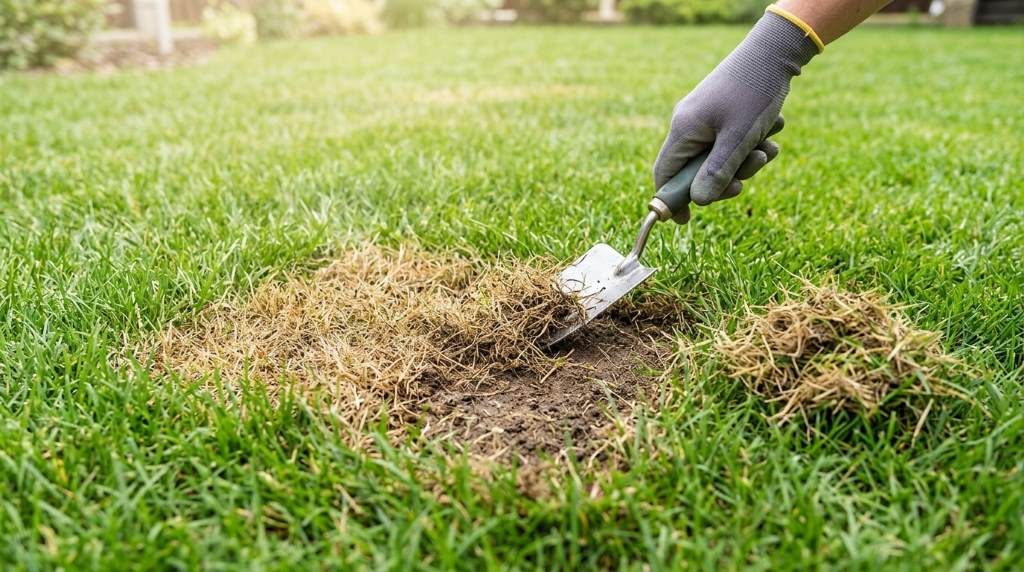
- Soil Prep: Remove thatch and aerate deeply. This maximizes root contact.
- Method: Use granular or liquid inoculants according to label rates.
- Follow-Up: Water lightly to settle fungi, then maintain regular irrigation.
- Organic Matter: Top-dress with compost to feed fungi and turf SPUN.
Real-World Success Stories
- Homeowner A: Cut irrigation by 40% and saw deeper root penetration within six weeks.
- Golf Course B: Adopted winter seeding with mycorrhizae. They reported 20% fewer disease outbreaks next spring.
- Residential Complex C: Reduced fertilizer expenses by 30% while achieving uniform turf color.
These examples showcase How Mycorrhizal Fungi Improve Lawn Growth Naturally through strategic adoption.
Expert Tips
- Rotate fungal species for diverse soil ecosystems.
- Pair inoculants with organic compost for synergistic effects.
- Avoid fungicides during establishment. They harm beneficial fungi.
- Test soil pH; maintain between 6.0 and 7.0 for optimal fungal activity.
- Reapply every 2–3 years for sustained benefits.
Overcoming Common Myths
- Myth: Only trees benefit from mycorrhizae.
Fact: Grass responds equally well to arbuscular mycorrhizae Mycorrhizal Products. - Myth: Fungi spread uncontrollably.
Fact: Inoculants colonize only root zones. They stay localized. - Myth: Instant green-up overnight.
Fact: Results appear within weeks as networks establish.
Measuring Success
Use these metrics to track progress:
- Root Depth: Core sampling reveals deeper roots.
- Turf Density: Visual evaluation or digital imaging apps.
- Soil Moisture: Probes show improved retention.
- Fertilizer Use: Document reduced application rates.
Deep Dive: Scientific Evidence
Research confirms up to 70% increase in root biomass under mycorrhizal colonization Mycorrhizal Products. University trials report a 25–30% boost in phosphorus uptake. Field studies highlight 50% longer survival in drought conditions Pennington Lawn & Garden Care Products. These figures powerfully validate How Mycorrhizal Fungi Improve Lawn Growth Naturally.
Sustainable Lawn Care Roadmap
- Test soil and amend pH.
- Aerate and dethatch.
- Apply mycorrhizal inoculant.
- Top-dress with organic compost.
- Water sensibly and mow high.
- Monitor turf health and adjust inputs.
Follow this map for a thriving, low-impact lawn.
Future Trends
Expect tailored fungal blends for turfgrass species. Digital apps will track fungal colonization. Biostimulant partnerships will merge beneficial bacteria and fungi. Stay ahead by adopting innovations early.
Read Also: Essential Lawn Maintenance Tools Every Homeowner Needs
Featured Snippet
Q: How quickly can mycorrhizal fungi enhance lawn growth?
A: You’ll often see richer green hues and stronger roots within 4–6 weeks after inoculation. Mycorrhizal fungi expand root absorptive area by up to 50%, boosting nutrient and water uptake fast Mycorrhizal Products. Within two months, lawns show enhanced drought resistance and improved soil structure, leading to deeper, more resilient turf Pennington Lawn & Garden Care Products.
Conclusion
You now grasp How Mycorrhizal Fungi Improve Lawn Growth Naturally. These underground allies amplify water, nutrients, and stress resilience. Embrace this eco-powerhouse for stunning, sustainable turf. Ditch harsh chemicals. Cultivate a greener, healthier lawn that thrives on nature’s brilliance.
FAQs
-
What lawn types benefit most?
Cool-season and warm-season grasses both thrive with arbuscular mycorrhizae.
-
Can I use mycorrhizae on potted turf?
Yes. Inoculate when transplanting sod into containers.
-
How often to reapply?
Reapply every 2–3 years or when renovating turf.
-
Do fungicides kill mycorrhizae?
Many fungicides harm beneficial fungi. Use selectively.
-
Can overfertilizing hinder fungi?
Excess phosphorus can reduce colonization rates. Test soil before application.
-
Is it safe for pets and kids?
Yes. Mycorrhizal fungi pose no risk to humans or animals.
-
Where to buy inoculants?
Find products at garden centers, online retailers, or local co-ops.
Experience the transformative power of mycorrhizal fungi. Take the first step today!
Read More: Guide to 7 Common Lawn Weeds: Identify, Control, and Prevent