

A thriving lawn doesn’t happen by chance—it takes strategy, timing, and seasonal care. This comprehensive guide provides a step-by-step seasonal lawn care plan backed by expert advice and proven techniques. Whether you’re dealing with cool-season grasses or warm-season turf, this year-round lawn maintenance guide helps you stay ahead of problems and grow the lush, vibrant lawn of your dreams.
Spring Lawn Care: Wake Your Lawn from Winter
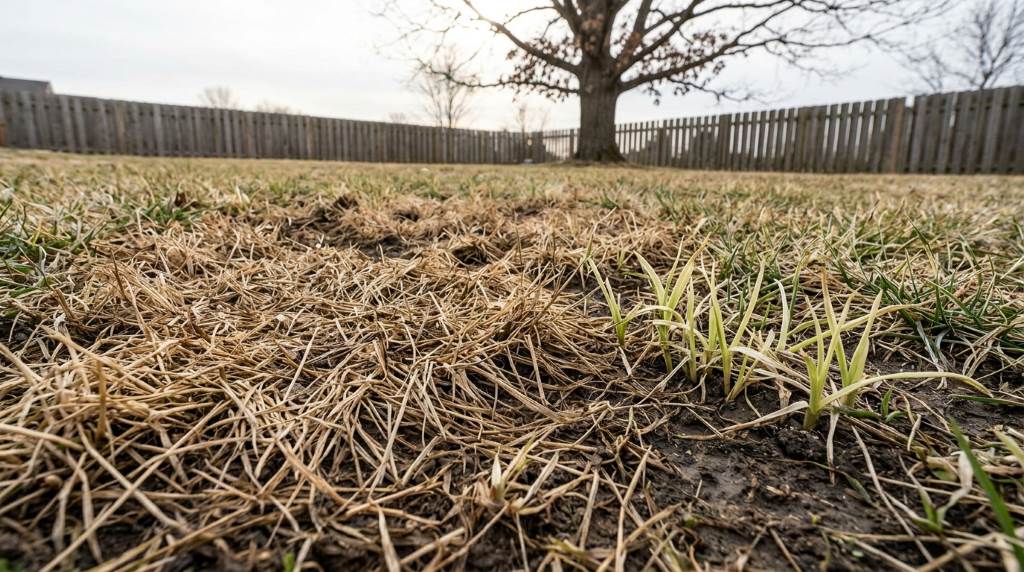
Spring is when your lawn starts to come back to life. Soil temperatures rise above 55°F, sparking new growth and weed activity. According to Scotts and Better Homes & Gardens, spring sets the tone for the year ahead.
-
Step 1: Rake and Remove Debris
Clear leaves, twigs, and dead grass. This reduces mold and lets new growth breathe.
-
Step 2: Test and Amend Soil
Use a soil test kit to check pH and nutrient levels. Lawns thrive at pH 6.0–7.0. Lime can raise pH; sulfur lowers it.
-
Step 3: Aerate if Needed
If your soil feels compacted, aerate to improve root penetration and nutrient uptake.
-
Step 4: Apply Pre-Emergent Weed Control
Stop crabgrass before it germinates. Use pre-emergent herbicides when soil hits 55°F for a few days in a row.
-
Step 5: Feed with Nitrogen-Rich Fertilizer
Choose a slow-release, nitrogen-heavy blend. Avoid over-fertilizing, which can burn your grass and promote weed growth.
Pro Tip: Early morning watering helps prevent disease and minimizes evaporation. Aim for one inch of water weekly.
Summer Lawn Care: Defend Against Heat and Drought
Summer heat stresses turf, inviting pests and diseases. Most lawn problems begin here, making prevention key.
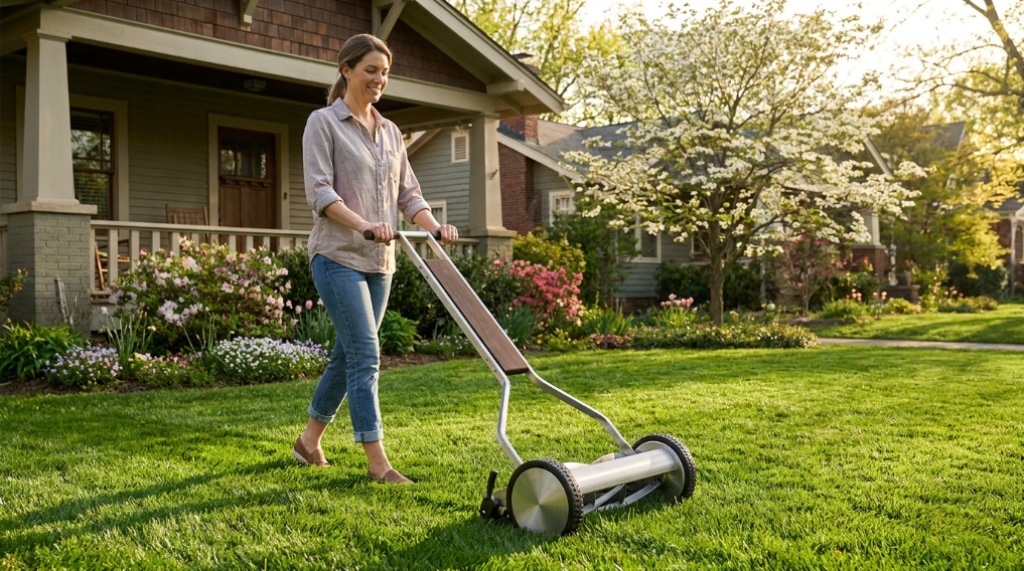
- Step 1: Mow High and Frequently
Keep grass blades taller (3–4 inches) to shade soil and prevent weed seeds from germinating. - Step 2: Water Deeply, Not Daily
Shallow watering encourages weak roots. Instead, water deeply 1–2 times per week. Use a rain gauge to monitor output. - Step 3: Control Grubs and Insects
Apply grub control in early summer. Japanese beetles lay eggs in mid-summer that hatch into lawn-eating grubs. - Step 4: Avoid Fertilizing in High Heat
Too much nitrogen in high temperatures can scorch your lawn. Instead, spot-treat weeds and let the grass rest. - Step 5: Monitor for Fungal Diseases
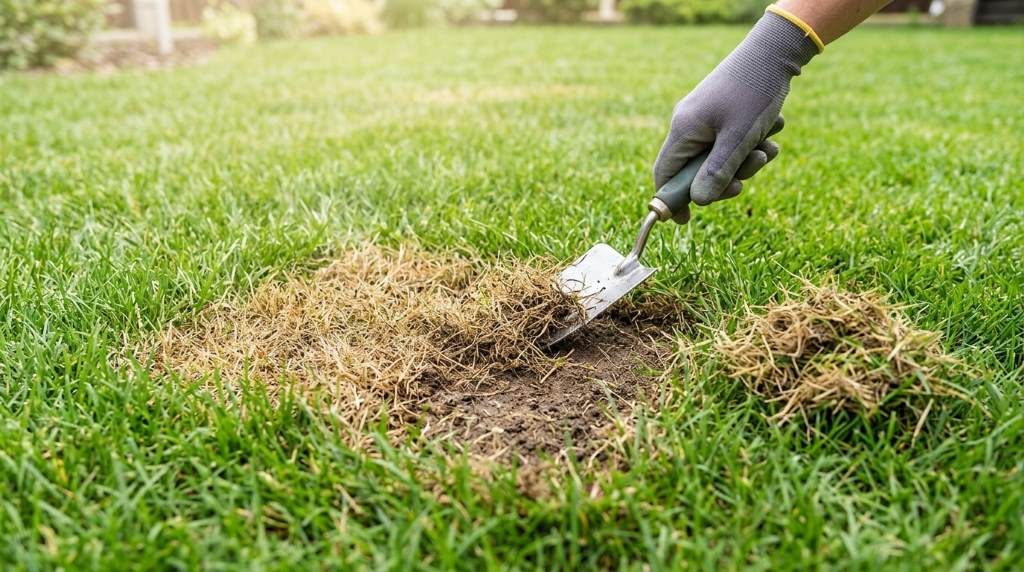
Brown patches or rings may signal fungus. Treat early with fungicides labeled for your grass type.
Expert Insight: According to TruGreen, adjusting your mower blades and sharpening them bi-weekly reduces turf stress by 30%.
Fall Lawn Care: Repair and Rebuild
Fall is the most crucial lawn care season. Your efforts here set the stage for strong spring growth.
- Step 1: Aerate Again (If Skipped in Spring)
Fall aeration relieves compaction and boosts root development before winter dormancy. - Step 2: Overseed Bare or Thin Spots
Use a high-quality seed that matches your grass type. Rake lightly after spreading and keep moist for 2–3 weeks. - Step 3: Apply a Nitrogen-Rich Fertilizer
Fall feeding encourages root growth and helps your lawn green up faster in spring. - Step 4: Continue Mowing
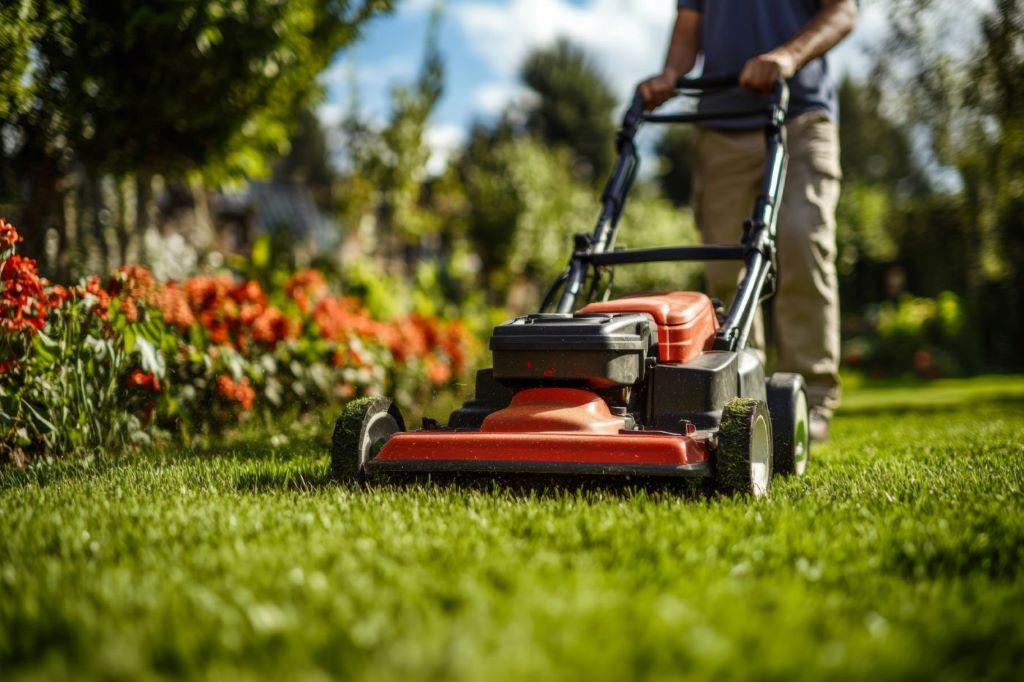
Cut until growth stops. Gradually lower the blade height to prevent matting and snow mold in winter. - Step 5: Mulch Leaves, Don’t Rake
Mulched leaves return nutrients to the soil and reduce landfill waste. Studies show this improves soil structure.
Review Note: Lawn experts from BHG rank fall fertilization as the #1 step for long-term lawn health.
Winter Lawn Care: Protect and Prepare
While your lawn may look dormant, what you do now prevents damage and speeds up spring revival.
- Step 1: Clear Heavy Debris and Snow Buildup
Branches, toys, and snow piles can smother and kill grass. Keep the lawn clean. - Step 2: Minimize Foot Traffic
Frozen turf is brittle. Repeated walking damages crowns and delays recovery. - Step 3: Prep Equipment for Spring
Sharpen mower blades, clean tools, and service your irrigation system. - Step 4: Plan Your Seasonal Strategy
Review last year’s successes and failures. Order seeds and schedule soil testing early. - Pro Tip: Use pet-safe ice melt around walkways to avoid chemical burns on your turf.
Lawn Care by Grass Type
Knowing your grass type determines timing and product selection. Cool-season grasses (like Kentucky bluegrass, fescue) thrive in spring and fall. Warm-season grasses (like Bermuda or zoysia) grow best in late spring through summer.
Cool-Season Tips:
-
Avoid fertilizing during summer.
-
Overseed in fall for best results.
-
Mow to 3 inches for disease resistance.
Warm-Season Tips:
-
Don’t overseed until late spring.
-
Apply pre-emergents early.
-
Maintain mowing height at 2–2.5 inches.
Common Mistakes to Avoid
-
Overwatering leads to fungus and shallow roots.
-
Ignoring soil health wastes money on fertilizers.
-
Using the wrong seed or fertilizer creates patchy results.
-
Improper mowing weakens your lawn over time.
Statistic: The National Association of Landscape Professionals says 81% of Americans believe having a well-maintained yard is important. However, 47% admit they don’t know what their lawn needs seasonally.
Featured Snippet:
How do I maintain my lawn all year round?
Maintaining your lawn year-round involves season-specific strategies: spring cleanup and pre-emergents, summer watering and mowing, fall fertilization and overseeding, and winter protection. Start with soil testing each year and follow tailored treatments based on grass type. For best results, fertilize during active growth periods and water deeply but infrequently. Aerate annually to prevent compaction and enhance root growth. Mow regularly, keeping blades sharp and height appropriate. Avoid heavy foot traffic during dormancy. A strategic, step-by-step approach prevents issues and keeps your lawn lush, green, and healthy.
Expert Lawn Care Tips
-
Rotate mowing patterns weekly to avoid soil compaction and ruts.
-
Track local frost dates to better time spring planting and fall overseeding.
-
Use smart irrigation systems to conserve water while keeping lawns hydrated.
-
Apply compost tea or organic mulch for a natural nutrient boost.
Frequently Asked Questions
1. When should I start spring lawn care?
Begin once snow melts and soil dries, typically when temps stay above 50°F.
2. How often should I fertilize my lawn?
Fertilize 2–4 times yearly based on grass type and product used.
3. Should I aerate every year?
Yes, especially for high-traffic lawns or clay-heavy soils.
4. What is the best mowing height?
Cool-season grass: 3–4 inches. Warm-season: 2–2.5 inches.
5. Can I seed and use weed killer together?
No, wait 4–6 weeks after using weed control before seeding.
6. Why does my lawn have brown spots?
Causes include drought, pests, disease, or pet urine. Diagnose before treating.
7. What’s the best time to water?
Early morning. Avoid night watering—it encourages fungal growth.
Conclusion
Following a step-by-step seasonal lawn care guide is the secret to a picture-perfect yard. Each season demands attention, precision, and the right tools. Don’t rely on guesswork—lean on proven strategies. With consistency, your lawn becomes more than just grass—it becomes a source of pride.
Read More:
Lawn Care Solutions for Common Grass Problems and How to Fix Them