

Maintaining a lush lawn in California’s diverse climate requires strategic care, especially amid frequent droughts and water restrictions. By understanding local conditions and implementing expert-backed practices, homeowners can cultivate vibrant, resilient gardens.
Understanding California’s Climate Challenges
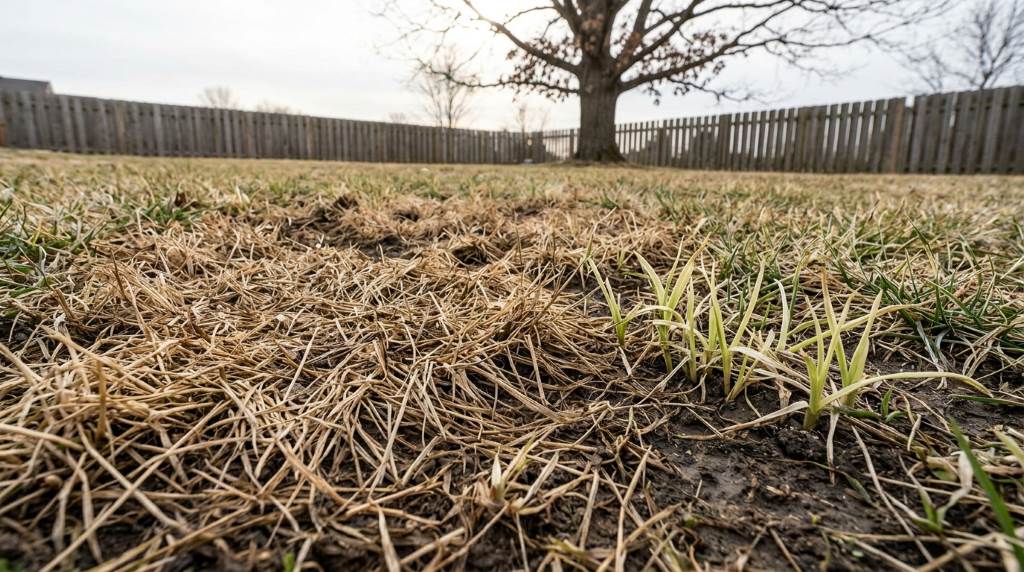
California’s Mediterranean climate features wet winters and dry summers, posing unique challenges for lawn maintenance. Extended drought periods and water limitations necessitate adaptive strategies to sustain healthy turf.
Selecting the Right Grass Varieties
Choosing drought-tolerant grass species is crucial. Warm-season grasses like Bermuda, Zoysia, and St. Augustine thrive in Southern California’s heat, while cool-season varieties such as tall fescue and ryegrass suit Northern regions. These selections require less water and exhibit greater resilience during dry spells.SodLawn
Efficient Watering Techniques
Overwatering not only wastes resources but also weakens grass roots. Implementing deep, infrequent watering encourages roots to grow deeper, enhancing drought resistance. Watering early in the morning minimizes evaporation, ensuring moisture reaches the roots effectively.
Mowing Practices for Optimal Health
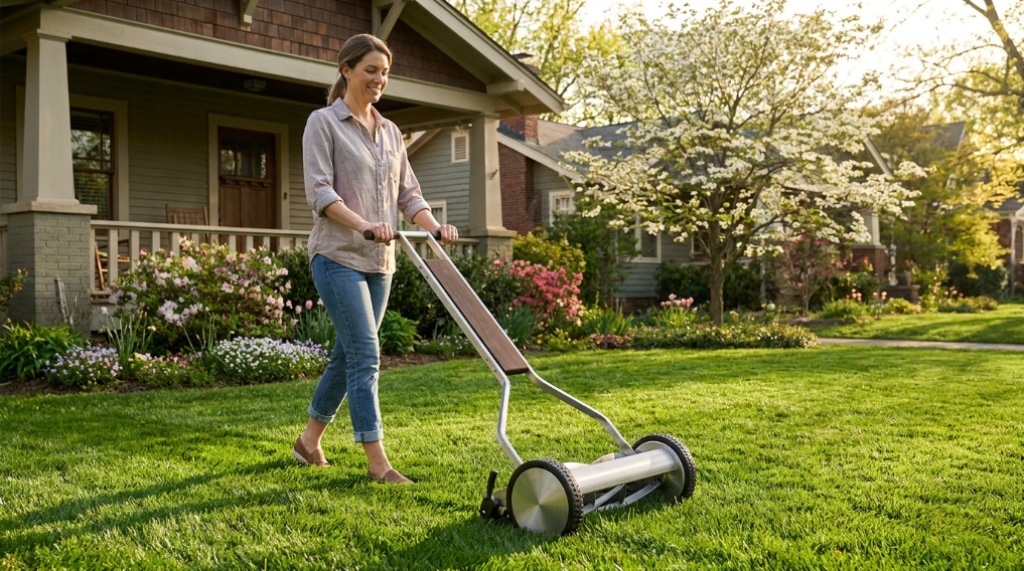
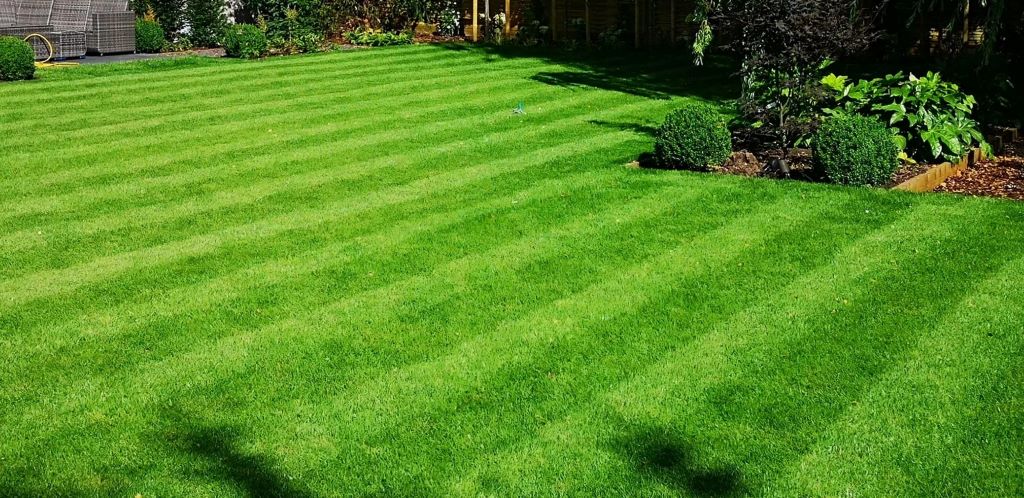
Proper mowing techniques significantly impact lawn vitality. Maintaining a higher grass height shades the soil, reducing evaporation and suppressing weed growth. Regularly changing mowing patterns prevents soil compaction and promotes uniform growth.

Soil Aeration and Health
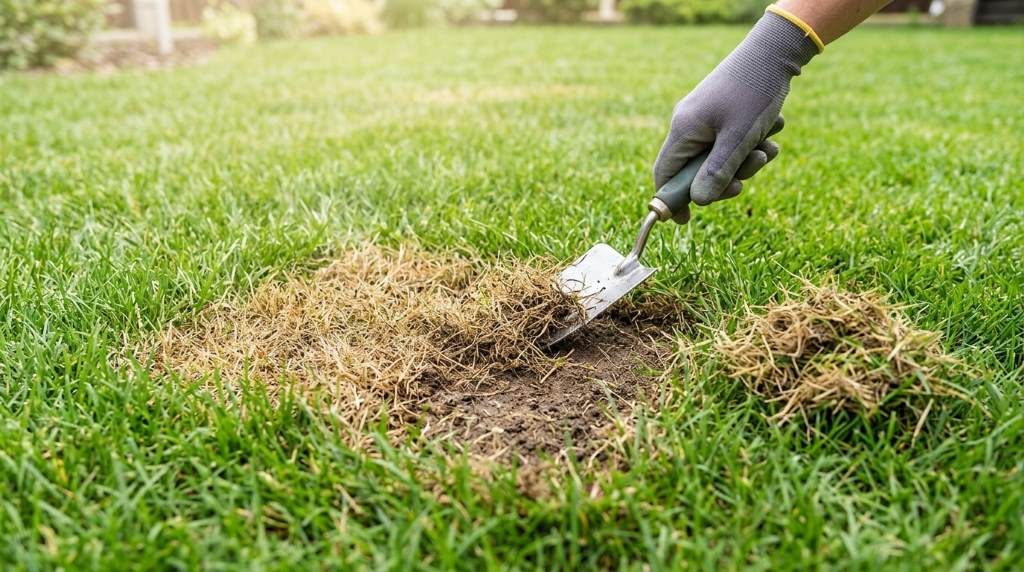
Aerating the lawn alleviates soil compaction, allowing air, water, and nutrients to penetrate deeper. This process fosters robust root systems, essential for enduring drought conditions. Incorporating organic matter like compost enhances soil structure and fertility.
Mulching Benefits
Applying mulch conserves soil moisture, regulates temperature, and suppresses weeds. Organic mulches, such as wood chips or compost, decompose over time, enriching the soil with nutrients. Leaving grass clippings on the lawn, a practice known as grasscycling, also returns valuable nutrients to the soil.
Weed and Pest Management
Weeds compete with grass for water and nutrients, while pests can damage turf health. Regular monitoring and prompt removal of weeds, along with integrated pest management strategies, help maintain lawn integrity.
Fertilization Strategies
Applying the right type and amount of fertilizer supports healthy growth. Using slow-release or organic fertilizers provides steady nutrient availability, reducing the risk of over-fertilization and subsequent water stress. Timing applications during active growth periods maximizes effectiveness.
Embracing Smart Irrigation Systems
Installing smart irrigation controllers adjusts watering schedules based on weather conditions, optimizing water use. Drip irrigation systems deliver water directly to the root zone, minimizing evaporation and runoff.
Considering Lawn Alternatives
In areas with severe water restrictions, replacing traditional lawns with drought-tolerant landscaping, such as native plants or artificial turf, can be a sustainable solution. These alternatives reduce water usage and maintenance requirements while providing aesthetic appeal.
Read More: How to Lay New Lawn: A Comprehensive Guide with Reviews, Solutions, and FAQs
Featured Snippet: How Can I Maintain a Green Lawn During California’s Drought?
Maintaining a green lawn during California’s drought involves selecting drought-resistant grass species, implementing deep and infrequent watering practices, and utilizing mulch to retain soil moisture. Aerating the soil enhances root development, while mowing at a higher setting reduces water loss. Incorporating smart irrigation systems ensures efficient water use, and considering lawn alternatives like native plant landscaping can offer sustainable solutions.
FAQs
Q1: What is the best time to water my lawn in California?
Early morning, between 5 a.m. and 9 a.m., is ideal to reduce evaporation and allow grass to absorb moisture effectively.
Q2: How often should I aerate my lawn?
Aerate at least once a year, preferably in the fall or spring, to alleviate soil compaction and promote healthy root growth.
Q3: Can I use grass clippings as mulch?
Yes, leaving grass clippings on the lawn (grasscycling) returns nutrients to the soil and helps retain moisture.
Q4: What mowing height is recommended during drought?
Maintain grass at a height of 2.5 to 3 inches to shade the soil and reduce evaporation.
Q5: Are there grass types that require less water?
Yes, drought-tolerant species like Bermuda, Zoysia, and tall fescue require less water and are well-suited for California’s climate.
Q6: How can I control weeds without chemicals?
Regular mowing, mulching, and manual removal are effective non-chemical methods to control weeds.
Q7: Is artificial turf a good alternative in California?
Artificial turf reduces water usage and maintenance, making it a viable option in drought-prone areas.
By adopting these expert lawn care practices, Californians can achieve and maintain thriving gardens that withstand the challenges of the state’s unique climate.
Read More: 9 Tips on Maintaining the Perfect Lawn Care