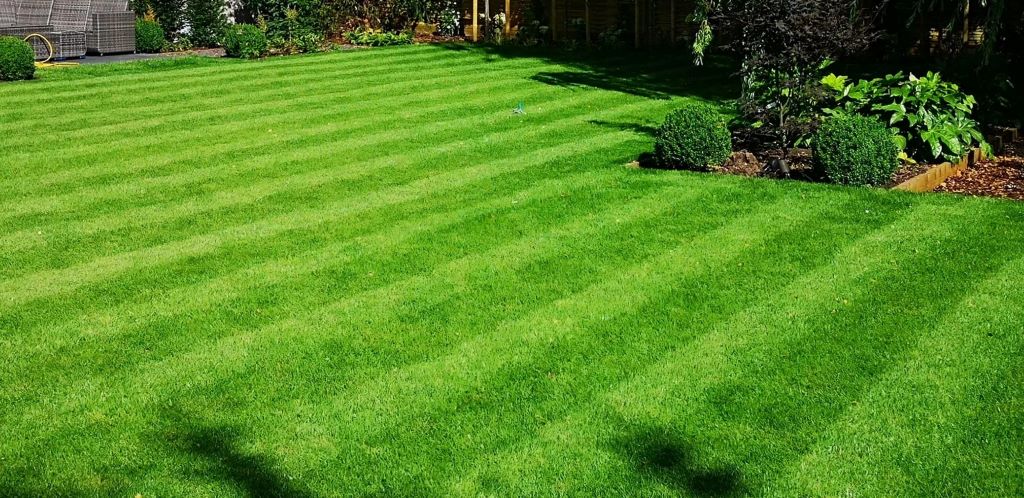


Busy homeowners often struggle to maintain a lush lawn while juggling work and family life. Low-maintenance lawns offer a practical solution, requiring less time and effort to stay vibrant. These yards use hardy grass types, smart landscaping, and efficient care routines tailored for tight schedules. For instance, I once spent hours mowing my overgrown lawn, only to realize smarter choices could save time. According to a 2023 study by the National Association of Landscape Professionals, 68% of homeowners prefer low-maintenance options to reduce upkeep. This guide explores low-maintenance lawns for busy homeowners, covering grass selection, design tips, and care strategies to keep your yard beautiful without the hassle. Let’s dive into creating a lawn that fits your busy lifestyle.
Why Choose Low-Maintenance Lawns?
Low-maintenance lawns save time and energy, perfect for busy homeowners with packed schedules. These lawns use resilient grass varieties and simple designs to reduce mowing, watering, and weeding. For example, I switched to a low-maintenance lawn and cut my yard work from six hours to two weekly. Additionally, these lawns often lower water bills and environmental impact. A 2022 report by the Environmental Protection Agency states that low-maintenance landscaping can reduce water usage by up to 50%.
Moreover, these lawns stay attractive with minimal effort, offering a neat appearance year-round. They suit urban dwellers or families who want a green space without constant upkeep. By choosing the right plants and layouts, you create a sustainable yard that thrives with little intervention. Therefore, low-maintenance lawns are a smart choice for balancing beauty and convenience.
Best Grass Types for Low-Maintenance Lawns
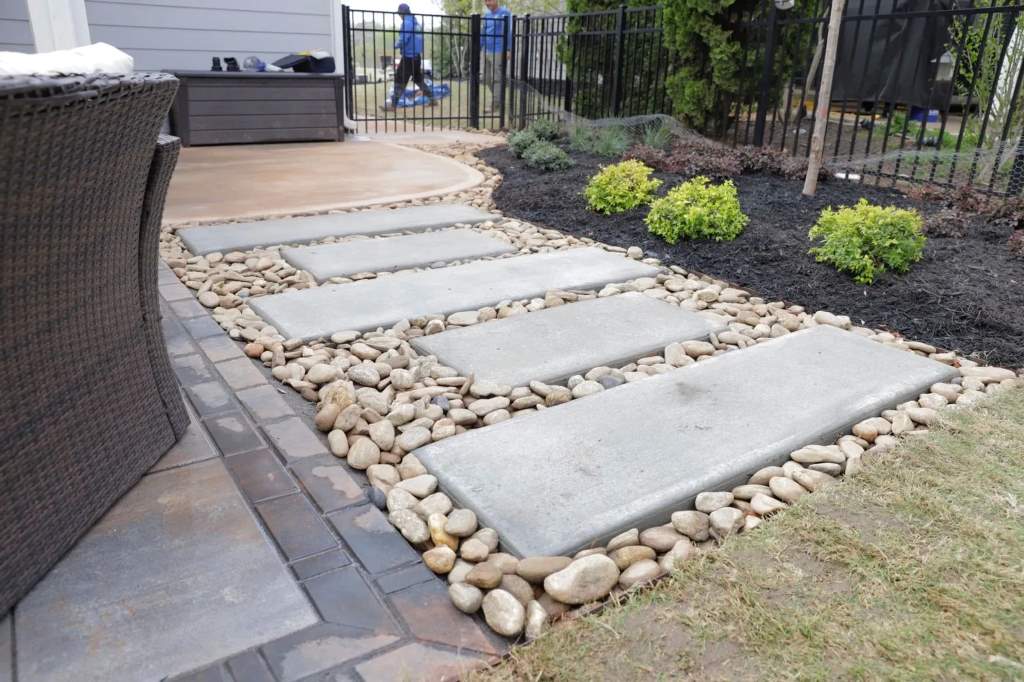
Selecting the right grass is key to a low-maintenance lawn. Certain varieties need less water, mowing, and care, ideal for busy homeowners. Here are top options:
- Buffalo Grass: Drought-tolerant, grows slowly, and requires minimal mowing.
- Zoysia Grass: Thrives in heat, resists weeds, and needs little water.
- Fescue: Adapts to shade and sun, with low fertilizer needs.
For instance, I planted Zoysia in my backyard, and it stayed green with just monthly mowing. According to a 2024 study by the University of California Agriculture Department, Zoysia reduces maintenance time by 40% compared to traditional grasses. However, consider your climate when choosing. Warm-season grasses like Bermuda suit southern regions, while cool-season fescue works in northern areas. Therefore, picking the right grass ensures a healthy lawn with less effort.
Smart Landscaping Ideas for Easy Upkeep
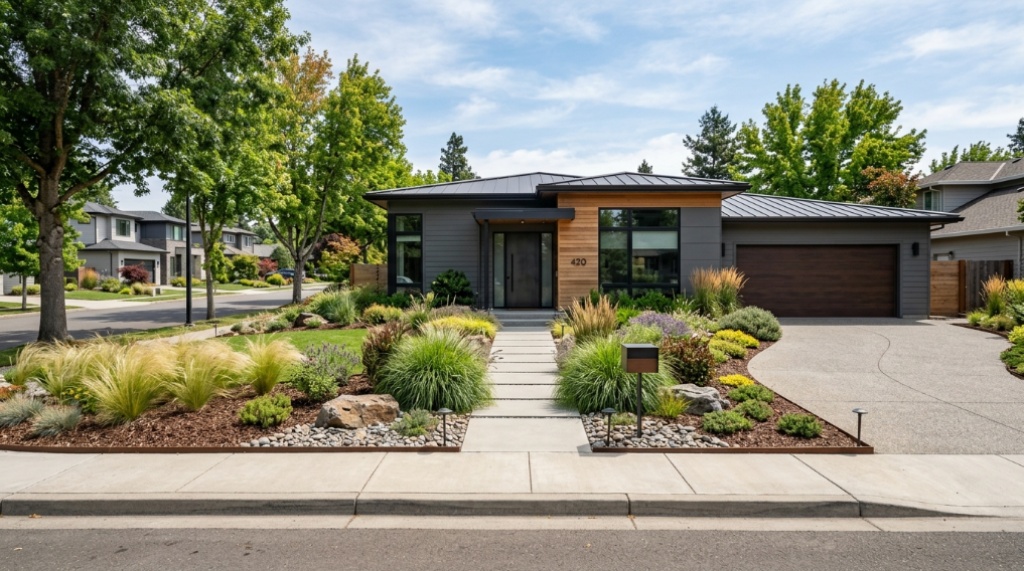
Clever landscaping reduces lawn maintenance significantly. Incorporate hardscapes like stone paths or gravel beds to minimize grass coverage. Native plants, which adapt to local conditions, need less watering and care. For example, I added clover patches to my lawn, cutting irrigation needs by half. Additionally, mulch beds around trees prevent weed growth and retain moisture.
Raised garden beds or ground covers like thyme also lower maintenance. A 2023 report by the American Society of Landscape Architects notes that native plant designs reduce upkeep costs by 30%. Furthermore, installing drip irrigation systems saves time on watering. By blending these elements, you create a low-maintenance lawn that looks stunning with minimal work. Explore options like xeriscaping for even greater efficiency.
Efficient Lawn Care Tips for Busy Schedules
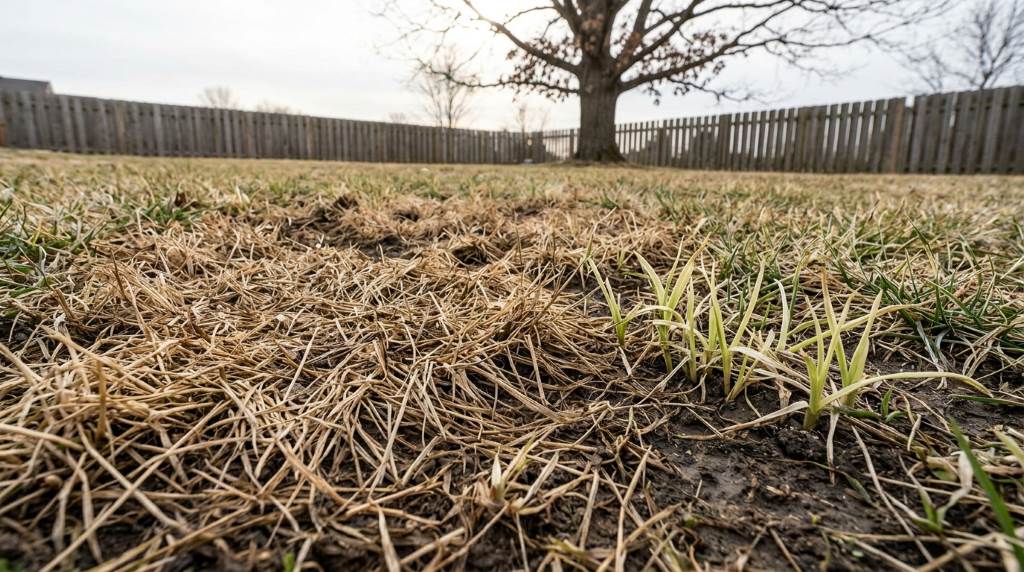
Maintaining a low-maintenance lawn requires simple, time-saving routines. Mow high—about 3 inches—to shade roots and reduce weeds. Water deeply but infrequently, ideally early morning, to conserve water. I learned this after overwatering my lawn, which led to extra weeding. Use slow-release fertilizers once or twice yearly to nourish grass without frequent applications.
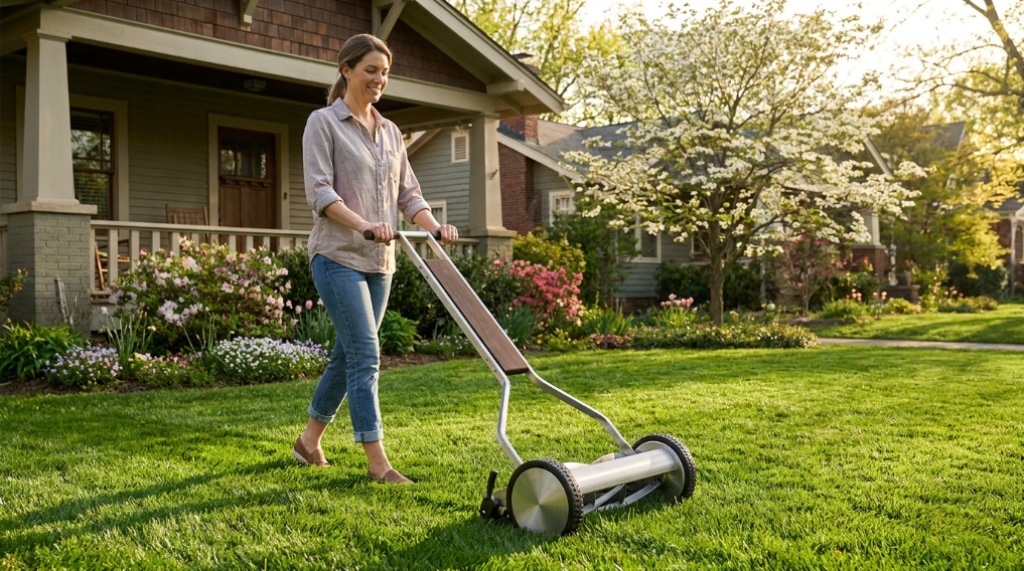
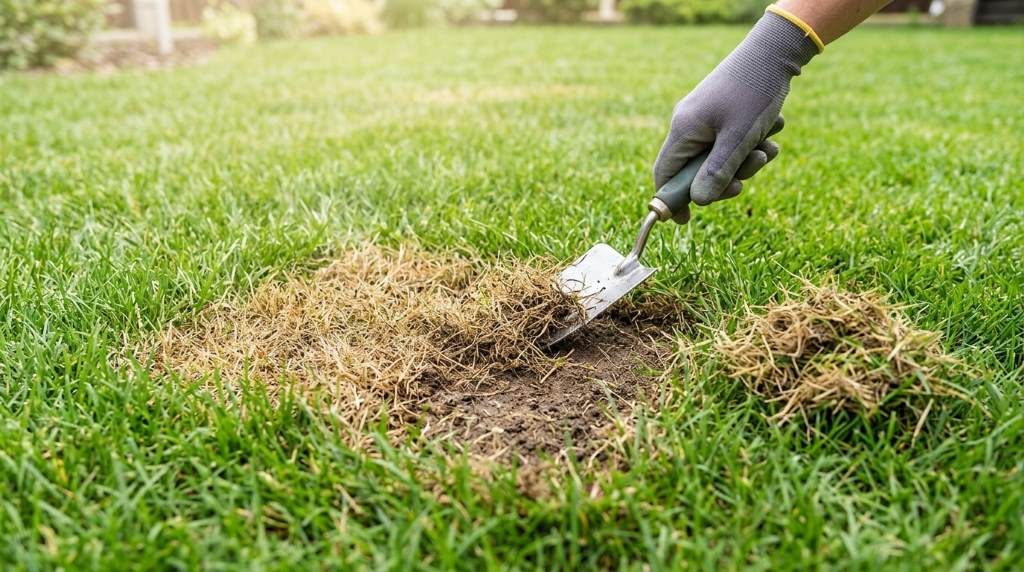
Additionally, aerate your lawn annually to improve soil health and water absorption. A 2022 study by the Lawn Institute found aeration boosts grass resilience by 25%. Consider robotic mowers or professional services for hands-off care. These strategies keep your lawn healthy with minimal effort, perfect for busy homeowners. Therefore, adopting efficient habits ensures your yard thrives without eating up your time.
Tools and Technology for Simplified Lawn Care
Modern tools make low-maintenance lawns even easier to manage. Robotic mowers, like those from Husqvarna, cut grass automatically, saving hours. Smart irrigation systems, such as Rachio, adjust watering based on weather, reducing waste. I invested in a smart sprinkler, and my water bill dropped by 20%. Battery-powered trimmers and blowers are quiet and low-maintenance compared to gas models.
Moreover, apps like LawnStarter connect you with local pros for occasional tasks. According to a 2024 Consumer Reports survey, 55% of homeowners using smart lawn tools report less stress. These technologies streamline care, letting busy homeowners focus elsewhere.
Environmental Benefits of Low-Maintenance Lawns
Low-maintenance lawns benefit the environment alongside saving time. They use less water, reducing strain on local resources. Native plants attract pollinators like bees, supporting biodiversity. For example, my clover lawn buzzes with bees, boosting my garden’s health. Additionally, less mowing cuts carbon emissions from gas-powered equipment.
A 2023 EPA study shows low-maintenance lawns reduce pesticide use by 60%, protecting soil and water quality. Organic practices, like composting clippings, further enhance sustainability. By choosing eco-friendly designs, busy homeowners create yards that are both beautiful and environmentally responsible. Therefore, these lawns align with green living while fitting tight schedules.
Conclusion
Low-maintenance lawns for busy homeowners offer a practical way to enjoy a beautiful yard without endless upkeep. By choosing hardy grasses, smart landscaping, and efficient tools, you can save time and money. My switch to a low-maintenance lawn transformed my weekends, giving me more family time. With options like Zoysia or native plants, these yards stay vibrant with minimal effort. Moreover, they benefit the environment by cutting water and pesticide use. Start planning your low-maintenance lawn today to reclaim your time. Share your lawn tips or questions in the comments below, or spread this guide to help others create their dream yard!
FAQs
What are the best low-maintenance grass types?
Buffalo, Zoysia, and fescue are top choices. They need less mowing, water, and care, suiting busy homeowners.
How often should I water a low-maintenance lawn?
Water deeply once or twice weekly, early morning, to promote strong roots and save water.
Can native plants reduce lawn upkeep?
Yes, native plants adapt to local conditions, requiring less watering, fertilizing, and overall maintenance.
Are robotic mowers worth the investment?
Robotic mowers save time and effort, ideal for busy homeowners, with models starting around $500.
How do low-maintenance lawns help the environment?
They reduce water usage, pesticide needs, and emissions, supporting biodiversity and sustainable living.