

Want a vibrant, green lawn that turns heads? Fertilizing, seeding, and more are key to achieving that dream yard. However, lawn care can feel overwhelming with endless questions about timing, products, and techniques. This guide answers your top concerns with practical, easy-to-follow advice. Whether you’re a beginner or a seasoned gardener, you’ll find tips to keep your lawn thriving. From choosing the right fertilizer to mastering overseeding, we cover it all. Let’s dive into fertilizing, seeding, and more to transform your lawn into a lush masterpiece!
Why Lawn Care Matters
A healthy lawn boosts curb appeal and provides a relaxing outdoor space. Proper fertilizing, seeding, and maintenance ensure your grass stays strong. Neglecting care leads to weeds, bare patches, and weak roots. According to a 2023 study by the National Association of Landscape Professionals, well-maintained lawns increase property value by up to 15%.
Additionally, regular care promotes environmental benefits like air purification and soil erosion control. My own lawn struggled with thin patches until I committed to a consistent care routine. Now, it’s a vibrant space my family loves. Start with small steps like fertilizing and seeding to see big results over time. Follow 9 Tips on Maintaining the Perfect Lawn Care.
When to Fertilize Your Lawn
Timing is critical for fertilizing. Apply fertilizer during active grass growth, typically spring and fall. Cool-season grasses like fescue thrive with early spring and late summer applications. Warm-season grasses like Bermuda prefer late spring and summer. Avoid fertilizing during extreme heat or dormancy to prevent burning.
Use a slow-release fertilizer for steady nutrient delivery. A soil test, available through local extension services, reveals nutrient deficiencies. For example, my lawn needed more nitrogen after testing. Follow product instructions to avoid over-fertilizing, which harms grass and pollutes waterways. Therefore, plan your fertilizing schedule based on grass type and local climate for optimal results.
Types of Fertilizers
- Granular: Easy to apply with a spreader, ideal for large lawns.
- Liquid: Fast-acting, great for quick nutrient boosts but requires frequent use.
- Organic: Eco-friendly, improves soil health but works slower.
How to Seed Your Lawn Effectively

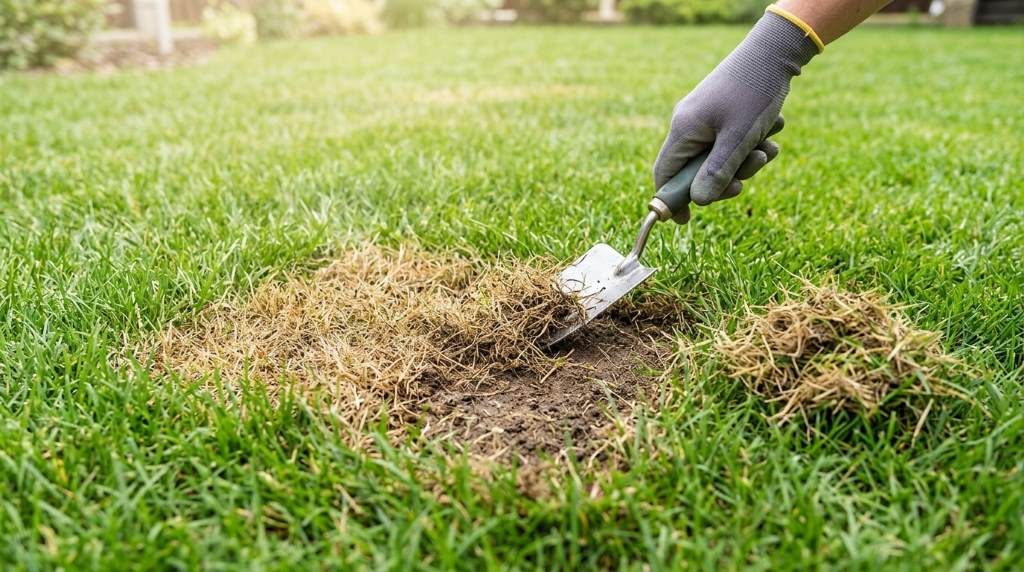
Seeding fills bare spots and thickens grass. Overseeding rejuvenates thinning lawns, while new seeding establishes fresh ones. Fall is ideal for cool-season grasses, as soil is warm and weeds are less competitive. Spring works for warm-season varieties. Prep your lawn by mowing low, raking debris, and aerating soil.
Choose seeds suited to your region and sun exposure. Spread evenly with a broadcast spreader, then lightly rake to ensure soil contact. Water daily to keep soil moist but not soggy. According to a 2024 University of Maryland study, proper seeding increases lawn density by 30% within six weeks. My first seeding attempt failed due to poor prep, but aeration made all the difference next time.
Seeding Tips
- Aerate first: Loosens soil for better seed rooting.
- Water consistently: Maintain moisture for 2–3 weeks post-seeding.
- Avoid heavy traffic: Protect new grass from foot traffic.
Aeration: The Secret to a Healthy Lawn
Aeration punches holes in soil to reduce compaction and improve nutrient absorption. It’s vital for lawns with heavy foot traffic or clay soils. Aerate in spring or fall when grass is actively growing. Use a core aerator to remove soil plugs, allowing air, water, and nutrients to reach roots.
Aeration boosts the effectiveness of fertilizing and seeding. A 2023 study by Turfgrass Science Journal found aerated lawns absorb 25% more nutrients than compacted ones. I noticed my lawn greened up faster after aerating before fertilizing. Rent an aerator from a local hardware store or hire a professional for larger yards. Regular aeration keeps your lawn resilient and lush.
Watering Wisely for Lawn Success
Watering supports fertilizing and seeding efforts. Most lawns need 1–1.5 inches of water weekly, including rainfall. Water early in the morning to reduce evaporation and fungal growth. Deep, infrequent watering encourages strong roots, while shallow daily watering weakens grass.
Use a rain gauge to track water amounts. Adjust based on weather and grass type. For instance, my lawn thrived after I switched to twice-weekly deep watering. Overwatering wastes resources and promotes weeds, so monitor soil moisture.
Weed Control Without Harm
Weeds compete with grass for nutrients, sunlight, and water. Prevent them by maintaining a dense lawn through proper fertilizing and seeding. Hand-pull small weeds or use spot treatments for persistent ones. Pre-emergent herbicides stop weed seeds from sprouting, while post-emergent ones target existing weeds.
Avoid blanket herbicide applications to protect beneficial plants and pollinators. My lawn once had dandelion issues, but consistent mowing and fertilizing reduced them naturally. Always read labels and apply chemicals sparingly. A thick lawn is your best defense against weeds.
Mowing Tips for a Perfect Lawn
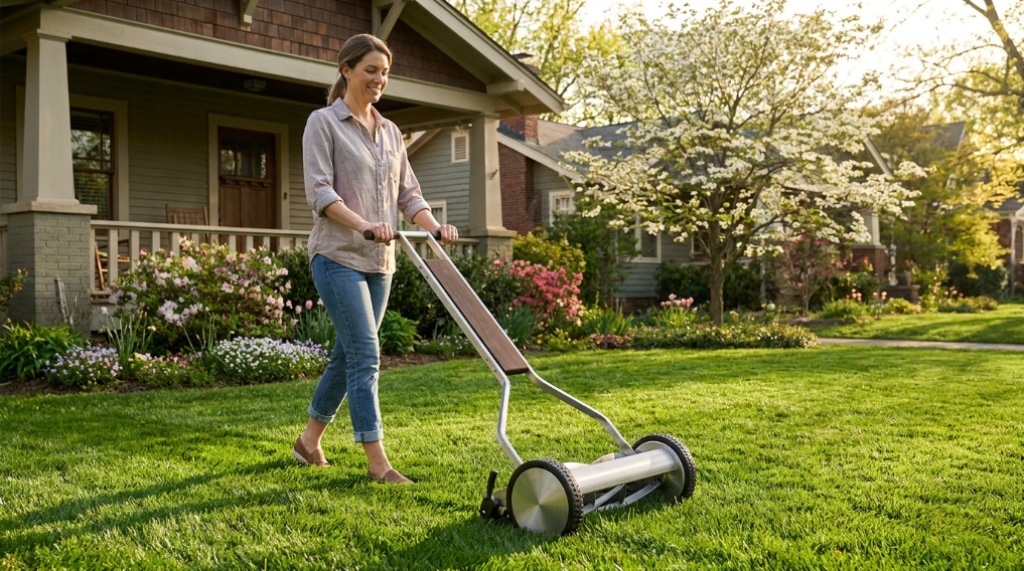
Mowing affects lawn health more than you might think. Set your mower blade to 2.5–3.5 inches, depending on grass type, to promote deep roots and shade out weeds. Never cut more than one-third of the grass height at once to avoid stress. Sharpen blades regularly for clean cuts.
Mow when grass is dry to prevent clumping. Alternate mowing patterns to avoid soil compaction. I learned this after years of mowing the same direction, which left ruts. Leave clippings on the lawn as a natural fertilizer, unless they’re too thick. Proper mowing complements fertilizing and seeding for a polished look.
Seasonal Lawn Care Checklist
Each season demands specific care to keep your lawn thriving. Spring focuses on fertilizing, seeding, and aeration. Summer requires consistent watering and weed control. Fall is prime for overseeding and preparing for dormancy. Winter involves minimal care, like clearing debris and avoiding foot traffic.
Create a calendar to track tasks. For example, I mark my calendar for fall overseeding to stay on schedule. Adjust based on your climate and grass type. A well-planned routine ensures fertilizing, seeding, and more are done at the right time, leading to a year-round healthy lawn.
Quick Seasonal Tips
- Spring: Test soil, fertilize, and seed bare spots.
- Summer: Water deeply, mow high, and spot-treat weeds.
- Fall: Overseed, aerate, and apply slow-release fertilizer.
Conclusion
Fertilizing, seeding, and more are essential for a stunning lawn. By timing your efforts, choosing the right products, and following a seasonal plan, you’ll achieve a lush, healthy yard. Regular care not only enhances beauty but also boosts property value and environmental benefits. Start small, stay consistent, and watch your lawn transform. Have questions about fertilizing, seeding, or other lawn care tasks? Share your thoughts in the comments or spread the word by sharing this guide with fellow lawn enthusiasts!
FAQs
When is the best time to fertilize my lawn?
Fertilize in spring and fall for cool-season grasses or late spring and summer for warm-season varieties. Avoid extreme heat or dormancy.
How often should I seed my lawn?
Overseed every 1–2 years to thicken grass. Seed new lawns or bare patches as needed, ideally in fall or spring.
What’s the benefit of aerating my lawn?
Aeration reduces soil compaction, improves nutrient absorption, and boosts the effectiveness of fertilizing and seeding.
How much water does my lawn need?
Lawns need 1–1.5 inches of water weekly. Water deeply 1–2 times per week, preferably in the morning.
How can I control weeds naturally?
Maintain a dense lawn with proper fertilizing and seeding. Hand-pull weeds or use eco-friendly spot treatments.