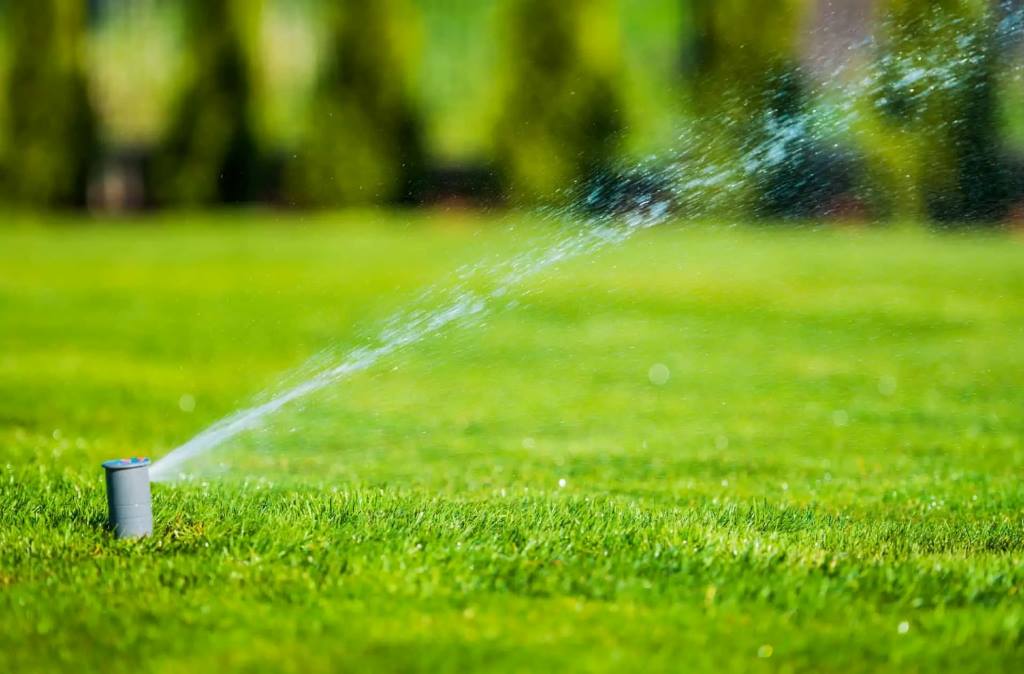

Picture this: a lush, green lawn that turns heads in your neighborhood, achieved without wasting time, money, or effort on outdated advice. Sounds dreamy, right? Yet, lawn care is riddled with myths that can lead even the most dedicated homeowner astray. From watering schedules to mowing heights, misinformation abounds, often making lawn maintenance harder than it needs to be. In this article, we’ll debunk common lawn care myths, provide evidence-based practices, and share practical tips to help you cultivate a healthy, vibrant lawn. Let’s separate fact from fiction and uncover what really works for lawn care success.
Myth 1: Watering Your Lawn at Night Saves Water
Many homeowners believe watering their lawn at night is efficient because it reduces evaporation. While it’s true that less water evaporates in cooler temperatures, nighttime watering can harm your grass. Excess moisture lingering on grass blades overnight creates a breeding ground for fungal diseases like brown patch or dollar spot.
What Really Works
Water your lawn early in the morning, ideally between 4 a.m. and 8 a.m. This timing allows water to soak into the soil before the day’s heat causes evaporation, while ensuring grass blades dry out during the day, reducing disease risk. Aim for about 1–1.5 inches of water per week, including rainfall, and use a rain gauge to measure. Deep, infrequent watering encourages stronger root systems compared to daily, shallow sprinkles.
Pro Tip: Invest in a smart sprinkler system that adjusts watering based on weather forecasts. This saves water and keeps your lawn healthy without guesswork.
Myth 2: Cutting Grass Short Means Less Mowing
Mowing your lawn to a buzz cut might seem like a time-saver, but scalping your grass weakens it. Short grass has less surface area for photosynthesis, leading to shallow roots and increased vulnerability to weeds, pests, and drought.
What Really Works
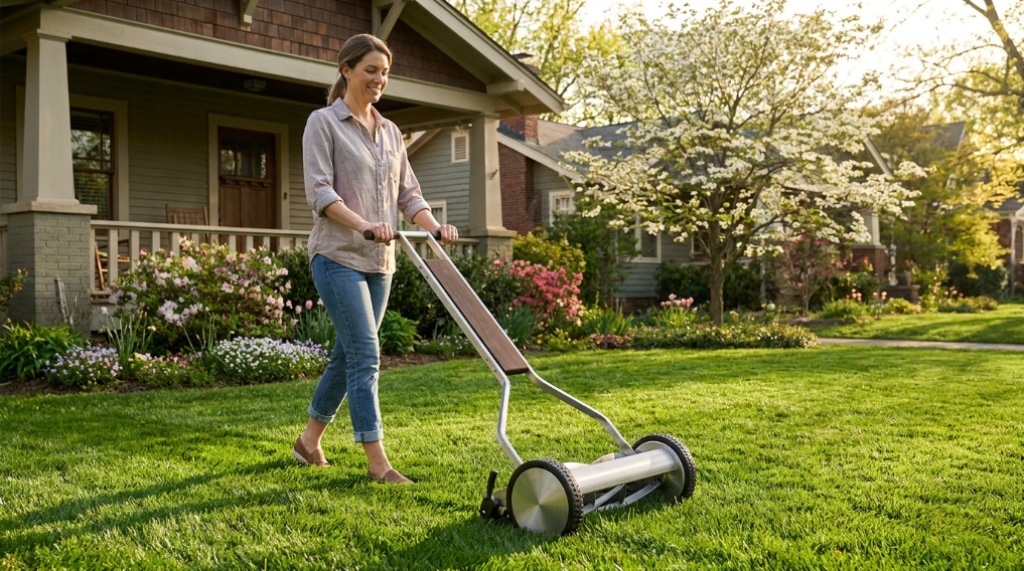
Follow the “one-third rule”: never remove more than one-third of the grass blade in a single mowing. For example, if your grass is 3 inches tall, cut no lower than 2 inches. Ideal mowing heights vary by grass type—cool-season grasses like Kentucky bluegrass thrive at 2.5–3.5 inches, while warm-season varieties like Bermuda prefer 1–2 inches. Taller grass shades the soil, reducing weed growth and retaining moisture.
Pro Tip: Keep your mower blades sharp to avoid tearing the grass, which can stress the lawn and make it susceptible to disease. Mow when the grass is dry to prevent clumping and uneven cuts.
Myth 3: Fertilizer Is Always the Answer to a Lush Lawn
Dumping fertilizer on your lawn might seem like a quick fix for patchy or yellowing grass, but over-fertilizing can do more harm than good. Excess nitrogen can burn grass, pollute waterways, and promote rapid growth that weakens the plant.
What Really Works
Test your soil first to determine nutrient deficiencies. A soil test kit, available at garden centers or through local extension services, reveals pH levels and nutrient needs. Apply fertilizer based on your grass type and soil results—typically, cool-season grasses need fertilizing in spring and fall, while warm-season grasses benefit from summer applications. Use slow-release fertilizers to provide steady nutrients and avoid overuse.
Pro Tip: Consider organic options like compost or grass clippings (left on the lawn) to naturally enrich soil without the risk of chemical runoff.
Myth 4: All Weeds Require Harsh Chemicals
The knee-jerk reaction to weeds is often to reach for a chemical herbicide, but this isn’t always necessary or environmentally friendly. Overuse of chemicals can harm beneficial insects, pets, and even your grass.
What Really Works
Prevention is key. A dense, healthy lawn naturally crowds out weeds, so focus on proper mowing, watering, and fertilization. For existing weeds, spot-treat with targeted herbicides or use natural alternatives like vinegar-based solutions for small patches. Hand-pulling weeds like dandelions or crabgrass is effective if done before they seed. Aerating your lawn annually also reduces soil compaction, making it harder for weeds to take root.
Pro Tip: Overseed your lawn with grass varieties suited to your region to create a thicker turf that outcompetes weeds.
Myth 5: More Water Equals a Healthier Lawn
It’s tempting to think that more water will lead to a greener lawn, but overwatering is a common mistake. Too much water can drown roots, leach nutrients, and encourage diseases like root rot.
What Really Works
Stick to the 1–1.5 inches of water per week rule, adjusting for rainfall. Check your soil’s drainage—sandy soils need more frequent but lighter watering, while clay soils retain water longer, requiring less frequent irrigation. Use a screwdriver to test soil moisture: if it slides in easily 6 inches deep, your lawn is adequately watered.
Pro Tip: Look for signs of overwatering, like soggy soil or mushrooms, and adjust your sprinkler schedule accordingly.
Myth 6: You Don’t Need to Aerate Unless Your Lawn Looks Bad
Aeration—poking holes in the soil to relieve compaction—might seem like an extra chore, but skipping it can stunt your lawn’s growth. Compacted soil prevents air, water, and nutrients from reaching grass roots.
What Really Works
Aerate your lawn annually, especially in high-traffic areas or heavy clay soils. Spring or fall is ideal for cool-season grasses, while late spring works for warm-season varieties. Use a core aerator to remove small plugs of soil, allowing better nutrient absorption. Follow aeration with overseeding or fertilizing to maximize benefits.
Pro Tip: Rent a core aerator from a hardware store for large lawns, or use a manual aerator for smaller areas to save costs.
Myth 7: Grass Clippings Cause Thatch Buildup
Leaving grass clippings on the lawn is often blamed for thatch—a layer of dead grass and roots that suffocates the lawn. However, clippings are not the primary culprit.
What Really Works
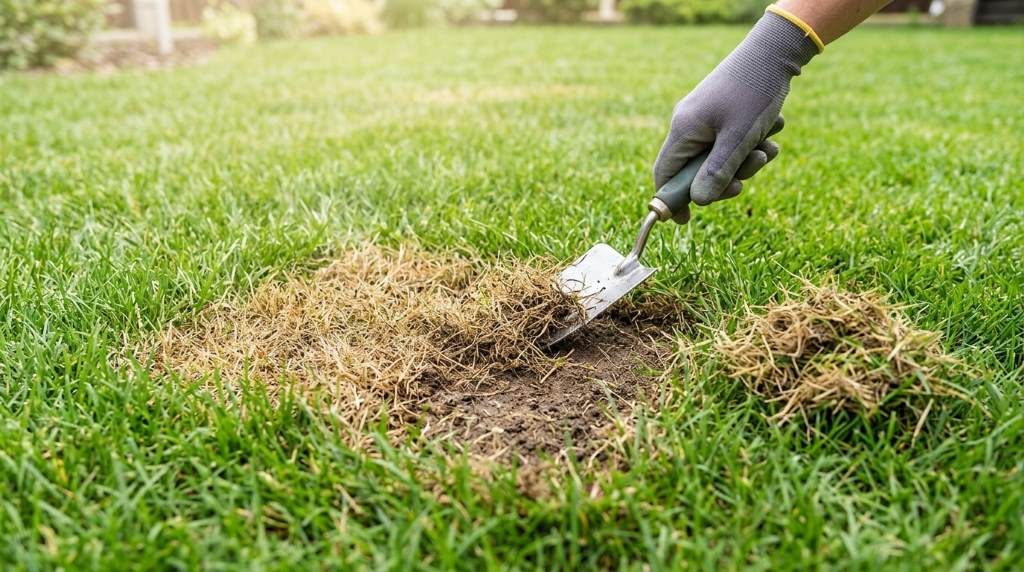
Grass clippings, when left on the lawn, break down quickly and return valuable nitrogen to the soil. Thatch is caused by excessive dead roots and stems, often from over-fertilization or poor soil health. Mow regularly and avoid cutting more than one-third of the grass to prevent excessive clippings. If thatch exceeds half an inch, dethatch with a rake or machine in early spring or fall.
Pro Tip: Use a mulching mower to finely chop clippings, helping them decompose faster and nourish your lawn.
Myth 8: Any Lawn Care Product Works for All Lawns
The one-size-fits-all approach to lawn care products—whether fertilizers, weed killers, or grass seed—rarely works. Different grass types, climates, and soil conditions require tailored solutions.
What Really Works
Research your grass type (e.g., fescue, zoysia, or ryegrass) and local climate to choose appropriate products. For example, drought-tolerant grasses like buffalo grass need less water and fertilizer than water-hungry Kentucky bluegrass. Check product labels for compatibility with your lawn’s needs and avoid generic “all-purpose” solutions that may not address specific issues.
Pro Tip: Consult your local cooperative extension service for region-specific advice on grass varieties and care products.
Myth 9: You Can Ignore Your Lawn in Winter
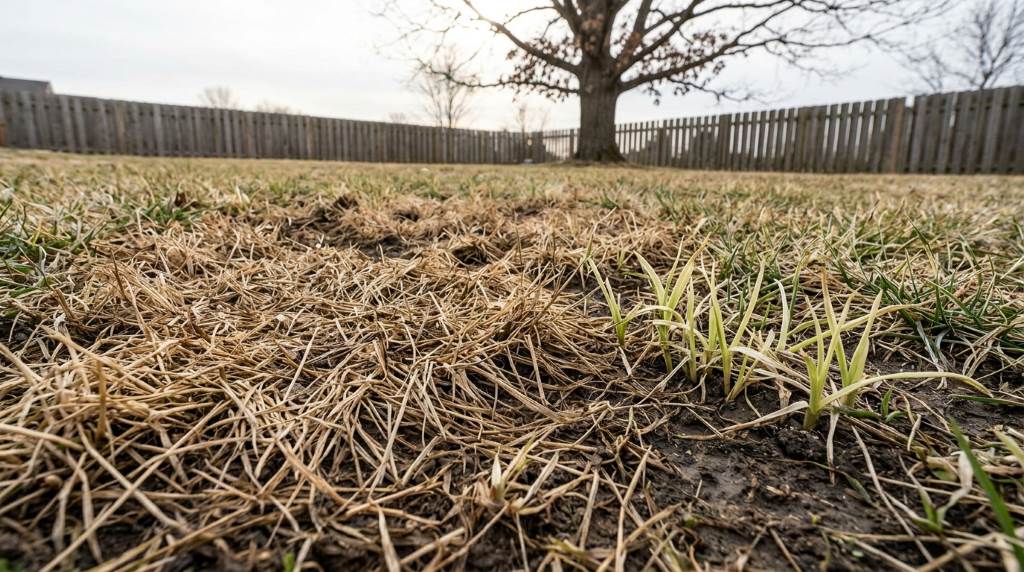
Some homeowners assume their lawn goes dormant in winter and needs no care. While grass growth slows, neglecting it can lead to problems come spring.
What Really Works
Prepare your lawn for winter by giving it a final mow at a slightly lower height, clearing leaves to prevent mold, and applying a fall fertilizer to strengthen roots. Avoid walking on frozen or wet grass to prevent compaction and damage. In milder climates, warm-season grasses may need occasional watering during dry spells.
Pro Tip: Sharpen mower blades and clean equipment before storing for winter to ensure they’re ready for spring.
Read Also: How to Make DIY Sticky Traps for Monitoring Whiteflies
Reel Mower vs. Rotary Mower: Best Choice for Bermuda Grass
Conclusion: Take Control of Your Lawn with Facts, Not Myths
Achieving a healthy, vibrant lawn doesn’t require falling for outdated myths or quick fixes. By focusing on evidence-based practices—like proper watering, mowing, fertilizing, and aerating—you can create a lawn that’s the envy of your neighborhood. Start by assessing your lawn’s specific needs, testing your soil, and choosing the right products for your grass type and climate. Small, consistent efforts based on facts will yield better results than chasing myths.
Ready to transform your lawn? Share your biggest lawn care challenge in the comments below, and let’s discuss tailored solutions to make your yard thrive! For more expert tips, subscribe to our blog or contact your local garden center for personalized advice.