
Bermuda grass lawns thrive with proper care, and choosing the right mower is key. Reel mowers and rotary mowers each offer unique benefits for maintaining this tough, fast-growing grass. This guide explores their differences, helping you decide which suits your lawn best. Whether you aim for a golf-course look or a low-maintenance yard, understanding these tools is essential. We’ll dive into how each mower performs on Bermuda grass, backed by research and personal insights. Ready to elevate your lawn care? Let’s compare reel mowers and rotary mowers to find the perfect fit.
Understanding Bermuda Grass Mowing Needs
Bermuda grass, a warm-season turf, grows fast and low, typically needing cuts at 0.5–1.5 inches. Its coarse texture demands sharp blades for a clean cut, avoiding stress or disease. Frequent mowing, every 5–7 days, prevents thatch buildup and promotes dense growth. According to a 2023 study by the University of Florida, proper mowing height enhances Bermuda grass health by 20% compared to inconsistent cuts (https://edis.ifas.ufl.edu/publication/LH010).
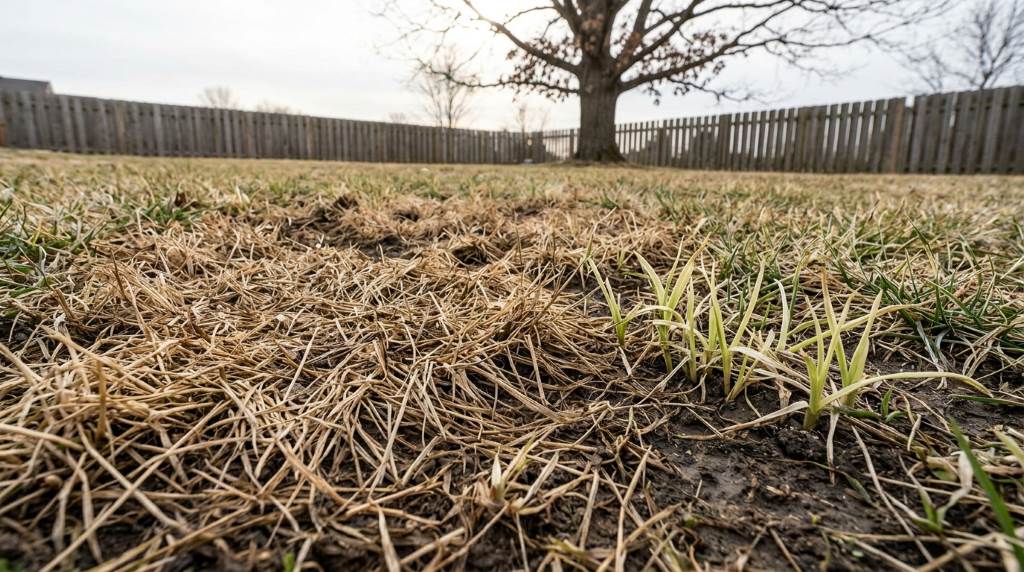
My neighbor struggled with patchy Bermuda grass until switching to a consistent mowing schedule. The right mower ensures even cuts, especially on uneven terrain. Reel mowers excel at low heights, while rotary mowers handle taller grass. Your lawn’s size, terrain, and maintenance goals shape the choice. Let’s explore how each mower meets these needs.
Reel Mowers: Precision Cutting for Bermuda Grass
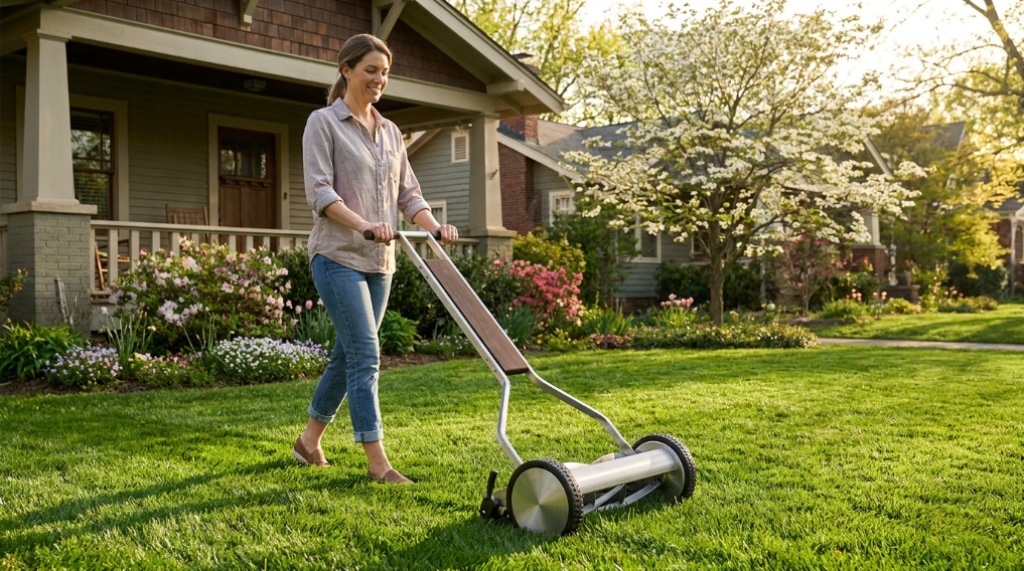
Reel mowers use a scissor-like action, with 4–11 blades spinning vertically against a fixed bedknife. This design delivers a clean, precise cut, ideal for Bermuda grass kept below 1 inch. They’re perfect for flat, well-maintained lawns, like golf courses, where aesthetics matter. A 2024 Michigan State University study found reel mowers reduce grass stress by 15% compared to rotary mowers (https://archive.lib.msu.edu/tic/ressum/2024.pdf).
However, reel mowers struggle with tall grass or debris like twigs, requiring frequent maintenance to keep blades sharp. Manual models demand physical effort, which can be taxing on large lawns. For my small Bermuda lawn, a manual reel mower gave a crisp, carpet-like finish, but I had to mow twice weekly to avoid clogs. They’re eco-friendly, producing no emissions, but need regular upkeep for optimal performance.
Rotary Mowers: Versatile Option for Diverse Lawns
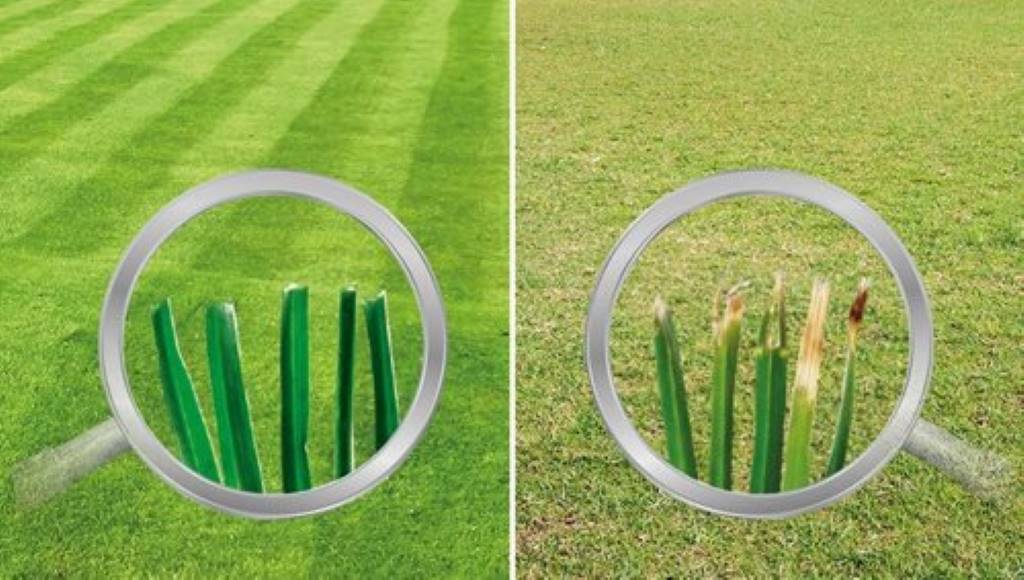
Rotary mowers feature a single blade spinning horizontally, slicing grass like a machete. They’re versatile, handling taller Bermuda grass (1–3 inches) and uneven terrain with ease. Their motorized options, gas or electric, reduce physical strain, making them ideal for larger lawns. They cut through debris like sticks, unlike reel mowers, but dull blades can tear grass, increasing disease risk.
I once used a rotary mower on my Bermuda lawn during a busy summer. It handled overgrown patches well, but dull blades left ragged tips, causing brown spots. Regular sharpening fixed this. Rotary mowers are user-friendly, with adjustable heights, but they’re louder and less eco-friendly. For homeowners prioritizing ease over precision, they’re a practical choice.
Comparing Cutting Mechanisms and Lawn Health
Reel mowers cut like scissors, minimizing grass damage and promoting healthier Bermuda grass. Their clean cuts reduce water loss and disease susceptibility. Rotary mowers, if blades are dull, tear grass, leading to brown tips. A sharp rotary blade, however, can rival reel mowers for lawn health.
Reel mowers excel at low cuts, ideal for Bermuda’s short growth, but struggle with grass over 4 inches. Rotary mowers handle varied heights and conditions, making them forgiving for inconsistent mowing. For my lawn, switching to a reel mower improved its lushness, but rotary mowers were easier for quick cuts. Choose based on your mowing frequency and desired lawn look.
Pros and Cons of Reel Mowers for Bermuda Grass
Reel mowers shine for Bermuda grass, but they have limitations. Here’s a breakdown:
- Pros:
- Clean, scissor-like cut promotes lawn health.
- Ideal for low heights (0.5–1.5 inches).
- Eco-friendly, with no emissions for manual models.
- Quiet operation, neighbor-friendly.
- Cons:
- Struggles with tall grass or debris.
- Manual models require physical effort.
- Frequent maintenance for blade sharpness.
- Less effective on uneven terrain.
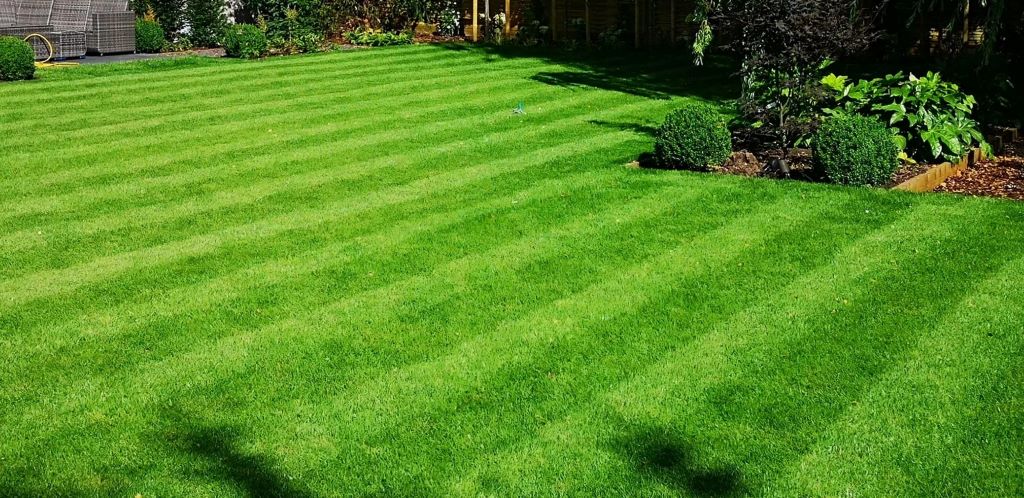
For small, flat Bermuda lawns, reel mowers deliver unmatched precision. Yet, their need for regular mowing and upkeep can be a drawback for busy homeowners.
Pros and Cons of Rotary Mowers for Bermuda Grass
Rotary mowers offer versatility but come with trade-offs. Here’s a look:
- Pros:
- Handles taller grass and debris effectively.
- Motorized options reduce physical effort.
- Adjustable heights for varied lawn needs.
- Suitable for larger or uneven lawns.
- Cons:
- Dull blades tear grass, risking disease.
- Noisier and less eco-friendly.
- Less precise cuts compared to reel mowers.
- Higher maintenance for gas models.
Rotary mowers suit homeowners with diverse lawn conditions or less frequent mowing schedules. Keeping blades sharp is crucial for healthy Bermuda grass.
Maintenance Requirements for Both Mowers
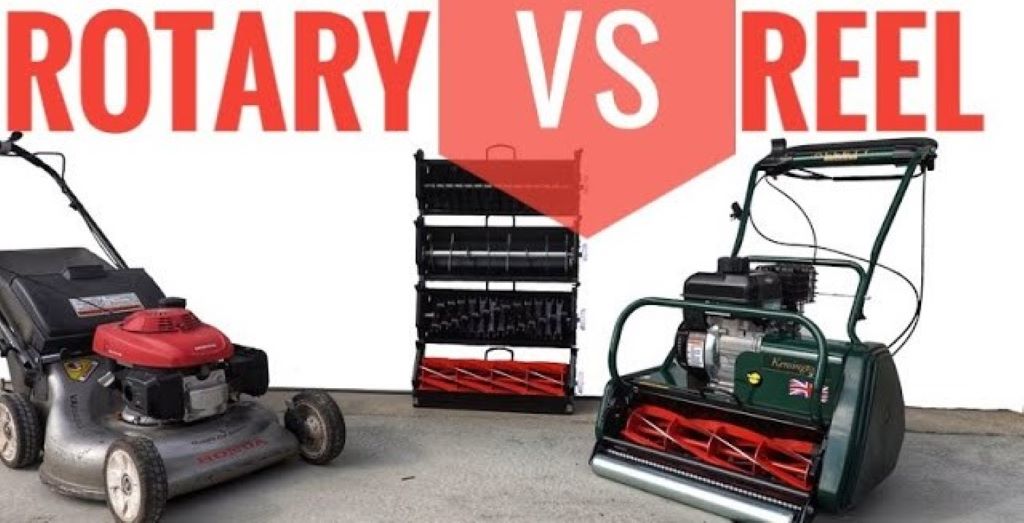
Reel mowers need regular blade sharpening and bedknife adjustments to maintain their scissor-like cut. Manual models require less mechanical upkeep but demand physical effort. Gas-powered reel mowers need oil changes and spark plug replacements, similar to rotary mowers.
Rotary mowers require blade sharpening every season and, for gas models, annual maintenance like air filter cleaning. Electric rotary mowers are low-maintenance but need battery care. I found reel mower upkeep more time-consuming but worth it for the clean cut on my Bermuda lawn. Both mowers perform best with routine care, ensuring longevity and healthy grass.
Choosing Based on Lawn Size and Terrain
Lawn size and terrain heavily influence mower choice. Reel mowers suit small, flat lawns (up to 10,000 square feet) where precision matters. Their low cutting height enhances Bermuda grass’s carpet-like look. However, they struggle on bumpy or debris-filled lawns, requiring frequent cleanups.
Rotary mowers excel on larger or uneven lawns, handling slopes and obstacles with ease. For my half-acre Bermuda lawn with slight dips, a rotary mower was more practical. Consider your lawn’s size and condition: reel for manicured, small yards; rotary for rugged, expansive ones.
Environmental Impact and Cost Considerations
Reel mowers, especially manual ones, produce zero emissions, making them eco-friendly. Gas-powered rotary mowers contribute to air pollution, with the EPA noting lawn equipment accounts for 5% of U.S. air pollution (https://www.epa.gov/newsreleases/epa-releases-report-air-emissions-lawn-and-garden-equipment). Electric rotary mowers are greener but rely on battery production.
Manual reel mowers cost $100–$300, while gas-powered ones range from $1,000–$10,000. Rotary mowers start at $150 for electric models, with gas models up to $500. My manual reel mower saved on fuel costs but required more time. Factor in long-term costs and environmental priorities when choosing.
Tips for Mowing Bermuda Grass Effectively
To keep your Bermuda lawn thriving, follow these tips:
- Mow every 5–7 days during peak growth to maintain 1–1.5 inches.
- Never cut more than one-third of the grass blade to avoid stress.
- Keep blades sharp for clean cuts, reducing disease risk.
- Alternate mowing patterns to prevent soil compaction.
- Mow when grass is dry to avoid clogs and uneven cuts.
- Leave clippings on the lawn to recycle nutrients.
I learned the hard way that skipping weekly cuts led to patchy Bermuda grass. Consistent mowing transformed my lawn into a lush carpet.
Common Mistakes to Avoid with Bermuda Grass
Avoid these pitfalls for a healthy Bermuda lawn:
- Cutting too short (scalping) causes brown patches.
- Using dull blades tears grass, inviting disease.
- Mowing wet grass leads to uneven cuts and clogs.
- Sticking to one mowing pattern compacts soil.
- Ignoring debris like twigs damages reel mowers.
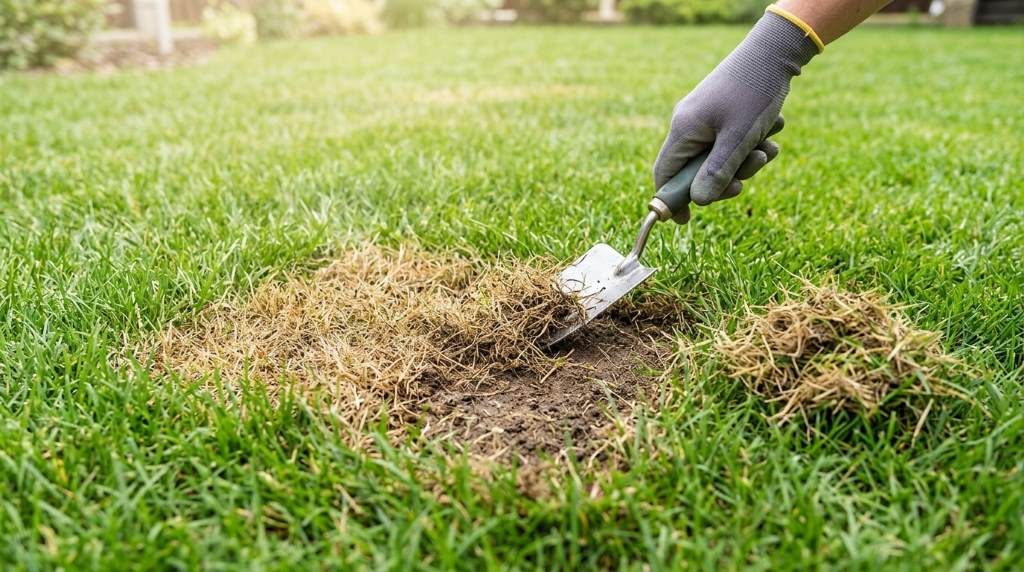
I once scalped my lawn with a rotary mower, leaving it brown for weeks. Regular blade sharpening and debris removal fixed this. Stay vigilant to keep your lawn vibrant.
Conclusion
Reel mowers and rotary mowers both have strengths for Bermuda grass care. Reel mowers offer precision and eco-friendly cuts, perfect for small, flat lawns aiming for a golf-course aesthetic. Rotary mowers provide versatility and ease, ideal for larger or uneven yards. Your choice depends on lawn size, terrain, and maintenance commitment. For my Bermuda lawn, a reel mower gave stunning results, but rotary mowers saved time on busier weeks. Evaluate your needs and try both if possible. Share your mowing experiences in the comments or spread this guide to help others choose wisely!
FAQs
Why is a reel mower better for Bermuda grass?
Reel mowers provide a scissor-like cut, reducing grass stress and promoting health, ideal for Bermuda’s low height.
Can rotary mowers work for Bermuda grass?
Yes, rotary mowers work if blades are sharp, but they’re less precise and better for taller grass or uneven terrain.
How often should I mow Bermuda grass?
Mow every 5–7 days during peak growth, keeping grass at 1–1.5 inches to prevent thatch and promote density.
Are reel mowers hard to maintain?
Reel mowers require regular blade sharpening and bedknife adjustments, which can be time-consuming but ensure clean cuts.
Which mower is more eco-friendly?
Manual reel mowers are eco-friendly with zero emissions, while rotary mowers, especially gas-powered, contribute to air pollution.