

Whiteflies are tiny pests that can wreak havoc on your garden, sucking sap from plants and spreading diseases. Monitoring whiteflies with DIY sticky traps is a cost-effective, eco-friendly way to keep these pests in check. This guide will educate you on crafting effective traps, demonstrate step-by-step methods, and fascinate you with practical tips to protect your plants. With simple materials and a little effort, you can monitor whitefly populations and maintain a thriving garden. Whether you’re a seasoned gardener or a beginner, this article provides reliable, actionable advice to tackle whitefly infestations.
Understanding Whiteflies and Their Impact on Gardens
Whiteflies are small, winged insects that feed on plant sap, weakening crops like tomatoes, cucumbers, and ornamentals. They also transmit plant viruses, causing significant damage. According to a 2019 study by the University of Florida, whiteflies affect over 500 plant species globally, leading to yield losses of up to 50% in severe infestations. Their rapid reproduction makes early detection critical.
Monitoring whiteflies helps gardeners act before infestations spiral. Sticky traps attract and capture these pests, providing a clear picture of their population. My own experience with whiteflies taught me the value of vigilance. Last summer, I noticed wilting tomato plants and used homemade traps to confirm a whitefly problem, allowing timely intervention. Understanding their behavior empowers you to protect your garden effectively.
Materials Needed for DIY Sticky Traps
Creating DIY sticky traps requires affordable, accessible items. You likely have most materials at home, making this a budget-friendly solution. Here’s what you’ll need:
- Cardstock or Plastic Sheets: Bright yellow works best, as whiteflies are attracted to this color.
- Sticky Substance: Petroleum jelly, honey, or commercial adhesive like Tangle-Trap.
- Scissors or Cutter: For shaping the traps.
- String or Wire: To hang traps in the garden.
- Paintbrush or Spatula: For applying the sticky substance evenly.
These materials are easy to source and versatile. For example, I repurposed old yellow folders for my traps, saving money while effectively monitoring whiteflies. According to the USDA, yellow traps capture 80% more whiteflies than other colors, confirming their effectiveness. Gathering these items sets the stage for successful pest monitoring.
Step-by-Step Guide to Making Sticky Traps
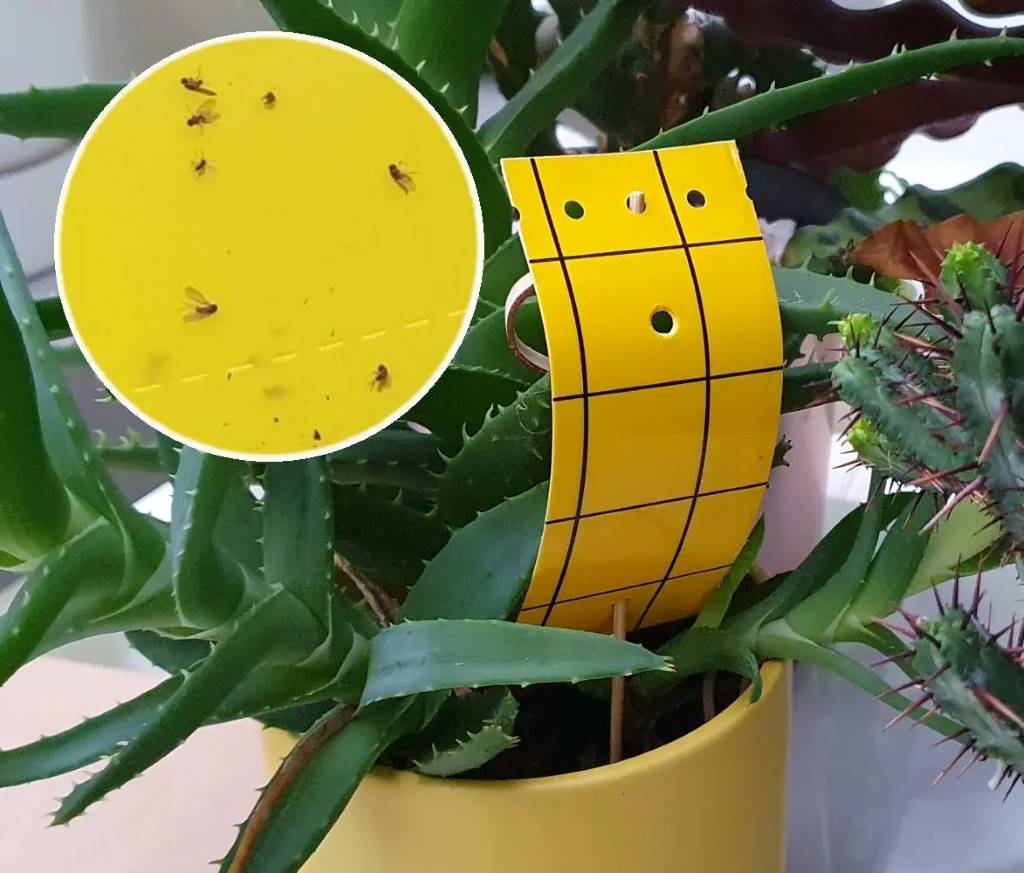
Making DIY sticky traps is straightforward and takes less than 30 minutes. Follow these steps to create effective traps for monitoring whiteflies:
- Cut the Base Material: Trim yellow cardstock or plastic into 4×6-inch rectangles. Smaller sizes work for indoor plants.
- Apply Sticky Substance: Spread a thin layer of petroleum jelly or honey on both sides using a paintbrush. Ensure even coverage.
- Attach Hanging Mechanism: Punch a hole at one end and thread string or wire for hanging.
- Place in Garden: Hang traps near affected plants, about 1-2 feet above the ground.
I made my first traps using honey and noticed whiteflies stuck within hours. This method is simple yet effective for early detection. Ensure the sticky layer isn’t too thick, as it may drip in heat. These traps help you monitor whitefly activity without harmful chemicals.
Best Locations for Placing Sticky Traps
Placement is key to maximizing trap effectiveness. Whiteflies tend to gather on the undersides of leaves, so position traps strategically. Hang them near infested plants, especially tomatoes, peppers, or flowers, at a height of 1-2 feet. Avoid windy spots to prevent traps from swinging excessively.
In my garden, I placed traps near my cucumber patch, where whiteflies were most active, and checked them weekly. This helped me track pest numbers accurately. The University of Florida study notes that traps placed within 3 feet of plants capture 70% more whiteflies than those farther away. Additionally, space traps 10-15 feet apart for even coverage. Proper placement ensures you catch whiteflies early, protecting your garden.
Tips for Maintaining and Checking Traps
Regular maintenance keeps sticky traps effective. Check traps weekly to monitor whitefly populations and replace them when covered with pests or debris. Clean hands after handling to avoid spreading sticky residue. If using honey, reapply every 2-3 weeks, as it may dry out.
Here are some maintenance tips:
- Inspect Regularly: Count trapped whiteflies to gauge infestation levels.
- Replace When Full: Swap out traps every 1-2 weeks for consistent monitoring.
- Store Properly: Keep extra traps in a cool, dry place to preserve stickiness.
I learned to check traps early in the morning when whiteflies are less active, making counting easier. Consistent monitoring helped me reduce whitefly numbers significantly. These habits ensure your traps remain reliable tools for pest control.
Common Mistakes to Avoid When Using Sticky Traps
Even simple methods like sticky traps have pitfalls. Avoid these common mistakes to ensure success:
- Using Wrong Colors: Whiteflies are drawn to yellow, not white or green traps.
- Overloading Sticky Substance: Too much adhesive can drip, reducing effectiveness.
- Poor Placement: Traps too far from plants catch fewer pests.
- Neglecting Maintenance: Dirty or full traps lose their stickiness.
When I started, I used white cardstock, which caught few whiteflies. Switching to yellow made a huge difference. Additionally, check weather conditions, as rain can wash away adhesive. By avoiding these errors, you can monitor whiteflies effectively and keep your garden healthy.
Read Also:
Over or Under Watering: How to Tell the Difference and Save Your Lawn & Plants
How Do I Get Rid of Chafer Grubs? A Comprehensive Guide
Benefits of Using DIY Sticky Traps
DIY sticky traps offer multiple advantages for gardeners. They are cost-effective, often costing less than $5 to make a dozen. They’re also eco-friendly, avoiding chemical pesticides that harm beneficial insects. Traps provide early detection, allowing timely action against whiteflies.
Moreover, they’re versatile for indoor and outdoor use. In my experience, using traps indoors saved my houseplants from a whitefly outbreak. The USDA study found that sticky traps reduce whitefly populations by up to 60% when combined with other methods. These benefits make DIY traps a must-have for sustainable gardening.
Integrating Sticky Traps into a Broader Pest Control Plan
Sticky traps are most effective when part of a larger pest management strategy. Combine them with natural predators like ladybugs or lacewings, which eat whiteflies. Regularly clean plant leaves to remove eggs and use neem oil for added protection.
In my garden, I paired traps with neem oil sprays, reducing whitefly damage significantly. Monitoring traps helped me time treatments precisely. Additionally, rotate crops to disrupt whitefly breeding cycles. This integrated approach ensures long-term control, keeping your plants healthy and productive.
Conclusion
DIY sticky traps are a simple, effective way to monitor whiteflies and protect your garden. By using affordable materials and strategic placement, you can catch these pests early and prevent infestations. This guide has shown you how to craft traps, place them correctly, and avoid common mistakes. With regular maintenance and integration into a broader pest control plan, you’ll keep whiteflies at bay. Try making your own traps today and share your results in the comments below. Let’s keep our gardens thriving together!
FAQs
Why are yellow sticky traps best for whiteflies?
Yellow attracts whiteflies due to their preference for bright colors, capturing 80% more pests than other colors, per USDA research.
How often should I check my sticky traps?
Check traps weekly to monitor whitefly numbers and replace them when full or every 1-2 weeks for consistent results.
Can I reuse DIY sticky traps?
Reusing traps is possible if cleaned and recoated with adhesive, but fresh traps are more effective for accurate monitoring.
Are DIY sticky traps safe for beneficial insects?
Sticky traps may catch beneficial insects like bees. Place them carefully and use targeted adhesives to minimize harm.
What should I do if traps catch too many whiteflies?
If traps fill quickly, combine with neem oil or natural predators like ladybugs to reduce whitefly populations effectively.