

nCreating the perfect lawn requires more than just running a mower across your yard every weekend. Effective lawn cutting tips can transform an ordinary yard into a lush, healthy landscape that becomes the envy of your neighborhood. However, many homeowners unknowingly damage their grass with improper mowing techniques, leading to brown patches, weak root systems, and pest problems.
Understanding the science behind proper grass cutting makes all the difference between a struggling lawn and a thriving one. From blade height adjustments to timing considerations, these proven strategies will help you achieve professional results. Whether you’re a beginner or experienced gardener, these practical lawn cutting tips will revolutionize your approach to yard maintenance and deliver the beautiful, healthy grass you’ve always wanted.
Why Proper Lawn Cutting Techniques Matter for Grass Health
Correct mowing practices directly impact your lawn’s overall health and appearance. When you cut grass properly, you encourage stronger root development and improved disease resistance. Additionally, proper techniques help your lawn compete more effectively against weeds and environmental stressors.
Research shows that improper mowing accounts for nearly 70% of lawn health problems in residential settings. Therefore, understanding fundamental cutting principles becomes essential for any homeowner seeking a beautiful yard. Moreover, healthy grass requires less water, fertilizer, and chemical treatments when maintained correctly.
Essential Equipment Selection for Professional Quality Results
Choosing the right mower significantly affects your lawn’s health and appearance. Sharp blades create clean cuts that heal quickly, while dull blades tear grass and create entry points for diseases. Furthermore, different grass types require specific blade configurations for optimal results.
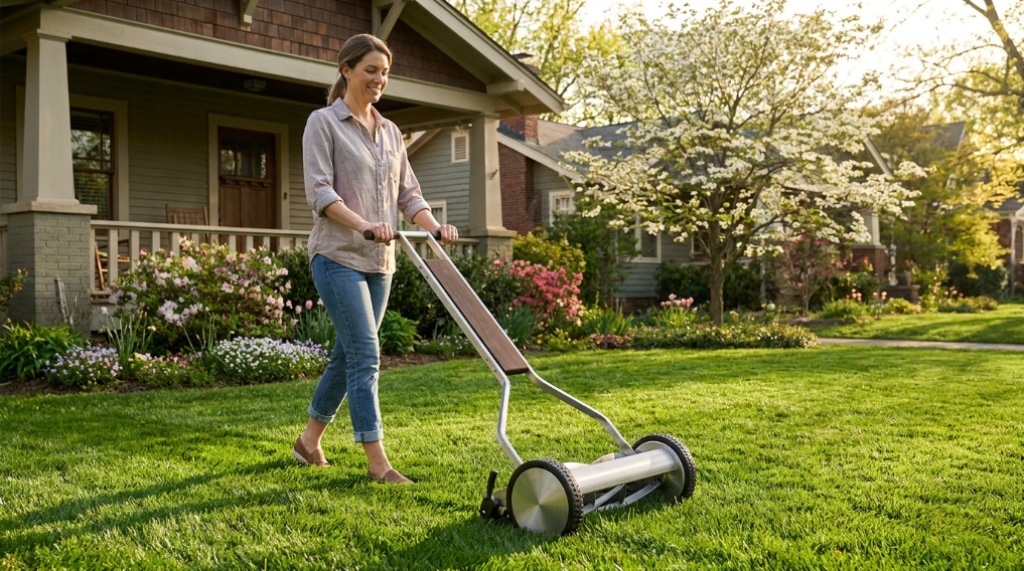
Reel mowers work best for fine grasses like bentgrass and bermuda, providing the cleanest possible cut. However, rotary mowers handle thicker grasses and uneven terrain more effectively. Additionally, consider your lawn size when selecting equipment, as larger areas benefit from wider cutting decks that reduce mowing time.
Regular blade maintenance ensures consistent performance throughout the growing season. Consequently, plan to sharpen or replace blades at least twice annually for best results.
Optimal Blade Height Settings That Promote Healthy Growth
Setting proper cutting height represents one of the most critical lawn cutting tips for maintaining grass health. Different grass species require specific height ranges to thrive and resist stress. Moreover, seasonal adjustments help your lawn adapt to changing weather conditions.
Cool-season grasses like fescue and bluegrass perform best when maintained between 2.5 to 3.5 inches tall. Meanwhile, warm-season varieties such as bermuda and zoysia prefer heights between 1.5 to 2.5 inches. Additionally, taller grass develops deeper root systems that improve drought tolerance and nutrient uptake.
Never remove more than one-third of the grass blade length in a single cutting session. This practice prevents stress and maintains the grass’s ability to photosynthesize effectively. Therefore, adjust your cutting schedule based on growth rates rather than calendar dates.
Strategic Timing Guidelines for Maximum Lawn Health Benefits
Timing your mowing sessions correctly maximizes grass health and minimizes stress. Early morning cutting allows grass to recover during cooler temperatures with adequate moisture. However, avoid mowing when grass is wet, as this can spread diseases and create uneven cuts.
Late afternoon mowing works well during moderate weather conditions. Nevertheless, avoid cutting during peak heat hours, as this stresses grass and increases water loss. Additionally, consider your grass type’s active growing season when planning maintenance schedules.
According to the University of California Agriculture and Natural Resources Extension, mowing during optimal conditions can improve grass density by up to 40% compared to poor timing practices. Therefore, plan your cutting schedule around weather patterns and grass growth cycles for maximum effectiveness.

Advanced Mowing Pattern Techniques That Enhance Lawn Appearance
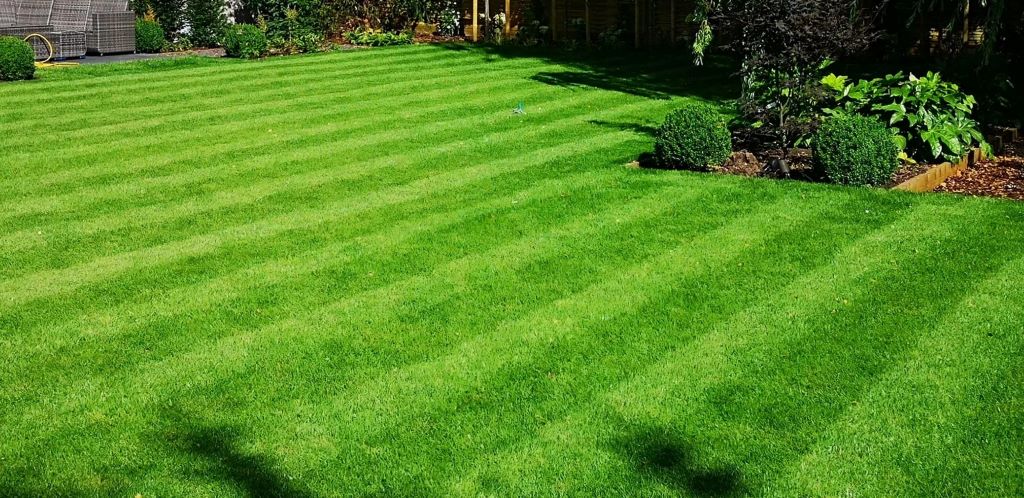
Varying your mowing patterns prevents soil compaction and promotes upright grass growth. Alternating directions each session encourages grass blades to grow vertically rather than leaning in one direction. Furthermore, different patterns create visual interest and professional-looking results.
Popular patterns include straight lines, diagonal cuts, and checkerboard designs for larger lawns. However, smaller yards benefit from simple back-and-forth patterns that change direction weekly. Additionally, avoid creating ruts by distributing weight evenly across your lawn surface.
Professional landscapers recommend changing patterns every two to three mowing sessions. Consequently, your grass develops stronger stems and more uniform density throughout the growing season.
Common Mowing Mistakes That Damage Your Grass
Several common errors can severely damage your lawn’s health and appearance. Cutting grass too short scalps the lawn and weakens root systems significantly. Moreover, using dull blades creates ragged cuts that invite disease and pest problems.
Mowing wet grass spreads fungal diseases and creates uneven cutting results. Additionally, following the same pattern repeatedly causes soil compaction and creates permanent tracks in your lawn. Furthermore, neglecting equipment maintenance leads to poor performance and potential grass damage.
Key mistakes to avoid include:
- Cutting more than one-third of grass height
- Mowing during extreme heat or drought conditions
- Ignoring blade sharpness and maintenance schedules
- Using inappropriate cutting heights for grass species
- Rushing through mowing without attention to detail
Seasonal Maintenance Strategies for Year-Round Success
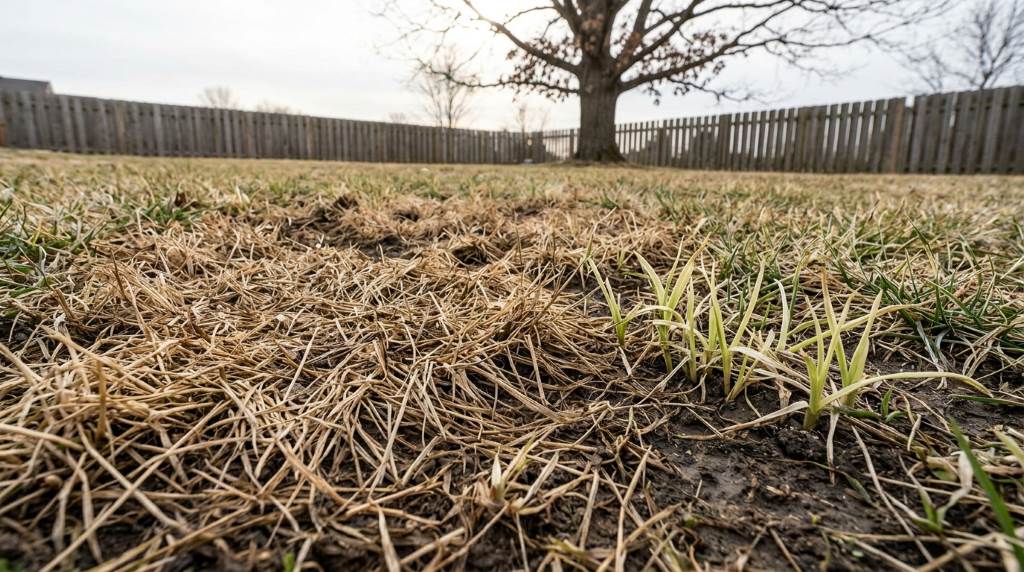
Different seasons require adjusted approaches to lawn cutting and maintenance. Spring mowing focuses on encouraging new growth while removing winter damage. However, avoid cutting too early when grass is still dormant or recovering from winter stress.
Summer maintenance emphasizes stress reduction through proper height settings and timing. Additionally, increase cutting height during hot, dry periods to improve heat tolerance. Meanwhile, fall preparation involves gradually lowering height while removing fallen leaves that block sunlight.
Winter preparation includes final height adjustments and equipment winterization. Therefore, plan seasonal transitions carefully to maintain grass health throughout changing conditions.
Professional Tools and Equipment Maintenance Best Practices
Maintaining your equipment properly ensures consistent performance and extends tool lifespan significantly. Sharp blades produce clean cuts that heal quickly and resist disease infiltration. Moreover, regular maintenance prevents costly repairs and replacement expenses.
Clean your mower after each use to prevent grass buildup and corrosion. Additionally, check oil levels, air filters, and spark plugs according to manufacturer recommendations. Furthermore, store equipment properly during off-seasons to prevent damage and deterioration.
Professional maintenance schedules include blade sharpening every 20-25 hours of use. Consequently, keep spare blades available to maintain cutting quality throughout busy growing seasons.
Troubleshooting Guide for Common Lawn Cutting Problems
Identifying and addressing cutting problems quickly prevents long-term damage to your lawn. Brown grass tips often indicate dull blades that need immediate attention. However, uneven growth patterns may suggest improper height settings or equipment issues.
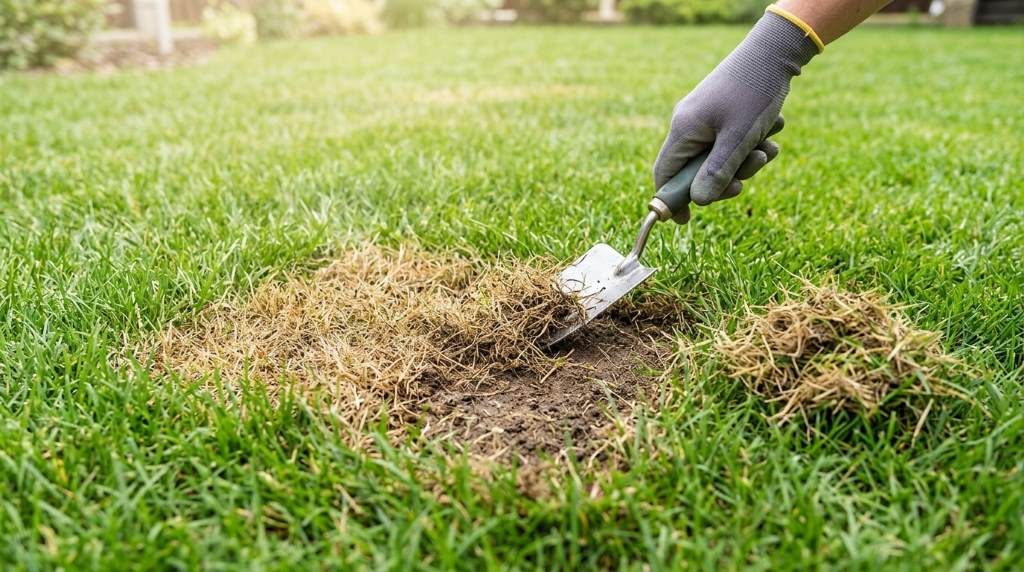
Scalped areas require immediate care including overseeding and proper watering schedules. Additionally, compacted soil benefits from aeration combined with adjusted mowing patterns. Moreover, persistent weed problems often indicate underlying cutting technique issues.
When problems persist despite proper techniques, consider soil testing and professional consultation. Therefore, document problem areas and maintenance practices to identify potential improvement opportunities.
Environmental Considerations and Sustainable Practices
Sustainable lawn care practices benefit both your grass and the broader environment. Grasscycling returns valuable nutrients to your soil while reducing waste disposal needs. Additionally, electric mowers produce fewer emissions than gas-powered alternatives.
Water conservation becomes easier with proper cutting heights that improve drought tolerance. Furthermore, healthy lawns require fewer chemical inputs when maintained with correct techniques. Moreover, timing cuts around natural moisture availability reduces supplemental watering requirements.
Consider native grass species that require less maintenance and adapt better to local climate conditions. Therefore, sustainable practices often produce better results while reducing environmental impact and maintenance costs.
Conclusion
Mastering these lawn cutting tips transforms ordinary yard maintenance into a pathway toward achieving professional-quality results. Proper techniques not only improve your grass’s health and appearance but also reduce long-term maintenance requirements and costs. From selecting appropriate equipment to timing your sessions correctly, each element contributes to overall success.
Remember that consistency matters more than perfection when implementing these strategies. Start with basic techniques like proper height settings and sharp blades, then gradually incorporate advanced methods as your skills develop. Additionally, observe how your specific grass type responds to different approaches and adjust accordingly.
These proven lawn cutting tips will help you create the beautiful, healthy lawn you’ve always envisioned. Take action today by implementing one or two techniques, then gradually expand your approach as you see positive results.
What’s your biggest lawn cutting challenge? Share your experiences in the comments below and help fellow homeowners learn from your successes and mistakes!
Frequently Asked Questions
How often should I cut my grass during peak growing season?
Most grass types require cutting every 5-7 days during peak growing seasons. However, growth rates vary based on temperature, moisture, and fertilization schedules. Monitor your grass height and cut when it exceeds the recommended maximum by about one-third.
What’s the best time of day to mow my lawn?
Early morning between 8-10 AM provides optimal conditions when grass is dry but temperatures remain moderate. Avoid midday cutting during hot weather, and never cut wet grass as this promotes disease spread and creates uneven results.
Should I bag grass clippings or leave them on the lawn?
Leave grass clippings on the lawn unless they’re excessively long or thick. This practice, called grasscycling, returns valuable nutrients to your soil and reduces fertilizer requirements by up to 25%. Only bag clippings when they might smother the grass beneath.
How do I know if my mower blades need sharpening?
Sharp blades create clean, even cuts while dull blades tear grass and leave brown, frayed tips. Inspect grass closely after cutting – healthy cuts appear clean and green, while damaged cuts look brown and ragged. Sharpen blades every 20-25 hours of use.
Can I cut my grass too short permanently damage it?
Cutting grass extremely short (scalping) can cause permanent damage by exposing roots and destroying growing points. However, most grass types recover from moderate scalping with proper care including adequate watering, fertilization, and adjusted cutting heights during recovery periods.
Read More: