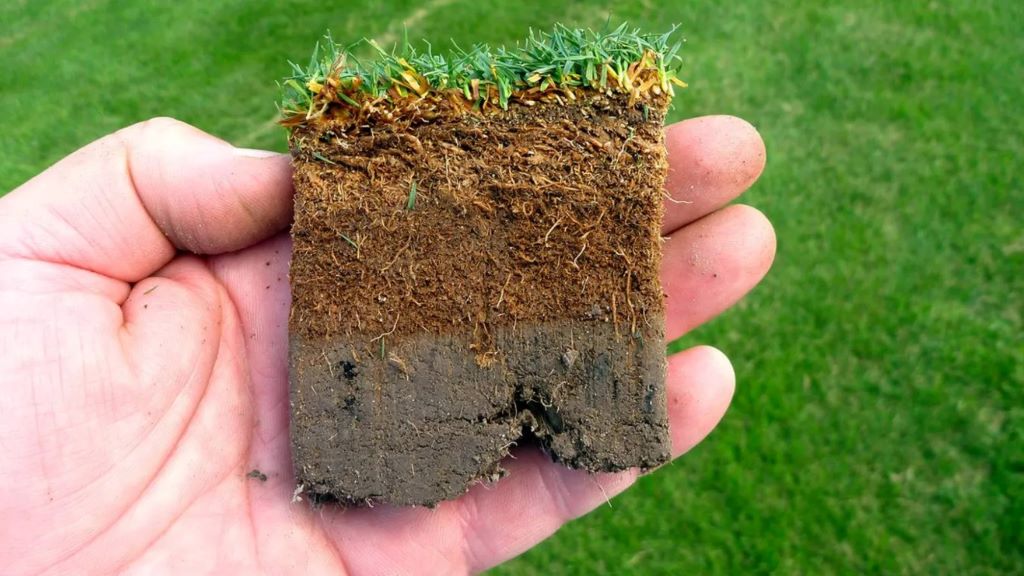

Thatch buildup can silently harm your lawn, creating a dense layer that blocks water, air, and nutrients from reaching grass roots. This common lawn issue, often overlooked, leads to patchy, unhealthy turf. Understanding thatch and its impact is key to maintaining a vibrant, lush lawn. By learning how to identify and remove it, you can restore your yard’s health and beauty. This guide explores the causes of thatch, its effects, and practical steps to eliminate it, ensuring your lawn thrives. With clear methods and expert tips, you’ll be equipped to tackle this problem effectively.
What Exactly Is Thatch Buildup and Why It Matters
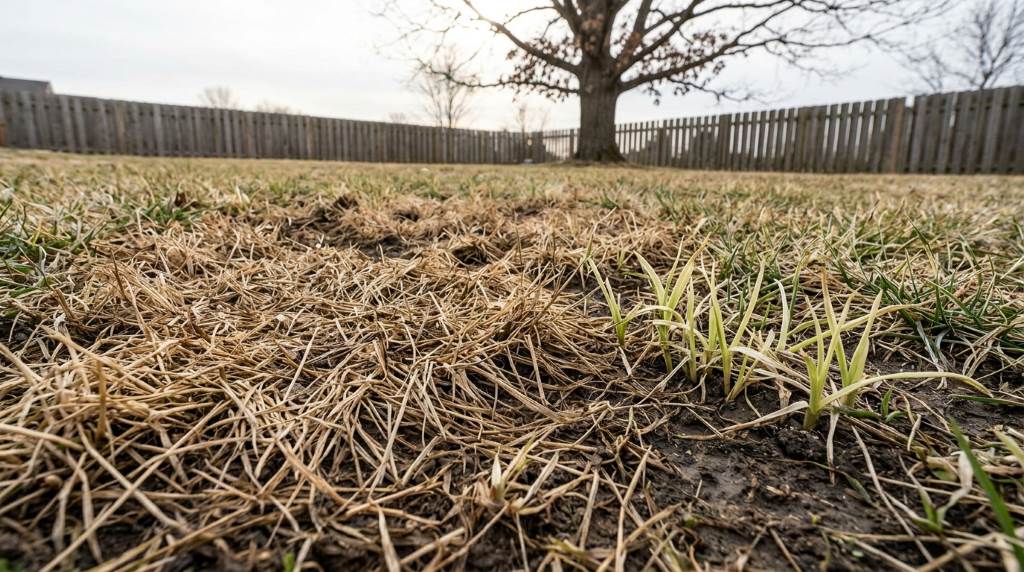
Thatch is a layer of dead grass, roots, and organic debris that accumulates between the soil and grass blades. While a thin layer (less than half an inch) can protect soil, excessive thatch buildup prevents water, air, and nutrients from penetrating, starving your lawn. According to a 2023 study by the University of Maryland Extension, thick thatch (over one inch) can reduce lawn health by 40% due to poor root access to essentials. This creates weak, patchy grass prone to disease and pests.
When I noticed my lawn turning brown despite regular watering, I discovered a thick thatch layer smothering the roots. This personal experience showed me how thatch can silently damage even well-cared-for lawns. Left unchecked, it fosters conditions for fungal diseases and insect infestations, making timely removal critical for lawn vitality. Recognizing thatch’s impact is the first step to restoring your yard’s health.
How Thatch Buildup Affects Your Lawn’s Health
Excessive thatch acts like a barrier, blocking essential resources from reaching grass roots. Water pools on the surface, leading to shallow root systems, while air circulation diminishes, promoting fungal growth. A 2022 report from the USDA National Agricultural Library notes that lawns with heavy thatch are 30% more likely to develop diseases like brown patch. This weakens grass, causing thinning and bare spots.
Additionally, thatch buildup harbors pests like chinch bugs, which thrive in the dense, moist environment. My own lawn suffered from uneven growth until I addressed the thatch issue, revealing how it stifles grass development. By understanding these effects, you can prioritize thatch removal to prevent long-term damage and maintain a resilient, green lawn.
Identifying Thatch Buildup in Your Yard
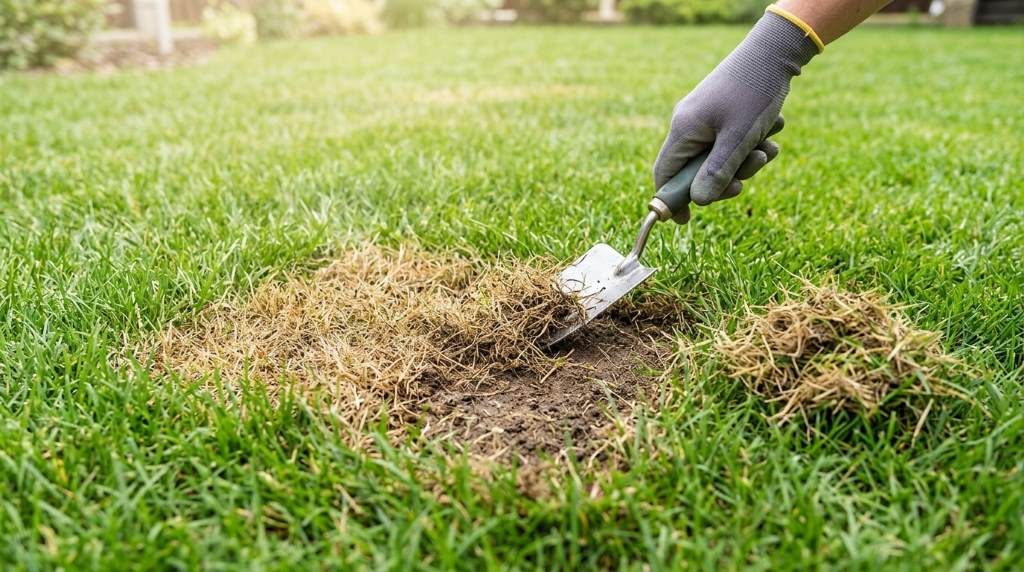
To check for thatch, dig a small lawn section and examine the layer between soil and grass. If it’s thicker than half an inch, you’ve got a problem. Signs include spongy ground, water runoff, or patchy grass. Use a ruler to measure the thatch layer accurately. You might notice grass looking dull or struggling despite care, as I did when my yard felt unusually soft underfoot.
Another method is the “push test”: press your finger into the lawn; if it feels hard or resists, thatch may be the culprit. Regular inspection, especially in spring or fall, helps catch buildup early. By identifying thatch promptly, you can take action before it suffocates your lawn, ensuring it stays healthy and vibrant.
Causes of Excessive Thatch Buildup
Thatch accumulates when organic debris decomposes slower than it builds up. Overwatering, excessive nitrogen fertilizers, or frequent mowing without clippings removal are common culprits. Compacted soil also slows decomposition, as microbes can’t thrive. The University of Maryland Extension reports that over-fertilized lawns produce 25% more thatch due to rapid grass growth.
Poor lawn practices, like infrequent aeration, exacerbate the issue. In my case, skipping aeration for years led to a dense thatch layer, as soil compaction prevented natural breakdown. Additionally, certain grass types, like Kentucky bluegrass, are prone to thatch due to their growth habits. Understanding these causes helps you adjust lawn care practices to prevent buildup and maintain a healthy yard.
Tools You Need to Remove Thatch Effectively
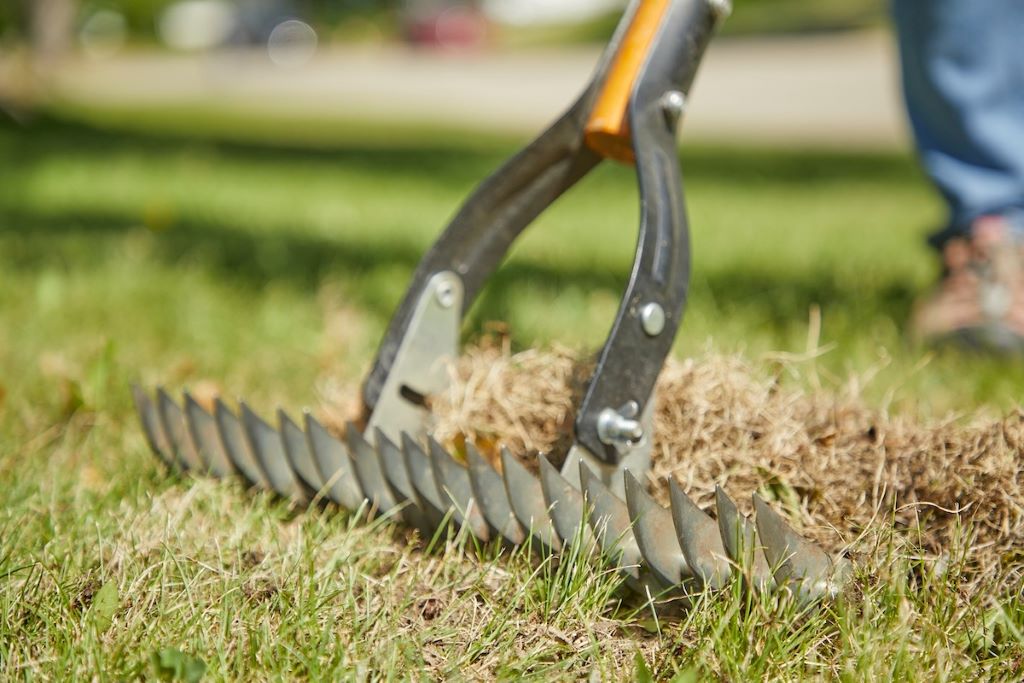
Removing thatch requires the right tools to make the job efficient. Here’s a list of essentials:
- Dethatching rake: Pulls up thatch manually for small lawns.
- Power dethatcher: Ideal for larger yards, removes thatch quickly.
- Lawn aerator: Loosens soil to aid thatch breakdown.
- Leaf rake: Collects debris post-dethatching.
- Gloves and safety glasses: Protects during the process.
For my small backyard, a dethatching rake worked wonders, though larger lawns benefit from powered equipment. Renting a power dethatcher from a garden center can save time and effort. Ensure tools are sharp and well-maintained to avoid damaging grass. With these tools, you can tackle thatch buildup efficiently, restoring your lawn’s health.
Step-by-Step Guide to Dethatching Your Lawn
Dethatching is straightforward with the right approach. Follow these steps:
- Mow the lawn: Cut grass to half its height for easier access.
- Water lightly: Moisten the lawn a day before to soften thatch.
- Dethatch: Use a rake or power dethatcher to pull up the layer.
- Collect debris: Rake and bag thatch for disposal.
- Aerate: Poke holes in soil to improve air and water flow.
- Water and fertilize: Hydrate and feed grass to aid recovery.
I dethatched my lawn in spring, noticing immediate improvement in grass color after debris removal. Work in small sections to avoid overwhelming yourself, and avoid dethatching during drought or heat to prevent grass stress. This process, done annually or biannually, keeps thatch under control and promotes a thriving lawn.
Preventing Thatch Buildup for a Healthier Lawn
Prevention is easier than removal. Regular aeration, proper mowing, and balanced fertilization reduce thatch accumulation. Aerate yearly to improve soil microbes’ activity, which breaks down debris. Mow at the correct height (about one-third of grass length) and avoid over-fertilizing, as excess nitrogen fuels thatch growth.
Water deeply but infrequently to encourage strong roots and microbial activity. My lawn improved significantly after I started aerating annually and adjusted my watering schedule. Additionally, consider overseeding with grass varieties less prone to thatch, like tall fescue. These practices, combined with routine checks, ensure your lawn stays healthy and free from excessive thatch buildup.
Common Mistakes to Avoid When Dethatching
Dethatching mistakes can harm your lawn. Here are pitfalls to avoid:
- Dethatching too aggressively: Removes healthy grass, weakening the lawn.
- Wrong timing: Avoid hot or dry seasons to prevent stress.
- Skipping aeration: Limits soil recovery post-dethatching.
- Ignoring debris cleanup: Leaving thatch piles smothers grass.
I once dethatched too deeply, damaging my grass and delaying recovery. Timing is critical—spring or early fall is ideal, as grass recovers faster. Always clean up debris thoroughly and aerate afterward to boost soil health. By avoiding these errors, you ensure effective thatch removal without compromising your lawn’s vitality.
Benefits of Regular Thatch Management
Managing thatch keeps your lawn vibrant and resilient. Benefits include:
- Improved nutrient uptake: Roots access water and fertilizers easily.
- Enhanced air circulation: Reduces fungal diseases.
- Stronger grass: Promotes deeper root growth.
- Pest reduction: Discourages insects thriving in thatch.
After regular dethatching, my lawn became greener and thicker within weeks. The USDA notes that well-maintained lawns with minimal thatch are 20% less likely to face pest issues. Consistent thatch management saves time and money by preventing costly lawn repairs, ensuring a lush, healthy yard year-round.
When to Call a Professional for Thatch Removal
For severe thatch buildup or large lawns, professionals offer expertise and equipment. If thatch exceeds one inch or your lawn shows persistent issues like water pooling, expert help may be needed. Professionals use industrial dethatchers and aerators, ensuring thorough removal without damaging grass.
I hired a landscaper when my lawn’s thatch was too thick for my rake, and the results were impressive. Look for licensed services with good reviews, and ask about their methods. While DIY is cost-effective, professionals save time and ensure optimal results for complex cases, giving your lawn a fresh start.
Conclusion
Thatch buildup can quietly undermine your lawn’s health, but with the right knowledge and tools, you can remove it effectively. By identifying and addressing thatch early, using proper techniques, and adopting preventive measures, you ensure a lush, vibrant yard. Regular maintenance, like aeration and balanced care, keeps thatch at bay, promoting strong grass growth. Take action today to restore your lawn’s beauty and health. Share your dethatching tips or experiences in the comments below, or spread this guide to help others achieve a thriving lawn!
FAQs
What is thatch buildup in a lawn?
Thatch is a layer of dead grass and debris blocking water and nutrients.
How often should I dethatch my lawn?
Dethatch every one to two years, depending on thatch thickness.
Can I dethatch my lawn in summer?
Avoid summer dethatching; spring or fall is best to prevent grass stress.
What tools are best for removing thatch?
Use a dethatching rake for small lawns or a power dethatcher for larger ones.
How can I prevent thatch buildup?
Aerate yearly, mow correctly, and avoid over-fertilizing to reduce thatch.
Read More: