

Struggling with a patchy, lifeless lawn despite regular care? Compacted soil might be the hidden culprit. When soil becomes too dense, it restricts root growth, water flow, and nutrient absorption, leaving your grass starved and stunted. This common issue affects countless homeowners, but the good news is that it’s fixable with the right approach. In this guide, we’ll explore why soil compacts, how it impacts your lawn, and practical steps to revive your yard. Whether you’re a gardening novice or a seasoned green thumb, understanding compacted soil can transform your lawn into a lush, vibrant oasis. Let’s dive into the causes, solutions, and prevention tips to ensure your grass thrives.
What Causes Soil to Become Compacted?
Soil compaction occurs when particles are pressed tightly together, reducing pore space for air, water, and roots. Heavy foot traffic, machinery, or even frequent rainfall can compress soil over time. Clay-heavy soils are particularly prone, as they naturally pack tighter than sandy or loamy soils. According to a 2018 study by the University of Wisconsin-Madison, compacted soil can reduce grass growth by up to 50% due to restricted root development.
Additionally, construction activities or improper lawn maintenance, like over-mowing, can worsen the issue. For example, I once noticed my backyard lawn thinning after hosting weekly barbecues, unaware that constant foot traffic was compacting the soil beneath. Recognizing these causes early helps you take action before your lawn suffers irreversible damage.
How Compacted Soil Affects Your Lawn’s Health
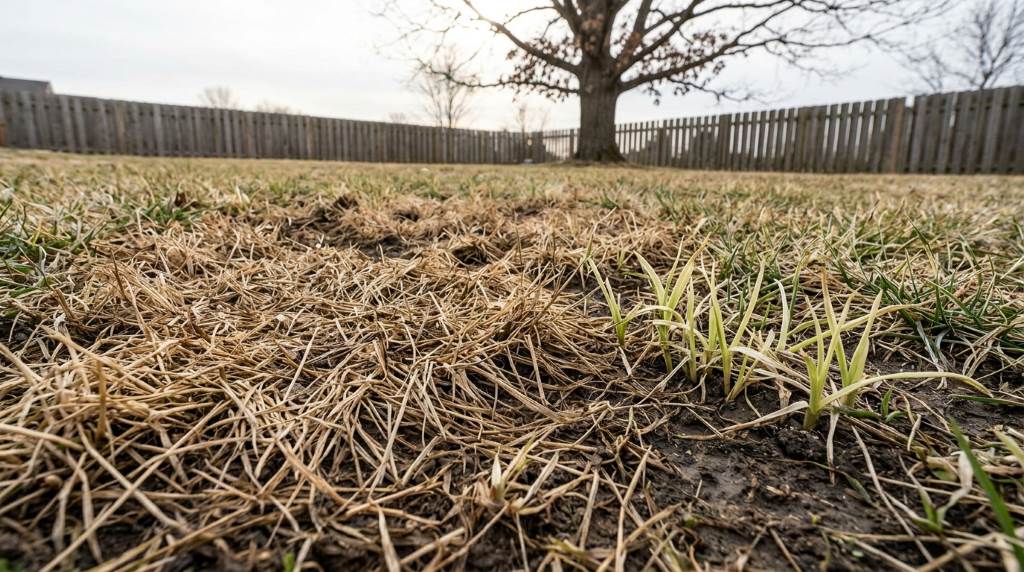
Compacted soil creates a hostile environment for grass. Roots struggle to penetrate dense layers, limiting access to water and nutrients. This leads to patchy growth, yellowing blades, and weak turf. Poor drainage is another issue, as water pools on the surface, increasing the risk of root rot. A 2020 report from the USDA’s Natural Resources Conservation Service notes that compacted soils can reduce water infiltration by 70%, starving grass of moisture.
Moreover, compacted soil suffocates beneficial microorganisms that support healthy turf. I learned this the hard way when my lawn’s bare spots kept expanding despite fertilizing. Testing revealed dense soil that blocked root expansion. By addressing compaction, you can restore your lawn’s ability to absorb nutrients and water, paving the way for vibrant growth.
Signs Your Lawn Suffers from Compacted Soil
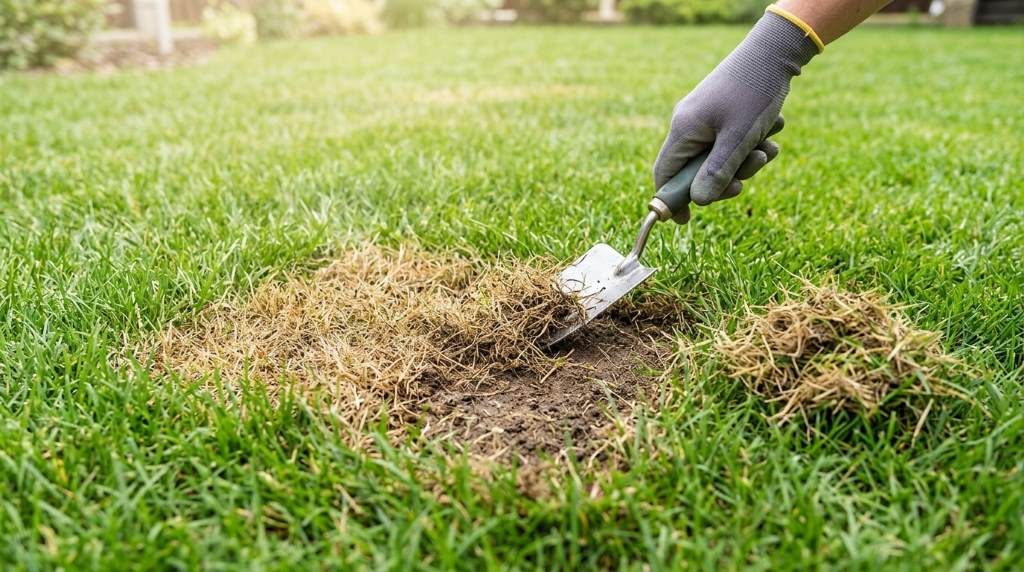
Identifying compacted soil early can save your lawn. Common signs include standing water after rain, sparse grass growth, or hard, cracked soil surfaces. If you struggle to push a shovel into the ground, compaction is likely the issue. You might also notice grass that turns yellow or brown despite regular watering, as roots can’t access resources.
Another clue is uneven growth patterns, especially in high-traffic areas like pathways. I once ignored these signs, thinking my lawn needed more fertilizer, only to discover the soil was too dense for nutrients to penetrate. Testing your soil with a simple screwdriver—if it doesn’t slide in easily, compaction is present—can confirm the problem. Addressing these symptoms promptly prevents long-term damage to your turf.
Practical Solutions to Fix Compacted Soil
Fixing compacted soil requires targeted techniques to loosen the ground and restore its structure. Aeration is a top method, using tools to poke holes in the soil, allowing air and water to reach roots. Core aeration, which removes small plugs of soil, is especially effective. For severe cases, consider topdressing with compost to improve soil texture over time.
Here are key steps to fix compacted soil:
- Aerate annually: Use a core aerator in spring or fall for best results.
- Add organic matter: Spread compost or aged manure to enhance soil structure.
- Avoid over-watering: Excess moisture can worsen compaction in clay soils.
I tried aeration on my lawn and saw greener grass within weeks. Regular maintenance after fixing compaction keeps your lawn healthy and resilient.

Preventing Soil Compaction in the Future
Preventing compacted soil is easier than fixing it. Limit heavy traffic on your lawn, especially when it’s wet, as damp soil compacts easily. Create designated pathways with stepping stones to reduce wear on grass. Additionally, avoid using heavy machinery unless necessary, and if you must, use wide tires to distribute weight evenly.
Rotating high-traffic areas and planting hardy grass varieties suited to your region can also help. For instance, after aerating my lawn, I switched to a durable fescue blend, which thrived despite occasional foot traffic. Regularly adding organic matter, like compost, keeps soil loose and fertile. By taking these steps, you can maintain a lawn that resists compaction and stays lush year-round.
Tools and Techniques for Aerating Your Lawn
Aeration is a game-changer for compacted soil, and choosing the right tools makes it effective. Manual aerators, like spiked shoes, work for small lawns, but core aerators—available for rent at garden centers—are better for larger areas. These machines remove soil plugs, relieving pressure and improving root access to air and water.
For best results, aerate when soil is slightly moist, not soggy, to avoid further compaction. Water your lawn lightly a day before, then make two passes in a crisscross pattern. After aerating, spread a thin layer of compost to boost soil health. I rented a core aerator for my yard, and the process was straightforward, with visible improvements in weeks. Consistent aeration, once or twice yearly, keeps your lawn thriving.
Benefits of Addressing Compacted Soil Early
Tackling compacted soil promptly transforms your lawn’s health and appearance. Loose soil allows roots to spread, improving nutrient uptake and drought resistance. A well-aerated lawn also drains better, reducing puddles and erosion. According to the University of Wisconsin-Madison, addressing compaction can boost grass density by 30% within a season.
Beyond aesthetics, a healthy lawn increases property value and creates a welcoming outdoor space. When I fixed my compacted soil, my lawn became the envy of the neighborhood, hosting vibrant gatherings without worry. Early action prevents costly repairs, like re-sodding, and fosters a sustainable yard that thrives with minimal effort.
Common Mistakes to Avoid When Fixing Compaction
Fixing compacted soil seems simple, but mistakes can worsen the problem. One error is aerating wet soil, which smears rather than loosens it. Another is neglecting to remove soil plugs after core aeration, as they need to break down naturally to improve soil structure. Over-fertilizing without addressing compaction is also futile, as nutrients can’t reach roots.
Here are mistakes to avoid:
- Aerating too deeply: Shallow aeration (2-3 inches) is sufficient for most lawns.
- Ignoring soil type: Clay soils need more frequent aeration than sandy ones.
- Skipping maintenance: Regular care prevents re-compaction.
I once over-aerated my lawn, thinking deeper was better, only to damage roots. Learning proper techniques saved my yard and taught me the value of precision.
Conclusion: Revive Your Lawn with Simple Steps
Compacted soil can choke your lawn, but with the right knowledge, you can restore its vitality. By understanding the causes, recognizing signs, and using techniques like aeration and topdressing, you can transform a struggling yard into a lush masterpiece. Preventing future compaction with mindful practices ensures long-term success. My own lawn’s revival, from patchy to thriving, proves these methods work. Take action today to loosen your soil and watch your grass flourish. Share your lawn care tips or questions in the comments below, or spread this guide to help others grow a healthier yard!
FAQs
Why does my lawn have bare patches despite watering?
Bare patches often signal compacted soil, which blocks water and nutrients from reaching roots. Aeration and organic matter can help.
How often should I aerate my lawn?
Aerate once or twice yearly, ideally in spring or fall, depending on soil type and traffic levels.
Can compacted soil cause standing water?
Yes, dense soil prevents water infiltration, leading to puddles. Aeration improves drainage and reduces pooling.
What’s the best tool for aerating a small lawn?
For small lawns, a manual aerator or spiked shoes work well. Core aerators are better for larger areas.
How can I test for compacted soil at home?
Push a screwdriver into the soil. If it resists, your soil is likely compacted and needs aeration.
Read More:
Improving Drainage in Heavy Clay Soil for Planting Roses