

Maintaining a lush, green lawn can be challenging when faced with persistent issues like weeds, pests, or bare patches. A healthy lawn enhances your home’s curb appeal and provides a welcoming outdoor space. However, lawn problems can arise from weather, neglect, or improper care, frustrating even seasoned gardeners. This guide explores the top eight common lawn issues and offers practical, fast solutions to restore your yard’s vibrancy. By addressing these challenges with proven methods, you’ll achieve a thriving lawn that stands out in your neighborhood. Whether you’re battling crabgrass or patchy grass, we’ve got you covered with expert tips to fix them efficiently.
1. Tackling Stubborn Weeds Invading Your Lawn
Weeds like dandelions and crabgrass compete with grass for nutrients, water, and sunlight, ruining your lawn’s appearance. According to a 2023 study by the University of Maryland Extension, weeds affect over 60% of U.S. lawns annually. They spread rapidly if not controlled, especially in warm seasons.
To combat weeds, manually pull them, ensuring you remove the entire root to prevent regrowth. For larger infestations, apply a selective herbicide, following label instructions carefully. Pre-emergent herbicides work best in early spring to stop weed seeds from germinating. Maintain a dense lawn by mowing at the right height (2.5–3.5 inches) and fertilizing regularly to crowd out weeds. My own lawn once battled crabgrass, but consistent mowing and a pre-emergent herbicide turned it around in weeks.
2. Reviving Bare Patches for a Uniform Lawn
Bare patches make lawns look uneven and neglected, often caused by foot traffic, pets, or poor soil conditions. These spots weaken your lawn’s overall health, inviting weeds or erosion. A 2022 USDA report notes that 25% of homeowners face patchy lawns due to improper maintenance.
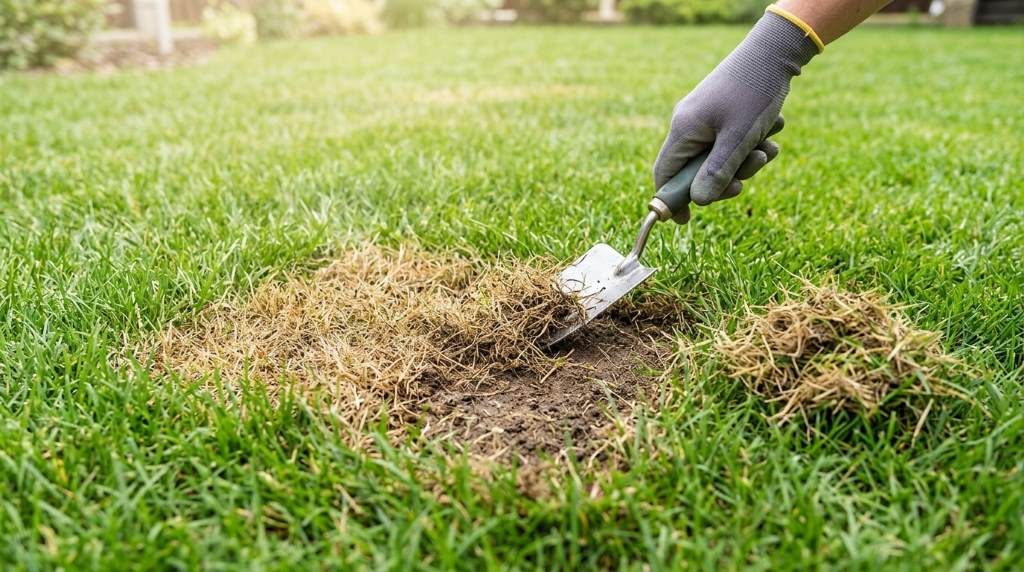
To fix bare patches, loosen the soil with a rake, then spread grass seed suited to your climate. Cover with a thin layer of topsoil and water daily for two weeks. Alternatively, use sod for quicker results, ensuring it’s pressed firmly into the soil. Fertilize lightly to encourage growth. I once repaired a bald spot caused by my dog’s digging by reseeding and keeping the area moist, restoring it in under a month.
3. Controlling Lawn Pests Causing Hidden Damage
Pests like grubs, chinch bugs, or sod webworms can destroy grass roots, leaving brown, dying patches. These critters thrive in warm, moist conditions, often going unnoticed until damage is severe. Regular inspection is key to catching them early.
Check for pests by lifting a small section of turf; if it pulls up easily with visible grubs, act fast. Apply a targeted insecticide, such as those containing imidacloprid, in late spring or early summer. Encourage natural predators like birds by installing feeders. Watering less frequently but deeply also discourages pest-friendly moist environments. My neighbor ignored grubs, and half their lawn died before they applied treatment—early action is critical.
4. Fixing Yellowing Grass from Nutrient Deficiency
Yellowing grass often signals a lack of nutrients, particularly nitrogen, or poor soil pH. Soil tests reveal deficiencies, with ideal lawn pH ranging from 6.0 to 7.0. Nutrient-poor lawns struggle to stay green and resist stress.
Conduct a soil test using a kit from your local extension service to pinpoint issues. Apply a balanced fertilizer (e.g., 10-10-10) in spring or fall, following package guidelines. If pH is off, add lime for acidic soil or sulfur for alkaline soil. Water thoroughly after application to help nutrients soak in. I once noticed my lawn yellowing; a soil test showed low nitrogen, and a quick fertilizer application restored its lush green in days.
5. Eliminating Lawn Diseases for Healthy Growth
Fungal diseases like brown patch or dollar spot thrive in humid conditions, causing discolored or thinning grass. These issues spread quickly, especially in overwatered or poorly aerated lawns, affecting aesthetics and health.
Improve air circulation by mowing at proper heights and avoiding evening watering. Apply a fungicide labeled for your specific lawn disease, following instructions precisely. Aerate annually to reduce soil compaction, allowing better water and nutrient flow. My lawn once developed a brown patch after heavy rains; aerating and applying fungicide cleared it up fast. Regular maintenance, like removing clippings, also prevents disease buildup.
6. Managing Thatch Buildup to Restore Lawn Vigor
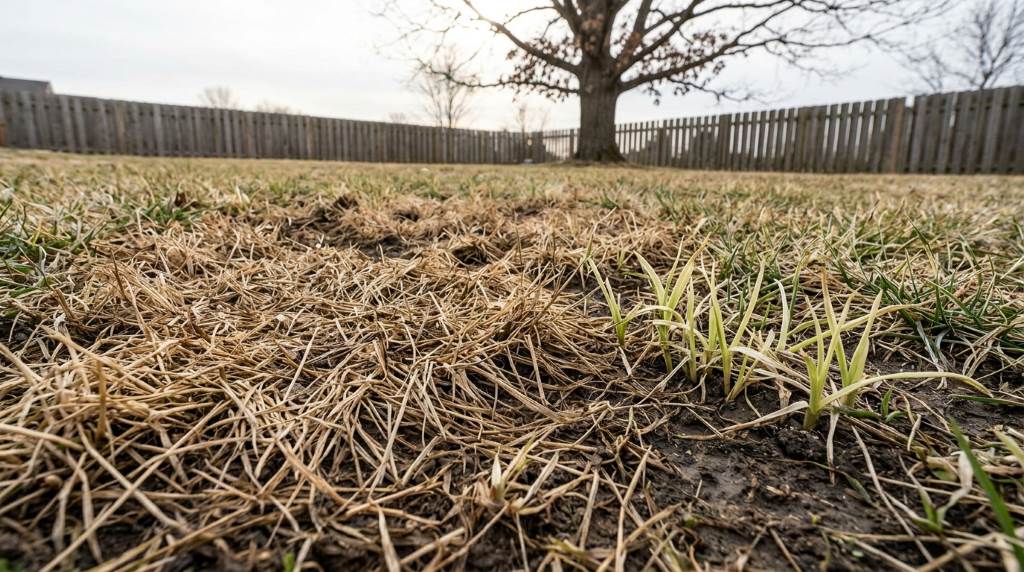
Thatch, a layer of dead grass and roots, blocks water and nutrients when it exceeds half an inch. Thick thatch suffocates grass, leading to weak growth and pest issues. It’s a common problem in heavily fertilized or overwatered lawns.
Use a dethatching rake or machine in early spring or fall to remove excess thatch. Follow with aeration to improve soil health. Maintain moderate watering and avoid over-fertilizing to prevent recurrence. I tackled thatch buildup in my yard with a rented dethatcher, and the lawn bounced back stronger within weeks. Regular raking and proper care keep thatch at bay.
7. Correcting Overwatering or Underwatering Issues
Improper watering causes stress, leading to shallow roots or fungal growth. Overwatered lawns feel spongy, while underwatered ones turn brown and brittle. Finding balance is essential for a healthy lawn.
Water deeply but infrequently, aiming for 1–1.5 inches per week, ideally in the morning. Use a rain gauge to track amounts. Install a sprinkler system for consistency, or adjust based on the weather. My lawn suffered from overwatering until I switched to a morning schedule, which reduced sogginess and improved grass strength. Check soil moisture with a screwdriver; if it slides in easily, hold off watering.
8. Addressing Soil Compaction for Better Root Growth
Compacted soil restricts root growth, limiting water and nutrient uptake. Heavy foot traffic or clay-heavy soils often cause this, leading to thin, weak grass. Aeration is the most effective fix.
Rent a core aerator in spring or fall to pull out soil plugs, improving air and water flow. Follow with overseeding and fertilizing for the best results. Water lightly post-aeration to aid recovery. My compacted backyard lawn transformed after aeration and seeding, becoming lush in just one season. Annual aeration prevents recurrence, especially in high-traffic areas.
Conclusion
A vibrant lawn is within reach by addressing common problems like weeds, pests, and bare patches with targeted solutions. Regular maintenance, such as proper watering, mowing, and fertilizing, prevents issues from escalating. By following these fast, effective fixes, you’ll enjoy a healthy, green yard that enhances your home’s appeal. Start tackling one issue today, and share your progress or tips in the comments below. Your lawn’s transformation could inspire others!
FAQs
How Can I Identify Weeds in My Lawn?
Check leaf shape, growth pattern, and flowers. Common weeds include dandelions (yellow flowers) and crabgrass (wide blades). Use a weed identification guide from your local extension service.
What’s the Best Time to Aerate My Lawn?
Aerate in early spring or fall when grass is actively growing, and the soil is moist but not soggy. Avoid hot, dry summer months.
How Often Should I Water My Lawn?
Water 1–1.5 inches per week, ideally in one or two deep sessions. Morning watering reduces evaporation and fungal risks.
Can I Fix Bare Patches Without Reseeding?
Sod offers a quick fix for bare patches, but reseeding is more cost-effective. Both require proper soil prep and watering.
How Do I Prevent Lawn Diseases?
Avoid overwatering, mow at the correct heights, and aerate annually. Apply fungicides early if you notice discolored patches.
Read More: