

A vibrant, healthy lawn is the cornerstone of a beautiful home. It’s the backdrop for summer barbecues, the playground for kids and pets, and a source of pride for homeowners. But achieving that picture-perfect lawn can feel like an elusive dream. Weeds invade, brown patches appear, and the grass seems to thin out no matter how much you water and fertilize.
If this sounds familiar, you’re not alone. Many homeowners struggle to maintain a lush, green lawn. But don’t despair! With the right knowledge and tools, you can unlock the secrets to a lawn that’s the envy of the neighborhood. This comprehensive guide will delve into the world of lawn care, exploring everything from common problems and solutions to product reviews and frequently asked questions. Let’s embark on this journey to “grass-tastic” together!
Understanding Your Lawn
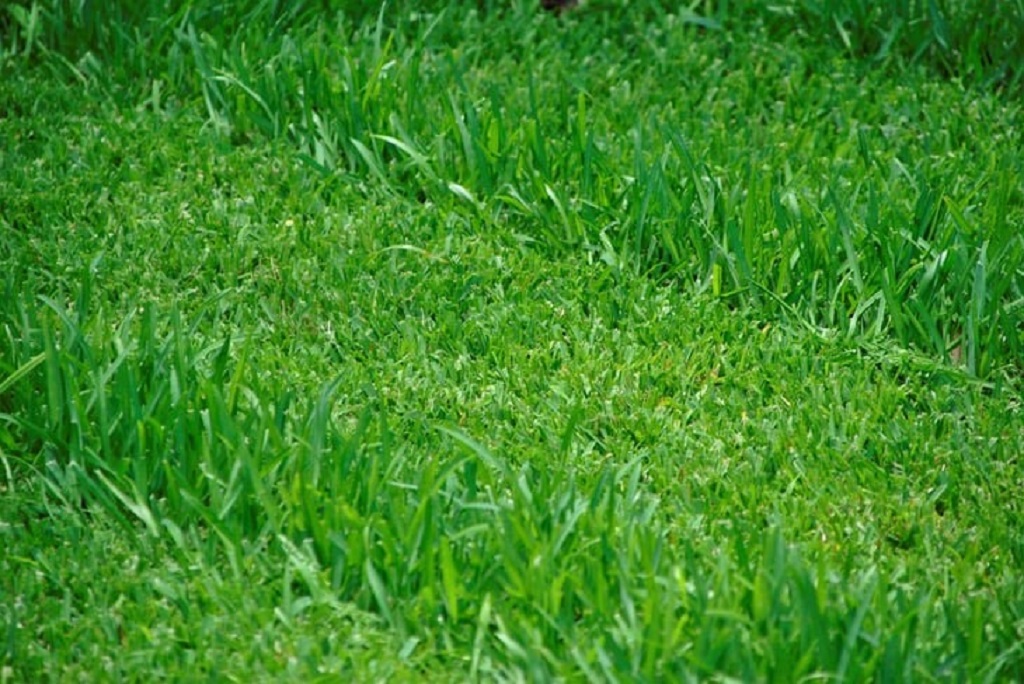
Before diving into solutions, it’s crucial to understand your lawn’s unique needs. Different grass types thrive in different climates and soil conditions. Identifying your grass type is the first step towards effective lawn care.
Cool-season grasses, like Kentucky bluegrass, fescue, and ryegrass, prefer cooler temperatures and are common in northern regions. They thrive in spring and fall, going dormant in the heat of summer.
Warm-season grasses, such as Bermuda grass, Zoysia grass, and St. Augustine grass, flourish in warmer climates and are prevalent in southern regions. They actively grow during the summer months and become dormant in winter.
Once you know your grass type, you can tailor your lawn care practices to its specific requirements. This includes mowing height, watering frequency, and fertilization schedules.
Common Lawn Problems and Solutions
Even with the best intentions, lawns often encounter problems. Here are some common issues and their solutions:
-
Weeds:
Weeds are the bane of every lawn enthusiast’s existence. They compete with grass for nutrients, water, and sunlight, leading to a patchy and unhealthy lawn.
Solutions:
- Pre-emergent herbicides: These prevent weed seeds from germinating. Apply them in early spring or fall, depending on the weed type.
- Post-emergent herbicides: These target existing weeds. Choose a selective herbicide that kills the weeds without harming your grass.
- Hand-pulling: For small infestations, hand-pulling can be effective. Ensure you remove the entire root system to prevent regrowth.
- Mulching: A thick layer of mulch in flower beds can suppress weed growth.
-
Brown Patches:
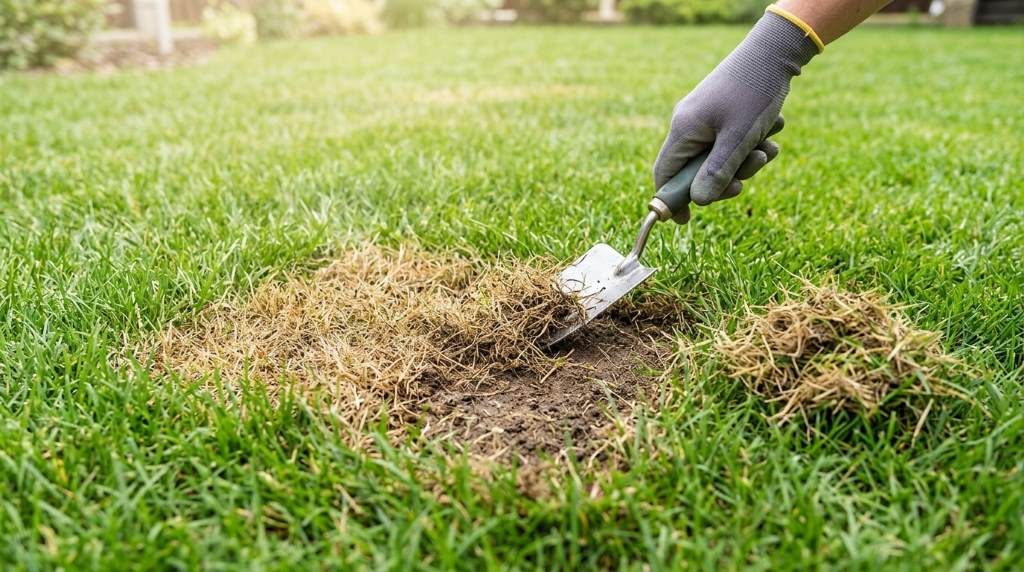
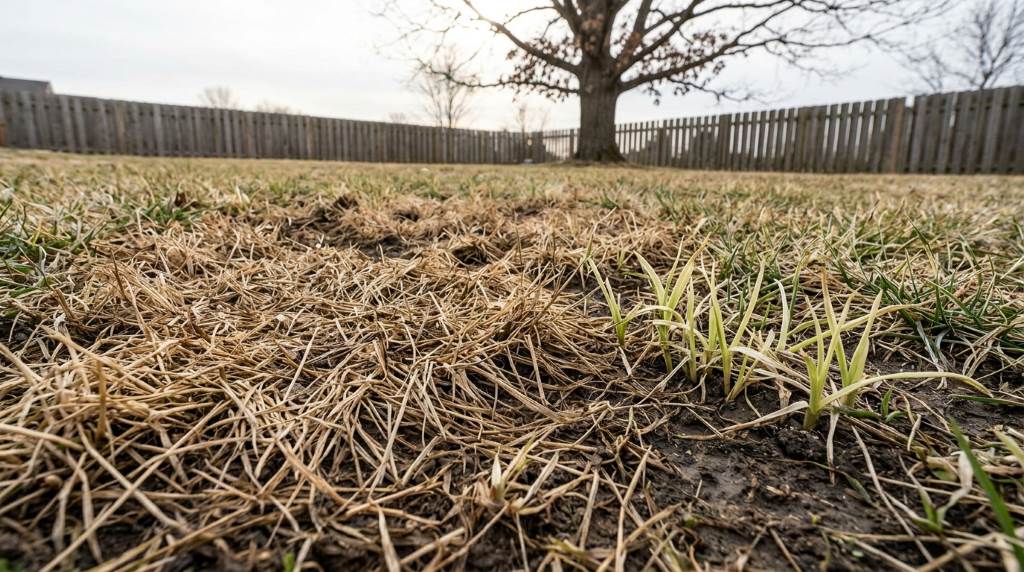
Brown patches can be caused by various factors, including fungal diseases, drought stress, and insect infestations.
Solutions:
- Fungicides: If fungal disease is the culprit, apply a fungicide specifically designed for your grass type.
- Watering: Ensure your lawn receives adequate water, especially during hot and dry periods. Water deeply and infrequently to encourage deep root growth.
- Aeration: Aerating your lawn improves soil drainage and allows for better water and nutrient penetration.
- Dethatching: Thatch is a layer of dead grass and organic matter that accumulates on the soil surface. Excessive thatch can prevent water and nutrients from reaching the roots.
-
Thinning Grass:
Thinning grass can be a result of compaction, poor soil fertility, or improper mowing practices.
Solutions:
- Overseeding: Overseeding involves spreading grass seed over your existing lawn to fill in bare spots and thicken the turf.
- Topdressing: Topdressing with compost or topsoil improves soil fertility and structure.
- Aerating: Aeration helps alleviate soil compaction and promotes root growth.
- Mowing: Mow your lawn at the correct height for your grass type and avoid scalping, which can damage the grass plants.
-
Pests and Diseases:
Various pests and diseases can wreak havoc on your lawn. Common culprits include grubs, chinch bugs, and brown patch fungus.
Solutions:
- Pest control: If you suspect a pest infestation, consult a professional for proper identification and treatment options.
- Disease control: For fungal diseases, apply a fungicide as recommended.
- Cultural practices: Maintaining a healthy lawn through proper watering, fertilization, and mowing can help prevent pest and disease problems.
Grass Tastic: A Review
Navigating the world of lawn care can be overwhelming, especially with the abundance of products available. One product that has gained popularity is “Grass Tastic.” But does it live up to the hype? Let’s delve into a comprehensive review.
What is Grass Tastic?
Grass Tastic is a lawn care product line that claims to provide a comprehensive solution for achieving a lush, green lawn. The product line includes:
- Grass Tastic Seed: A blend of high-quality grass seed formulated for different regions and grass types.
- Grass Tastic Fertilizer: A slow-release fertilizer that provides essential nutrients for healthy grass growth.
- Grass Tastic Weed Control: A selective herbicide that targets weeds without harming your grass.
Pros:
- Convenience: Grass Tastic offers a one-stop shop for lawn care needs, eliminating the need to purchase separate products.
- Effectiveness: Many users report positive results, with thicker, greener lawns and fewer weeds.
- Ease of use: The products are designed for easy application, even for novice gardeners.
Cons:
- Price: Grass Tastic products can be more expensive than other brands.
- Availability: The product line may not be available in all regions.
- Specific needs: While Grass Tastic offers a general solution, it may not address specific lawn problems.
Overall:
Grass Tastic can be a valuable tool for achieving a healthy lawn, especially for those seeking a convenient and effective solution. However, it’s essential to consider your lawn’s specific needs and budget before investing in the product line.
User Reviews:
- “I’ve been using Grass Tastic for two years now, and my lawn has never looked better. It’s thicker, greener, and weed-free.” – John S.
- “I was skeptical at first, but Grass Tastic really works! My lawn is the envy of the neighborhood.” – Sarah M.
- “The products are easy to use, and I’ve seen a significant improvement in my lawn’s health.” – David L.
Choosing the Right Grass Tastic Product
Grass Tastic offers a range of products tailored to different needs. Here’s a guide to help you choose the right one for your lawn:
- Grass Tastic Seed:
- Consider your region and grass type: Choose a seed blend that’s appropriate for your climate and soil conditions.
- Assess your lawn’s needs: If you’re starting a new lawn, choose a seed mix designed for new lawns. For overseeding, opt for a mix that complements your existing grass type.
- Grass Tastic Fertilizer:
- Analyze your soil: A soil test can help you determine your lawn’s nutrient needs.
- Choose the right formulation: Grass Tastic offers different fertilizer formulations for different grass types and seasons.
- Grass Tastic Weed Control:
- Identify your weeds: Different herbicides target different weed types. Choose a product that’s effective against the weeds in your lawn.
- Consider the timing: Apply pre-emergent herbicides before weeds germinate and post-emergent herbicides after weeds have emerged.
Beyond Grass Tastic: Additional Lawn Care Tips
While Grass Tastic can be a valuable tool, achieving a truly “grass-tastic” lawn requires a holistic approach. Here are some additional tips:
-
Mowing:
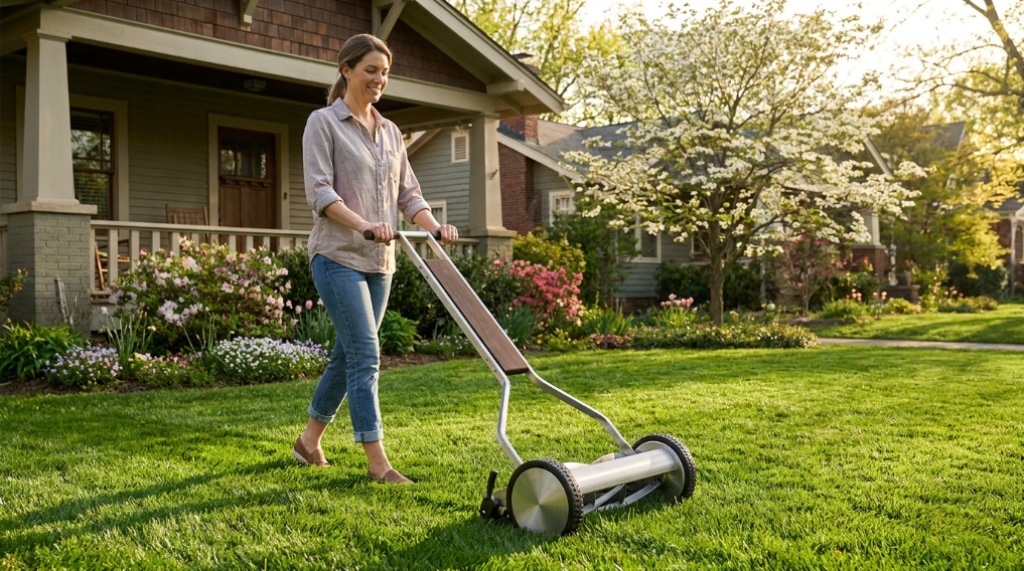
- Mow high: Mowing at the correct height for your grass type promotes healthy growth and helps shade out weeds.
- Sharpen your blades: Sharp mower blades make clean cuts, reducing stress on the grass plants.
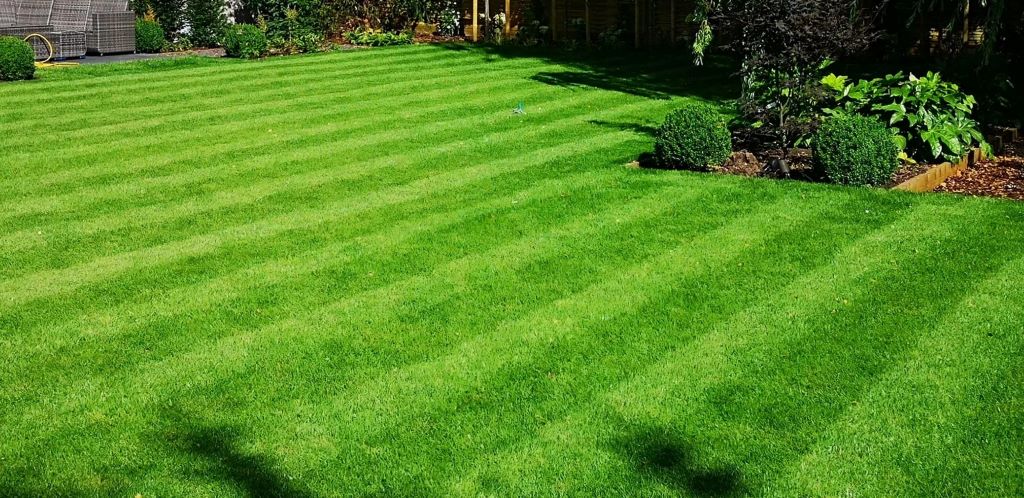
- Vary your mowing pattern: Avoid mowing in the same direction each time to prevent soil compaction and wear patterns.
-
Watering:
- Water deeply and infrequently: This encourages deep root growth and drought tolerance.
- Water early in the morning: This allows the water to soak into the soil before it evaporates.
- Avoid overwatering: Overwatering can lead to fungal diseases and root rot.
-
Fertilizing:
- Soil test: A soil test can help you determine your lawn’s nutrient needs and prevent over-fertilization.
- Choose the right fertilizer: Use a slow-release fertilizer that provides a steady supply of nutrients.
- Apply fertilizer at the right time: Follow the recommended fertilization schedule for your grass type.
-
Aerating and Dethatching:
- Aerate annually: Aeration improves soil drainage and allows for better water and nutrient penetration.
- Dethatch as needed: Dethatching removes excessive thatch, which can prevent water and nutrients from reaching the roots.
-
Overseeding:
- Overseed in the fall: Fall is the ideal time to overseed cool-season grasses.
- Choose the right seed: Select a seed mix that complements your existing grass type.
- Prepare the soil: Loosen the soil and rake away debris before overseeding.
Read More Also: 7 Easy Steps for Eco-Friendly Lawn Care
Frequently Asked Questions (FAQ)
-
How often should I water my lawn?
The watering frequency depends on your grass type, soil conditions, and weather. Generally, water deeply and infrequently, allowing the soil to dry out slightly between waterings.
-
When should I fertilize my lawn?
The ideal fertilization schedule varies depending on your grass type and the fertilizer you’re using. Consult the fertilizer’s instructions and consider your lawn’s specific needs.
-
How do I get rid of weeds in my lawn?
A combination of pre-emergent and post-emergent herbicides, hand-pulling, and mulching can effectively control weeds.
-
What is the best way to mow my lawn?
Mow high, sharpen your blades, and vary your mowing pattern to promote a healthy lawn.
-
How can I prevent brown patches in my lawn?
Ensure your lawn receives adequate water, aerate regularly, and apply fungicides if necessary.
-
What is the best time to overseed my lawn?
Fall is the ideal time to overseed cool-season grasses. Spring is the best time for warm-season grasses.
-
How can I improve the soil in my lawn?
Topdressing with compost or topsoil and aerating can improve soil fertility and structure.
-
What are some common lawn pests and diseases?
Common lawn pests include grubs, chinch bugs, and sod webworms. Common lawn diseases include brown patch, dollar spot, and powdery mildew.
-
How can I prevent lawn diseases?
Maintaining a healthy lawn through proper watering, fertilization, and mowing can help prevent diseases.
-
Where can I buy Grass Tastic products?
Grass Tastic products may be available at your local garden center or home improvement store. You can also purchase them online.
Read More Also: Battling Weeds: Organic and Sustainable Control Methods
Conclusion
Achieving a lush, green lawn requires knowledge, effort, and the right tools. By understanding your lawn’s needs, addressing common problems, and adopting a holistic approach to lawn care, you can unlock the secrets to a “grass-tastic” lawn that’s the envy of the neighborhood.
Grass Tastic products can be a valuable asset in your lawn care arsenal, offering convenience and effectiveness. However, remember that every lawn is unique, and a personalized approach is crucial for optimal results.
By incorporating the tips and solutions outlined in this guide, you can transform your lawn into a vibrant oasis that enhances your home’s beauty and provides a welcoming space for relaxation and recreation. So, embrace the journey to “grass-tastic” and enjoy the rewards of a healthy, thriving lawn!
Read More:
Top Dressing Lawn: How and Why