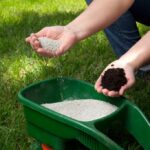

A lush, healthy lawn isn’t just a matter of good grass seeds and a bit of water. Fertilizer plays a crucial role in ensuring your lawn stays green, strong, and vibrant throughout the year. But when is the best time to apply lawn fertilizer? Knowing the right timing can make all the difference between a flourishing lawn and one that’s undernourished and struggling. In this article, we’ll explore the optimal times for applying lawn fertilizer, backed by expert advice, statistics, and real-world examples. We’ll also provide tips, reviews, and answers to frequently asked questions so you can achieve the lawn of your dreams.
Why Timing Matters
Timing is everything when it comes to lawn care, especially when it involves fertilizers. Applying fertilizer at the wrong time can lead to wasted money, an overgrowth of weeds, or even damage to your grass. Conversely, applying it at the right time ensures the nutrients reach the roots when they need them most.
Research shows that the right fertilization schedule can promote healthier grass, prevent diseases, and help the lawn resist drought or other stress factors. The grass’s growth cycle, weather conditions, and soil type all influence the timing of fertilizer application.
Best Time to Apply Lawn Fertilizer in Spring
Spring is one of the most critical times to fertilize your lawn. As the weather warms up, grass begins to come out of dormancy and enters its active growing phase. Experts agree that early spring (March to early April, depending on your region) is the optimal time to fertilize cool-season grasses.
During this period, the soil is still moist, and the grass has started to grow, making it easier for nutrients to be absorbed. Applying fertilizer at this time gives your lawn a jumpstart, helping it develop a robust root system that will sustain it through the summer months.
Tip: If you have warm-season grasses like Bermuda or Zoysia, it’s best to wait until late spring (May or early June) when the soil temperature is above 65°F (18°C). This will ensure the fertilizer is properly absorbed and utilized.
Late Spring and Early Summer Fertilization
In late spring and early summer, your lawn is in full growth mode. Applying a slow-release fertilizer during this period helps maintain steady growth. The soil temperature is warm enough for optimal nutrient absorption, and the grass requires additional nutrients to support its rapid growth.
Fertilizing in late spring also helps your lawn stay green and healthy, even as the weather gets hotter. However, it’s important not to over-fertilize during this time, as it can lead to nutrient runoff, which could harm the environment.
Expert Insight: According to the University of California Agriculture and Natural Resources, applying too much fertilizer in the summer can stress your grass, especially in drought-prone areas. They recommend using a balanced fertilizer with equal parts nitrogen, phosphorus, and potassium.
Fall: A Critical Period for Lawn Fertilization
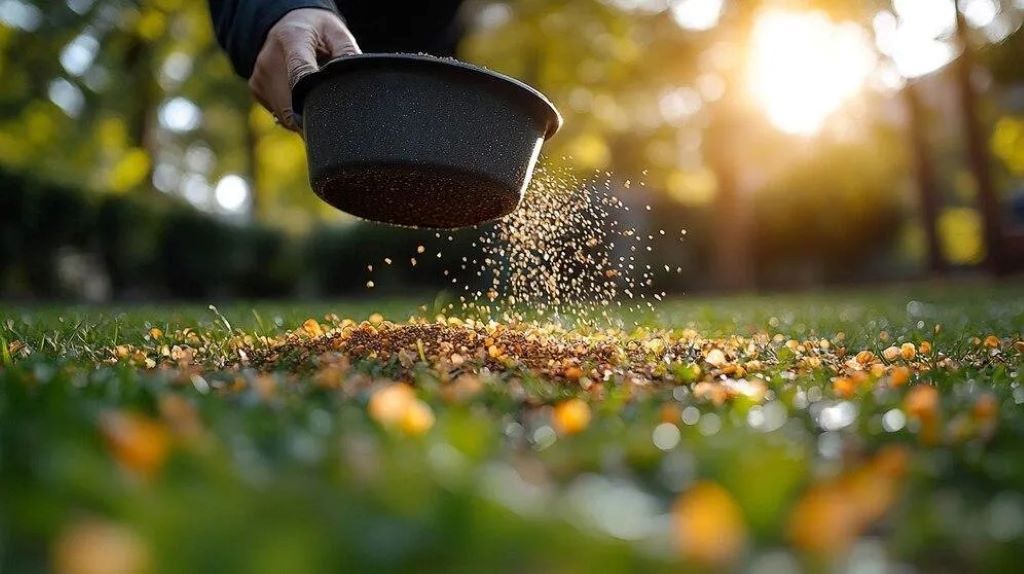
Many people overlook fall as a prime time for fertilization, but it’s actually one of the best times to apply fertilizer for cool-season grasses. Fertilizing in fall, typically from September to November, promotes strong root development and prepares the lawn for the winter months. It also helps your lawn recover from the stresses of summer, such as heat and drought.
Fall fertilization boosts grass health during the cooler months, ensuring it remains robust and resilient for the following spring. Moreover, the cooler temperatures and frequent rain provide the perfect environment for the fertilizer to work.
Statistical Insight: According to the Lawn Care Academy, fall fertilization can reduce the need for spring fertilizer applications by 50%. This makes it a cost-effective and efficient strategy for maintaining a healthy lawn year-round.
Avoid Fertilizing in Winter or During Drought Conditions
Applying fertilizer in the winter is generally not recommended, as grass is dormant and not actively growing. Additionally, fertilizers may not break down properly in freezing temperatures, making them ineffective. The same applies to extreme drought conditions, where the lack of water prevents proper nutrient absorption.
However, if you live in a region with mild winters, you can apply a winterizer fertilizer designed for cooler temperatures. These fertilizers are specially formulated to strengthen grass roots and prepare them for the next growing season.
Special Tips for Different Lawn Types
-
Cool-Season Grasses: If your lawn consists of cool-season grasses such as Kentucky bluegrass, fescue, or ryegrass, fertilizing in early spring and fall is the best strategy. Cool-season grasses grow most actively in these cooler periods, and they require additional nutrients to maintain optimal health.
-
Warm-Season Grasses: Warm-season grasses, like Bermuda and St. Augustine, thrive in warmer temperatures. The best time to fertilize these grasses is in late spring or early summer when the weather consistently warms up. Fertilizing in late summer can also give your lawn the nutrients it needs to withstand the stress of fall and winter.
Fertilizer Application Frequency
In addition to knowing when to apply fertilizer, it’s essential to understand how often you should do so. Over-fertilizing can lead to nutrient imbalances, burn the grass, or cause excessive growth that weakens the grass.
Most lawns benefit from 2-4 applications of fertilizer per year. A general rule of thumb is:
-
Early Spring: Apply a balanced fertilizer to promote growth.
-
Late Spring: Apply a slow-release nitrogen fertilizer.
-
Early Fall: Use a fertilizer high in potassium to help the lawn prepare for winter.
-
Late Fall: Apply a winterizer fertilizer to ensure your lawn survives the colder months.
Frequently Asked Questions (FAQs)
1. Can I apply fertilizer during a heatwave?
It’s best to avoid applying fertilizer during a heatwave, as high temperatures can stress your lawn. Fertilizer can also increase the risk of burning your grass.
2. Should I water my lawn before or after fertilizing?
Water your lawn lightly before fertilizing to help the nutrients penetrate the soil. After applying the fertilizer, water the lawn again to activate the fertilizer and ensure it reaches the roots.
3. Is organic fertilizer better than synthetic?
Both organic and synthetic fertilizers have their pros and cons. Organic fertilizers improve soil health in the long term, while synthetic fertilizers provide immediate results. The choice depends on your lawn’s needs and your environmental preferences.
4. What’s the best fertilizer for my lawn?
The best fertilizer for your lawn depends on the grass type and the season. Look for a balanced fertilizer with the right ratio of nitrogen, phosphorus, and potassium for your lawn’s needs.
5. Can I apply too much fertilizer?
Yes, over-fertilizing can cause nutrient burn, stress the grass, and promote weed growth. Always follow the recommended application rate.
6. How do I know when my lawn needs fertilizer?
Signs that your lawn needs fertilizer include yellowing grass, stunted growth, or poor root development. Healthy lawns typically have a rich, deep green color.
7. Can I apply fertilizer in the winter?
Only apply winterizer fertilizers in mild climates during the late fall to early winter months. Avoid fertilizing when the lawn is dormant.
Conclusion
Timing your lawn fertilization is critical for achieving the best results. Whether you’re fertilizing in the spring to kickstart growth or in the fall to prepare your lawn for the winter, each season offers unique benefits. Understanding when and how to apply fertilizer based on your grass type, soil conditions, and climate will help ensure your lawn remains lush and healthy year-round.
By following expert advice and using the right products, you can transform your lawn into a vibrant outdoor oasis.
Featured Snippet: When is the Best Time to Apply Lawn Fertilizer?
The best time to apply lawn fertilizer depends on the type of grass and climate. For cool-season grasses, early spring and fall are ideal, while warm-season grasses thrive with fertilization in late spring or early summer. Always avoid fertilizing during extreme heat or winter.
Read More: How to Fix a Patchy Lawn: A Comprehensive Guide to Revitalizing Your Yard