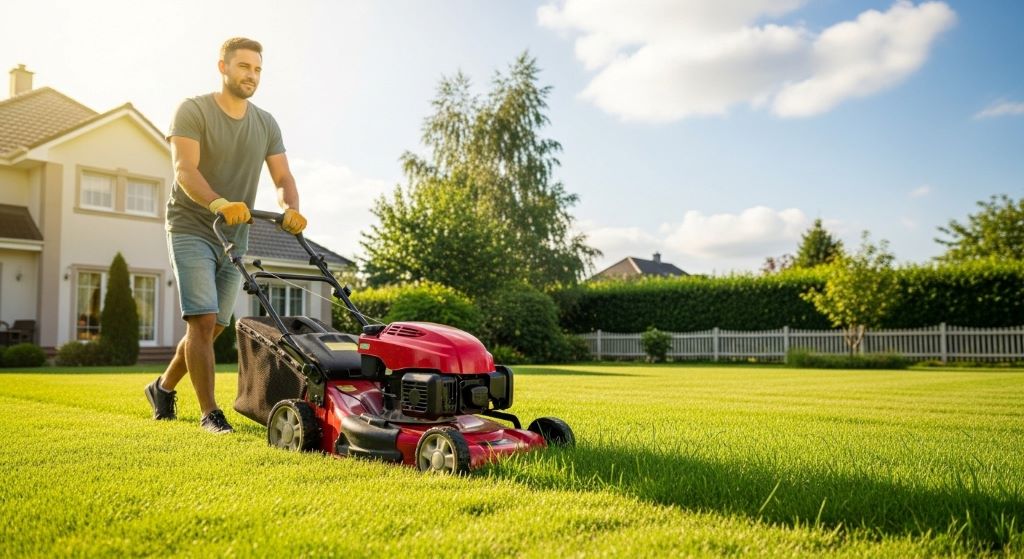

A healthy, vibrant lawn requires regular care and attention throughout the year. Lawn maintenance encompasses various tasks that keep grass thriving, prevent weeds, and create an attractive outdoor space. Understanding proper maintenance schedules helps homeowners achieve professional-looking results without wasting time or resources.
Understanding Lawn Maintenance Basics
Lawn maintenance includes all activities necessary to keep grass healthy and attractive. These tasks range from simple mowing to complex fertilization schedules. Additionally, proper maintenance prevents costly problems like disease, pest infestations, and bare patches.
Regular maintenance saves money over time by preventing major lawn renovations. A well-maintained lawn also increases property value and curb appeal. Therefore, investing time in proper care yields significant returns for homeowners.
Core Components of Lawn Maintenance
Mowing
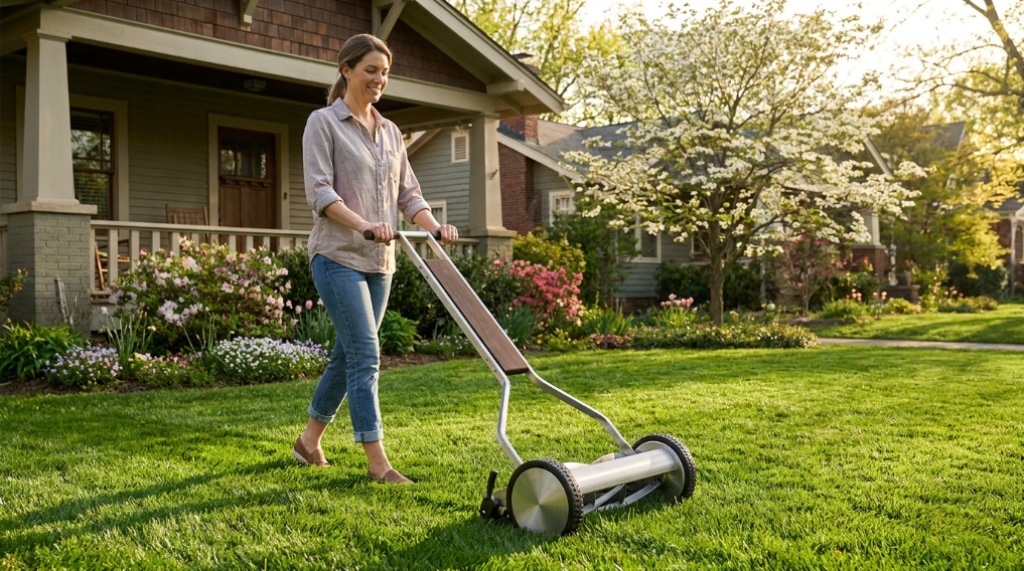
Mowing represents the most frequent lawn maintenance task. Cutting grass at proper heights encourages healthy root development and prevents weed establishment. Different grass types require specific mowing heights for optimal health.
Cool-season grasses like Kentucky bluegrass should be maintained at 2.5 to 3.5 inches. Warm-season varieties such as Bermuda grass thrive at 1 to 2 inches. However, never remove more than one-third of the grass blade in a single mowing session.
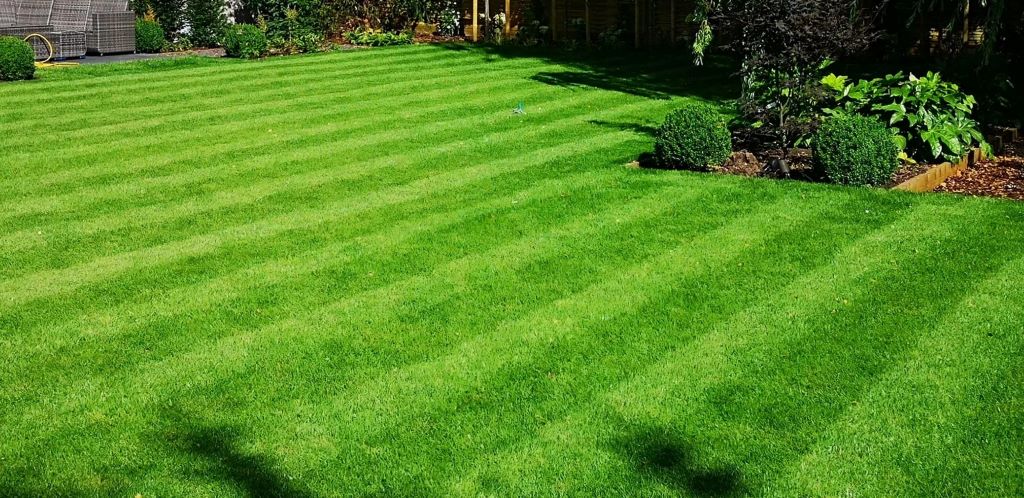
Sharp mower blades create clean cuts that heal quickly. Dull blades tear grass, creating entry points for disease and pests. Moreover, alternating mowing patterns prevents soil compaction and creates attractive striping effects.
Watering
Proper watering maintains lawn health during dry periods. Most established lawns need approximately one inch of water weekly, including rainfall. Deep, infrequent watering encourages deeper root growth than frequent shallow watering.
Early morning watering reduces evaporation and prevents fungal diseases. Water between 4 AM and 10 AM for best results. Additionally, watering during cooler hours minimizes water waste and maximizes soil absorption.
Signs of underwatering include footprints remaining visible on the lawn and grass blades folding or wilting. Overwatering causes shallow roots, fungal growth, and wasted resources. Therefore, monitoring soil moisture helps determine actual watering needs.
Fertilization
Fertilization provides essential nutrients that grass cannot obtain from soil alone. Nitrogen, phosphorus, and potassium form the foundation of lawn fertilizers. Each nutrient serves specific functions in plant growth and health.
Nitrogen promotes green color and blade growth. Phosphorus supports root development and stress tolerance. Meanwhile, potassium strengthens disease resistance and drought tolerance. Balanced fertilizers contain appropriate ratios for different growth stages.
Soil testing reveals existing nutrient levels and pH balance. Tests eliminate guesswork and prevent over-fertilization that wastes money and harms the environment. Additionally, knowing soil composition allows targeted amendments for optimal results.
Weed Control
Weeds compete with grass for nutrients, water, and sunlight. Preventive measures work more effectively than reactive treatments. Dense, healthy grass naturally crowds out most weed species through competition.
Pre-emergent herbicides prevent weed seeds from germinating. These products work best when applied before soil temperatures trigger germination. However, timing varies by region and target weed species.
Post-emergent herbicides kill established weeds but require careful application. Spot treatments minimize chemical use while addressing problem areas. Moreover, hand-pulling remains effective for small infestations without chemical intervention.
Aeration
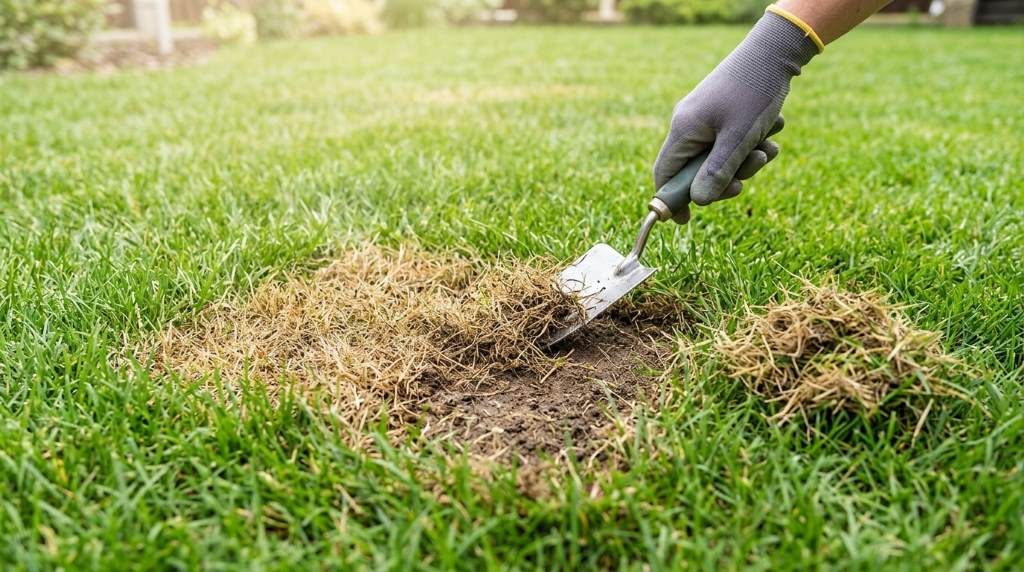
Aeration relieves soil compaction that restricts root growth and water penetration. Core aerators remove small soil plugs, creating channels for air and nutrients. This process significantly improves lawn health in high-traffic areas.
Compacted soil prevents grass roots from accessing necessary resources. Additionally, poor drainage from compaction creates ideal conditions for moss and fungal diseases. Therefore, regular aeration maintains optimal growing conditions.
Dethatching
Thatch consists of dead grass stems, roots, and debris accumulating between soil and living grass. Thin thatch layers protect soil and insulate roots. However, excessive thatch exceeding half an inch blocks water and nutrient penetration.
Power rakes or dethatching machines remove excess thatch buildup. This process should occur during active growth periods when grass recovers quickly. Additionally, proper fertilization and watering practices prevent excessive thatch accumulation.
Seasonal Lawn Maintenance Schedule
Spring Maintenance Tasks
Spring marks the beginning of active lawn care season. Cool-season grasses emerge from dormancy, requiring immediate attention. Warm-season varieties need different timing based on soil temperature.
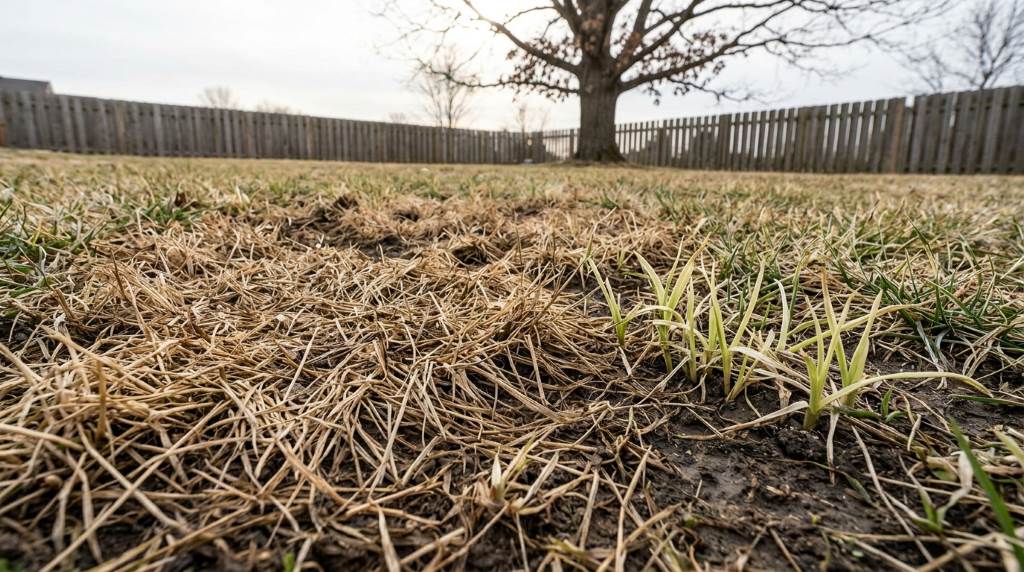
Rake debris and dead grass accumulated during winter. Remove leaves, twigs, and other materials smothering new growth. Additionally, inspect for winter damage requiring repair or overseeding.
Apply pre-emergent herbicides before soil temperatures reach 55 degrees Fahrenheit. This timing prevents summer annual weeds like crabgrass. However, pre-emergents also prevent grass seed germination for several weeks.
According to This Old House, fertilizing should begin when grass shows active growth, typically when forsythia bushes bloom in your area.
Sharpen mower blades before the first cut of the season. Begin mowing when grass reaches one-third above desired height. Moreover, gradually lower cutting height over several mowing sessions rather than cutting drastically.
Summer Maintenance Requirements
Summer maintenance focuses on stress management during heat and drought. Adjust mowing height upward by half an inch to shade roots and conserve moisture. Higher grass blades also shade soil, reducing weed seed germination.
Water deeply but infrequently during dry periods. Apply one inch of water weekly through irrigation or rainfall. Additionally, allow grass to enter dormancy during extreme drought rather than forcing growth through excessive watering.
Monitor for pest problems including grubs, chinch bugs, and army worms. Early detection allows targeted treatments before significant damage occurs. Therefore, regular lawn inspections identify problems quickly.
Avoid fertilizing during extreme heat unless using specialized slow-release summer formulations. High nitrogen levels during stress periods harm grass more than helping. However, light applications maintain color without forcing excessive growth.
Fall Maintenance Priorities
Fall represents the most important season for cool-season lawn care. Moderate temperatures and increased rainfall create ideal growing conditions. Additionally, weed competition decreases as annual weeds die.
Aerate lawns in early fall when grass actively grows. Core aeration combined with overseeding fills thin areas and improves density. Moreover, aerating before winter improves spring emergence.
Apply fall fertilizer with higher potassium content for winter hardiness. This feeding strengthens roots and stores energy for spring growth. However, avoid excessive nitrogen that promotes blade growth vulnerable to winter damage.
Continue mowing until grass stops growing. Gradually lower cutting height for the final mowing to reduce snow mold risk. Additionally, remove fallen leaves promptly to prevent smothering grass.
Winter Maintenance Considerations
Winter lawn maintenance remains minimal in most climates. Avoid walking on frozen grass that breaks easily under foot traffic. Additionally, redirect traffic from dormant lawns whenever possible.
Mark driveways and paths clearly to prevent snowplow damage to lawn edges. Salt alternatives protect grass from deicing chemical damage. Moreover, shoveling snow onto lawns creates compaction problems.
Review the previous season’s results and plan improvements. Order supplies and schedule equipment maintenance for spring. Therefore, winter planning ensures readiness when growing season arrives.
Maintenance Frequency Guidelines
Weekly Tasks
Mowing typically occurs weekly during peak growing seasons. However, growth rates vary by temperature, rainfall, and fertilization. Some weeks may require twice-weekly mowing, while others need no cutting.
Weekly inspections identify emerging problems before they escalate. Walk the lawn looking for discoloration, pest damage, or disease symptoms. Additionally, check irrigation system function and coverage patterns.
Monthly Tasks
Apply fertilizer according to product recommendations, typically every 6-8 weeks during growing season. However, slow-release formulations may extend intervals to 10-12 weeks. Always follow label instructions for application rates.
Edge along hardscapes monthly to maintain crisp borders. Trim grass encroaching on sidewalks, driveways, and flower beds. Moreover, edging prevents grass from invading adjacent areas.
Seasonal Tasks
Aerate lawns once or twice annually depending on soil type and traffic levels. Clay soils benefit from twice-yearly aeration, while sandy soils need less frequent treatment. Additionally, high-traffic areas may require extra attention.
Soil testing every 2-3 years guides fertilization and amendment decisions. Test results remain valid for several years unless significant changes occur. Therefore, regular testing optimizes maintenance programs.
Overseed thin areas during optimal growing periods. Cool-season lawns benefit from fall overseeding, while warm-season varieties respond better to late spring seeding. However, proper soil preparation ensures successful establishment.
Professional vs. DIY Maintenance
When to Hire Professionals
Complex tasks like large-scale aeration or pest identification benefit from professional expertise. Additionally, commercial-grade equipment produces superior results for certain maintenance activities. Professionals also provide valuable diagnostic services for persistent problems.
Time-constrained homeowners often prefer professional maintenance services. Regular service contracts ensure consistent care throughout the season. Moreover, professionals understand local climate challenges and appropriate timing.
DIY Maintenance Benefits
Homeowners who enjoy outdoor work save significant money through DIY maintenance. Additionally, personal attention to detail often exceeds hired service quality. Learning proper techniques provides satisfaction and long-term knowledge.
Basic equipment investments pay for themselves within one or two seasons. Push mowers, spreaders, and sprinklers cost less than annual service contracts. Therefore, DIY maintenance suits budget-conscious homeowners willing to invest time.
According to HGTV, homeowners can successfully maintain their lawns with proper education and consistent effort throughout the growing season.
Common Lawn Maintenance Mistakes
Cutting Too Short
Scalping grass weakens plants and encourages weed establishment. Cutting below recommended heights stresses grass and reduces photosynthesis capacity. Additionally, short grass develops shallow roots vulnerable to drought stress.
Overwatering
Excessive watering creates shallow root systems and fungal disease conditions. Wet soil suffocates roots and promotes thatch buildup. Moreover, overwatering wastes resources and increases maintenance costs.
Fertilizing Incorrectly
Applying too much fertilizer burns grass and pollutes waterways. Under-fertilizing produces thin, weak lawns susceptible to weeds and disease. Therefore, following soil test recommendations optimizes results while protecting the environment.
Ignoring Problems
Small issues become major headaches when ignored. Early intervention prevents expensive repairs and complete lawn renovations. Additionally, proactive maintenance costs less than reactive treatments.
Conclusion
Lawn maintenance encompasses regular tasks including mowing, watering, fertilizing, and weed control performed throughout the growing season. Most activities occur weekly or monthly, while others happen seasonally based on grass needs. Therefore, successful lawn care requires consistent attention rather than sporadic intensive efforts. Understanding proper maintenance frequency helps homeowners create beautiful, healthy lawns that enhance property value and provide enjoyable outdoor spaces. By following appropriate schedules and techniques, anyone can achieve professional-quality results through dedicated care.
Frequently Asked Questions
What is included in basic lawn maintenance?
Basic lawn maintenance includes mowing, watering, fertilizing, weed control, and edging. These core tasks keep grass healthy and attractive throughout the growing season. Additionally, seasonal activities like aeration and overseeding improve long-term lawn quality.
How often should I mow my lawn?
Mow weekly during peak growing season when grass grows actively. However, frequency varies by grass type, weather conditions, and fertilization. Never remove more than one-third of grass blade height in a single mowing session.
How frequently should lawns be fertilized?
Most lawns require fertilization 3-4 times yearly during the growing season. Cool-season grasses need heavier fall feeding, while warm-season varieties prefer summer applications. However, soil testing provides specific recommendations for your property.
Is professional lawn maintenance worth the cost?
Professional maintenance suits homeowners lacking time, equipment, or interest in DIY care. Services typically cost $50-200 monthly depending on property size and services included. However, DIY maintenance saves money while providing personal satisfaction.
What time of year requires the most lawn maintenance?
Spring and fall demand the most maintenance for cool-season grasses, while summer peaks for warm-season varieties. These periods involve frequent mowing, fertilizing, and problem-solving. However, consistent year-round attention prevents major issues requiring intensive intervention.
Related Topics:
What is the Best Time to Apply Lawn Fertilizer?