
Imagine stepping into your vegetable garden and being greeted not only by thriving tomatoes and crisp lettuce—but also by the invigorating scent of fresh basil, rosemary, and mint. What if those fragrant herbs weren’t just for your kitchen, but were actively improving your garden’s health, deterring pests, enriching soil, and increasing yields?
If you’ve been wondering what herbs are good for vegetable garden success, you’re about to discover how the right herbs can transform your growing space into a balanced, productive ecosystem.
This comprehensive guide explores the best herbs for vegetable gardens, how they support companion planting, improve soil health, attract beneficial insects, and naturally repel pests. Whether you’re a beginner gardener or refining an established vegetable patch, this article will help you build a smarter, more resilient garden.
Why Plant Herbs in a Vegetable Garden?
Before diving into specific herbs, it’s important to understand why they belong in your vegetable garden in the first place.
Herbs can:
- Repel harmful insects naturally
- Attract pollinators and beneficial insects
- Improve soil structure and fertility
- Enhance the flavor of nearby vegetables
- Serve as ground cover or living mulch
- Provide fresh culinary and medicinal uses
This concept—known as companion planting—leverages plant relationships to reduce chemical inputs and increase overall productivity.
Now let’s explore the best herbs for vegetable gardens and how to use them effectively.
-
Basil – A Tomato’s Best Friend
Basil is one of the most popular companion herbs for vegetables—especially tomatoes.
Why Basil Is Good for Vegetable Gardens:
- Repels aphids, whiteflies, and hornworms
- Attracts pollinators
- May enhance tomato flavor
- Grows compactly between vegetable rows
Best Companion Vegetables:
- Tomatoes
- Peppers
- Eggplant
- Asparagus
Basil thrives in warm weather and full sun, making it ideal for summer vegetable gardens. Plant it near tomato plants for a classic and beneficial pairing.
-
Rosemary – Natural Pest Deterrent
Rosemary is a hardy perennial herb that offers powerful pest-repelling properties.
Benefits:
- Repels cabbage moths and carrot flies
- Drought-tolerant
- Attracts bees
- Requires minimal maintenance
Ideal Companion Crops:
- Cabbage
- Broccoli
- Carrots
- Beans
Rosemary prefers well-drained soil and full sun. Because it grows woody and bushy, plant it along garden borders to maximize space.
-
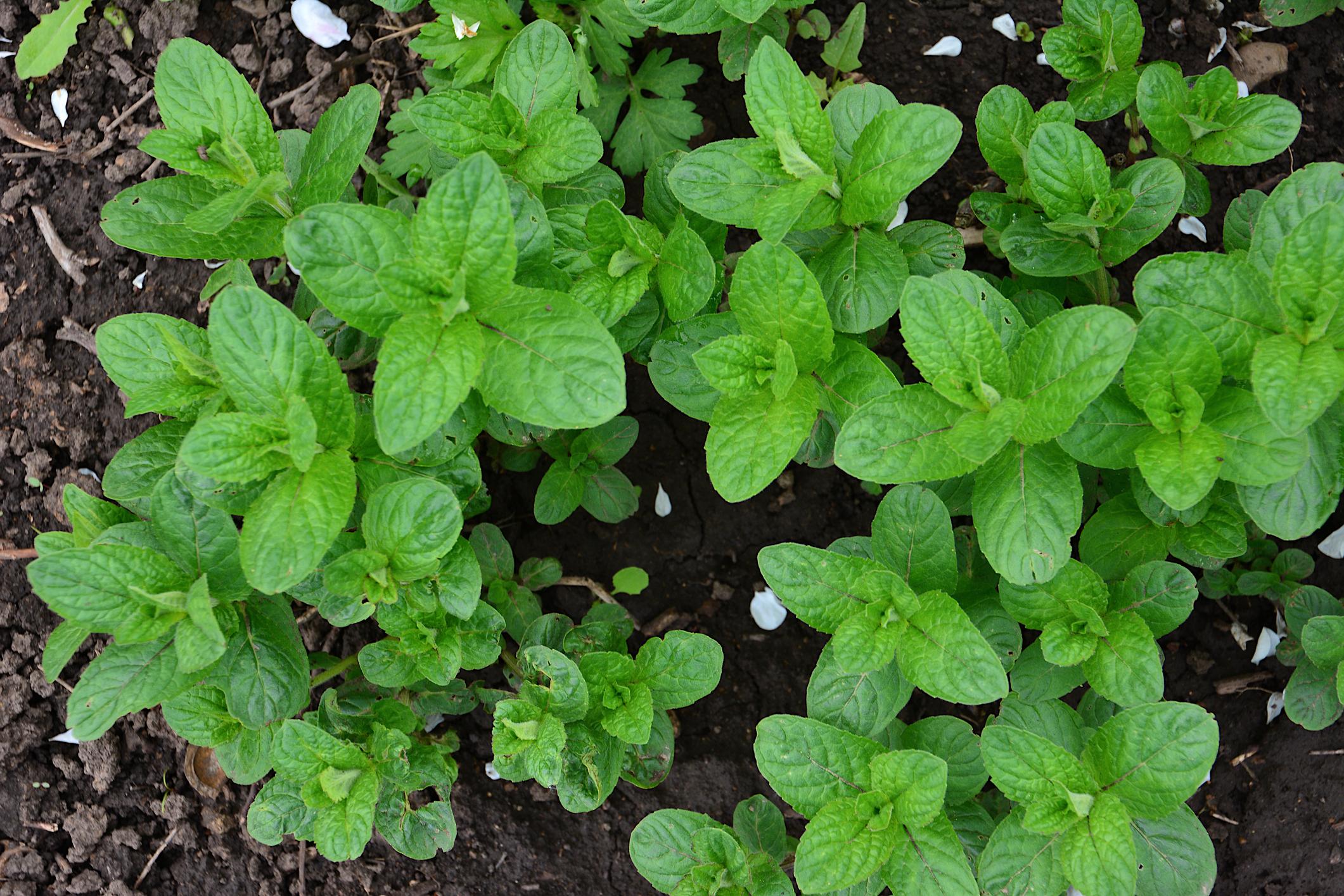
Mint – Powerful but Needs Control
Mint is highly aromatic and effective at deterring pests—but it spreads aggressively.
Garden Benefits:
- Repels ants, flea beetles, and cabbage moths
- Attracts beneficial insects
- Strong fragrance masks vegetable scents
Best Pairings:
- Cabbage
- Kale
- Tomatoes
⚠ Important: Always grow mint in containers to prevent it from overtaking your vegetable beds.
-
Thyme – Living Ground Cover
Thyme is a low-growing herb that works well as living mulch.
Why It’s Valuable:
- Suppresses weeds
- Retains soil moisture
- Attracts pollinators
- Repels cabbage worms
Companion Vegetables:
- Strawberries
- Cabbage
- Tomatoes
Thyme thrives in sunny, well-drained locations and requires little watering once established.
-
Dill – Beneficial Insect Magnet
Dill is one of the best herbs for attracting beneficial insects.
Advantages:
- Attracts ladybugs and parasitic wasps
- Improves cucumber growth
- Supports biodiversity
Ideal Pairings:
- Cucumbers
- Lettuce
- Onions
Let some dill plants flower to maximize their ability to attract pollinators and predatory insects.
-
Chives – Natural Fungal Protection
Chives belong to the allium family and provide natural disease resistance.
Benefits:
- Repel aphids and Japanese beetles
- Help prevent fungal diseases
- Enhance nearby vegetable flavor
Best Companions:
- Tomatoes
- Carrots
- Roses (if near garden borders)
Chives are perennial and return year after year, making them a low-maintenance addition.
-
Oregano – Strong Pest Repellent
Oregano spreads as ground cover and emits a strong aroma that deters pests.
Garden Benefits:
- Repels cucumber beetles
- Attracts pollinators
- Protects peppers and squash
Oregano thrives in full sun and well-drained soil.
-
Parsley – Butterfly-Friendly Herb
Parsley is both culinary and ecologically beneficial.
Benefits:
- Attracts swallowtail butterflies
- Enhances the growth of tomatoes and carrots
- Adds diversity to planting beds
Parsley grows well in partial sun and moist soil conditions.
How to Use Herbs Strategically in Vegetable Gardens
To maximize results, use these strategies:
- Interplanting
Plant herbs between vegetable rows to improve pest resistance and biodiversity.
- Border Planting
Use rosemary or oregano as border plants for pest control.
- Container Placement
Keep invasive herbs like mint in pots near vulnerable vegetables.
- Succession Planting
Rotate herbs seasonally to maintain soil vitality.
Herbs That Improve Soil Health
Certain herbs contribute to long-term soil improvement:
- Dill and parsley add organic matter when composted
- Chives improve microbial diversity
- Thyme reduces soil erosion
Integrating herbs into your vegetable gardening system supports sustainable gardening practices.
Herbs to Avoid Near Certain Vegetables
Not all herbs pair well with every vegetable.
- Dill may stunt carrot growth if mature
- Mint can overwhelm small crops
- Rosemary may inhibit moisture-loving plants
Always research specific companion planting combinations before planting.
Frequently Asked Questions (FAQs)
- What is the best herb to plant in a vegetable garden?
Basil is often considered the best overall herb due to its pest-repelling qualities and compatibility with tomatoes and peppers.
- Can I plant herbs directly in vegetable beds?
Yes, most herbs grow well directly in vegetable beds, but aggressive spreaders like mint should be container-grown.
- Do herbs really repel pests?
Yes. Many aromatic herbs release volatile oils that deter harmful insects while attracting beneficial predators.
- Which herbs attract pollinators?
Dill, thyme, oregano, and rosemary are excellent for attracting bees and beneficial insects.
- Should herbs be planted in sun or shade?
Most herbs prefer full sun (6–8 hours daily), though parsley and mint tolerate partial shade.
Final Thoughts: Build a Smarter, Healthier Garden
If you’ve been asking, “What herbs are good for vegetable garden success?”—the answer is clear: herbs are more than flavor enhancers. They are powerful allies in natural pest control, soil improvement, pollinator attraction, and sustainable gardening.
By strategically incorporating basil, rosemary, thyme, dill, chives, oregano, and parsley into your vegetable beds, you can create a thriving ecosystem that reduces reliance on chemicals and increases harvest yields.
Ready to Transform Your Garden?
Start small. Choose 2–3 companion herbs that align with your current vegetable crops. Observe how they interact. Experiment with placement. With time, your vegetable garden will become more resilient, productive, and naturally balanced.
🌱 Take action today—plant one herb alongside your vegetables this season and experience the difference firsthand.