

Purple fountain grass is one of the most striking ornamental plants you can grow. Its deep burgundy blades and feathery plumes sway gracefully in the breeze. It adds bold color and texture to any garden or landscape. However, like any plant, it needs the right care to truly thrive. This guide covers everything you need to know to keep your purple fountain grass healthy, vibrant, and beautiful for years to come.
What Is Purple Fountain Grass?
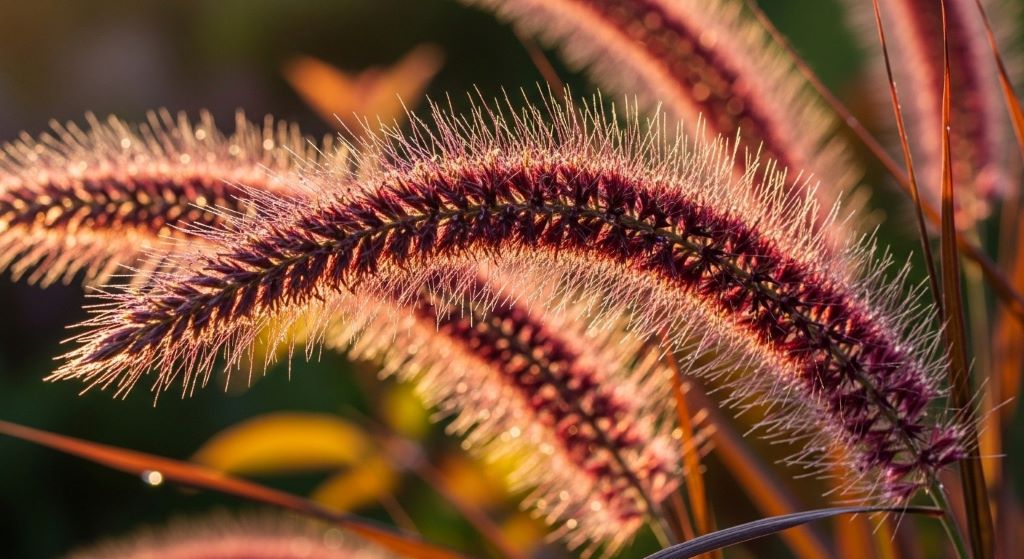
Purple fountain grass, known scientifically as Pennisetum setaceum ‘Rubrum’, is a warm-season ornamental grass. It is native to Africa and the Middle East. The plant is famous for its rich purple-red foliage and arching, bottlebrush-like flower spikes. These plumes often appear in late summer and fall, adding even more drama to the plant’s appearance.
This grass typically grows two to five feet tall and wide. It works well as a standalone specimen, in mixed borders, or even in large containers. Additionally, it is drought-tolerant once established, making it a popular choice for low-maintenance landscapes.
Choosing the Right Location
Location is everything when it comes to growing purple fountain grass. This plant loves full sun. It needs at least six to eight hours of direct sunlight each day. Therefore, choose a spot that is not shaded by buildings or large trees. Without enough sun, the foliage loses its deep purple color and may turn greenish.
Additionally, consider the space around the plant. Purple fountain grass spreads as it grows. Give each plant at least three feet of space on all sides. This prevents overcrowding and allows good air circulation. Good airflow helps reduce the risk of fungal diseases.
Soil Requirements for Healthy Growth
Purple fountain grass is not very fussy about soil. However, it performs best in well-draining soil. Heavy clay soils that hold too much water can cause root rot. If your soil is dense, mix in compost or coarse sand to improve drainage.
The ideal soil pH is between 6.0 and 7.5. This slightly acidic to neutral range allows the plant to absorb nutrients efficiently. You can test your soil with an inexpensive kit from any garden center. If the pH is off, amend accordingly with lime to raise it or sulfur to lower it.
Watering Your Purple Fountain Grass the Right Way
Watering is one of the most important aspects of purple fountain grass care. Young plants need regular water to establish strong roots. During the first growing season, water deeply once or twice a week. Make sure the water reaches at least six inches into the soil.
Once established, this grass becomes quite drought-tolerant. However, during hot and dry spells, it still benefits from occasional deep watering. Always water at the base of the plant, not the foliage. Wet leaves can encourage disease. Furthermore, avoid overwatering. Soggy soil is far more harmful than dry soil for this plant.
Signs of Over and Underwatering
It helps to know what to look for. Watch for these warning signs:
- Yellow or mushy base: usually a sign of overwatering or poor drainage
- Brown, crispy leaf tips: often a sign of underwatering or heat stress
- Wilting despite moist soil: could indicate root rot from waterlogged conditions
Fertilizing for Lush, Vibrant Foliage
Purple fountain grass does not need heavy feeding. In fact, too much fertilizer can reduce the intensity of its purple color. A balanced, slow-release granular fertilizer applied in early spring is usually enough. Look for a formula such as 10-10-10 or similar.
Apply fertilizer according to the package directions. Avoid high-nitrogen formulas. Excess nitrogen promotes leafy green growth rather than the deep purple tones you want. Therefore, use fertilizer sparingly and let the plant grow at its natural pace. Healthy soil with added compost often reduces the need for extra feeding entirely.
Pruning and Seasonal Maintenance
Pruning keeps your purple fountain grass looking neat and encourages fresh growth. The best time to cut it back depends on your climate. In warm regions where it grows as a perennial, cut the plant back to about four to six inches in late winter or early spring. This allows fresh new blades to emerge as the weather warms.
In cooler climates where it is grown as an annual, you simply remove the entire plant at the end of the season. You can also dig up the root ball before the first frost and store it indoors. Pot it in a container and place it in a bright, frost-free location. Water sparingly through winter. Then, replant outdoors once all frost risk has passed in spring.
Throughout the growing season, remove any dead or damaged blades by hand or with sharp scissors. This keeps the clump tidy. However, there is no need to deadhead the flower spikes. They remain attractive well into fall and provide interesting winter texture in mild climates.
Dealing with Common Pests and Diseases
Purple fountain grass is generally quite resistant to pests and diseases. Nevertheless, a few issues can occasionally arise. Aphids may cluster on young stems, but they are usually easy to wash off with a strong jet of water. Mealybugs and scale insects are less common but possible in some regions.
Rust and leaf spot are the most common fungal problems. These appear as orange or brown spots on the foliage. To prevent them, avoid overhead watering and ensure good air circulation. If fungal issues do develop, remove affected leaves promptly. You can also apply a fungicide labeled for ornamental grasses as a precaution.
Growing Purple Fountain Grass in Containers
Purple fountain grass makes a spectacular container plant. It works beautifully on patios, decks, and balconies. Choose a large pot with good drainage holes. A container at least 12 to 16 inches wide and deep gives the roots enough room to spread.
Use a high-quality potting mix that drains well. Container plants dry out faster than those in the ground, so you may need to water more frequently. Additionally, potted plants may need more fertilizer since nutrients wash out with watering over time. A light feeding every four to six weeks during the growing season usually keeps container-grown plants looking their best.
Overwintering Purple Fountain Grass Successfully
Purple fountain grass is hardy in USDA zones 9 to 11. In these zones, it can stay outdoors year-round. In colder zones, however, it will not survive a hard frost. Therefore, gardeners in zones 6 to 8 often treat it as an annual and replant each spring.
If you want to save the plant over winter, dig it up before the first frost. Shake off excess soil and pot it in a container. Move it to a cool but frost-free indoor space such as a garage or basement. Reduce watering to just enough to keep the roots from drying out completely. Come spring, move it back outdoors gradually, starting with a sheltered spot before full sun exposure.
Using Purple Fountain Grass in Landscape Design
Purple fountain grass is incredibly versatile in the landscape. It pairs beautifully with bright yellow or orange flowering plants like lantana, rudbeckia, or marigolds. The contrast between the deep purple blades and vibrant blooms creates a striking visual effect.
Additionally, it works well as a border plant, a focal point in a mixed bed, or a dramatic accent near water features. The flowing shape adds movement and softness to formal garden designs. In large landscapes, planting it in groups of three or five creates a bold, unified look.
Conclusion
Purple fountain grass is a stunning ornamental plant that rewards attentive care with incredible visual impact. To keep it looking its best, provide full sun and well-draining soil. Water deeply but not too often, and fertilize lightly in spring. Prune it back at the right time to encourage fresh, healthy growth. Additionally, watch for pests and diseases and address them quickly when they appear.
Whether you grow it in the ground or in containers, purple fountain grass brings bold color, graceful movement, and long-lasting beauty to any outdoor space. With the right care routine in place, this remarkable grass will be a showstopper in your garden season after season.
Frequently Asked Questions
1. How often should I water purple fountain grass?
Young plants need watering once or twice a week until established. After that, water deeply during hot, dry periods. Always let the soil dry out slightly between waterings. Overwatering is one of the most common mistakes and can lead to root rot.
2. Does purple fountain grass come back every year?
In warm climates (USDA zones 9 to 11), it grows as a perennial and returns each year. In cooler zones, it is usually treated as an annual. However, you can dig it up before frost and overwinter it indoors to replant the following spring.
3. Why is my purple fountain grass turning green?
Insufficient sunlight is the most common cause. This grass needs at least six to eight hours of direct sun daily to maintain its rich purple color. Too much nitrogen fertilizer can also cause greening. Move the plant to a sunnier spot and reduce or stop nitrogen-heavy feeding.
4. When should I cut back purple fountain grass?
In perennial zones, cut it back to four to six inches in late winter or early spring before new growth begins. In annual zones, remove the plant entirely at the end of the growing season or after the first killing frost.
5. Can purple fountain grass grow in pots?
Yes, it grows very well in containers. Choose a large pot with good drainage, use quality potting mix, and water more frequently than you would for in-ground plants. Container plants also benefit from light fertilizing every four to six weeks during the growing season.
Related Topics:
Improving Drainage in Heavy Clay Soil for Planting Roses: The Ultimate Gardener’s Guide
Guide to 7 Common Lawn Weeds: Identify, Control, and Prevent