
Weeds are every gardener’s quiet enemy. They pop up overnight, steal nutrients from your plants, and seem to thrive no matter what you do. However, you do not need harsh chemicals to win this battle. Small gardens are actually easier to manage than large ones. You have more control, more visibility, and more options. This guide will show you how to tackle weeds naturally, effectively, and safely.
Why Go Chemical-Free in a Small Garden?
Many gardeners reach for weed killers out of habit or frustration. It feels like the fastest solution. However, chemical herbicides come with real drawbacks. They can harm beneficial insects like bees and earthworms. They may also contaminate your soil and nearby water sources over time.
In a small garden, the risks are even higher. You are working in a compact space. Your vegetables, herbs, or flowers are close together. A stray spray can damage the very plants you are trying to protect.
Additionally, chemical-free methods are often cheaper. Most of them use items you already have at home. Therefore, going natural is not just better for the environment — it is better for your wallet too.
Understanding How Weeds Work
Before you can control weeds, it helps to understand them. Weeds are simply plants growing where you do not want them. Many are fast-growing and produce thousands of seeds. Some spread through underground roots as well.
There are two main types. Annual weeds like chickweed and hairy bittercress complete their life cycle in one year. They spread mainly through seeds. Perennial weeds like dandelions and bindweed come back year after year through deep roots.
Knowing which type you are dealing with matters. It helps you choose the right removal method. It also helps you understand how quickly you need to act.
The Foundation: Healthy Soil Stops Weeds Before They Start
One of the best ways to reduce weeds is to improve your soil. Healthy, well-fed soil supports strong plant growth. Dense, thriving plants leave little room for weeds to establish.
Start by adding compost regularly. Compost improves soil structure and feeds your plants. When your garden plants grow thick and full, weeds struggle to find sunlight. This is called competitive planting, and it works surprisingly well.
Additionally, avoid turning your soil more than necessary. Every time you dig deep, you bring buried weed seeds to the surface. They then get the light they need to germinate. Instead, use a no-dig approach. Add compost on top of the soil and let worms do the work underground.
Mulching: Your Best Friend in Chemical-Free Weed Control
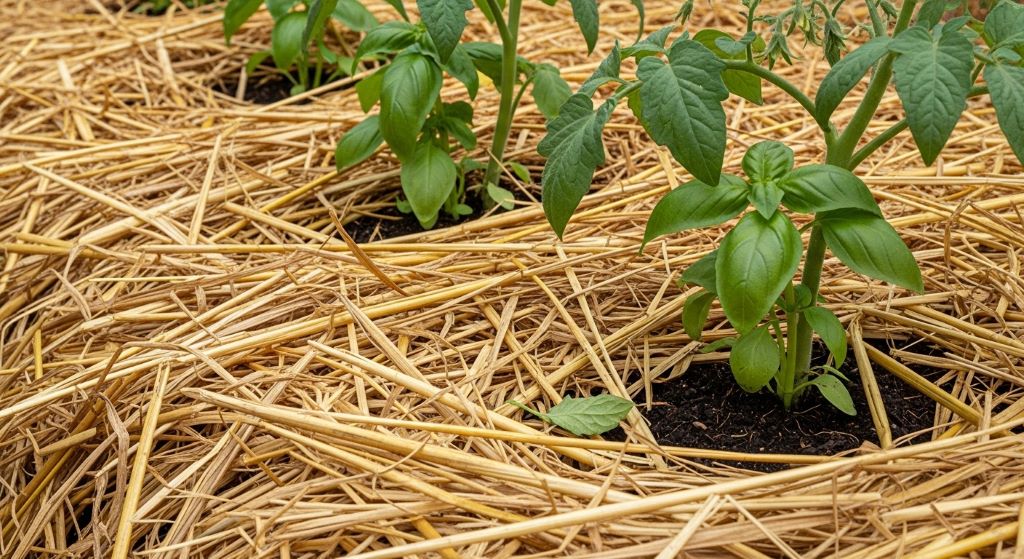
Mulch is one of the most powerful tools available to any gardener. It works by blocking sunlight from reaching weed seeds in the soil. Without light, seeds cannot germinate.
There are several types of mulch to choose from.
- Bark chips are long-lasting and work well around trees and shrubs.
- Straw is ideal for vegetable beds. It is light, easy to apply, and breaks down to feed the soil.
- Grass clippings are free and effective, though they should be applied in thin layers to prevent matting.
- Cardboard laid flat under mulch provides an extra barrier. It smothers existing weeds while it slowly breaks down.
Apply mulch two to three inches thick. Make sure you lay it around your plants, not on top of them. Refresh it every season to keep the barrier strong. Over time, you will notice far fewer weeds pushing through.
Hand Weeding: Simple, Effective, and Free
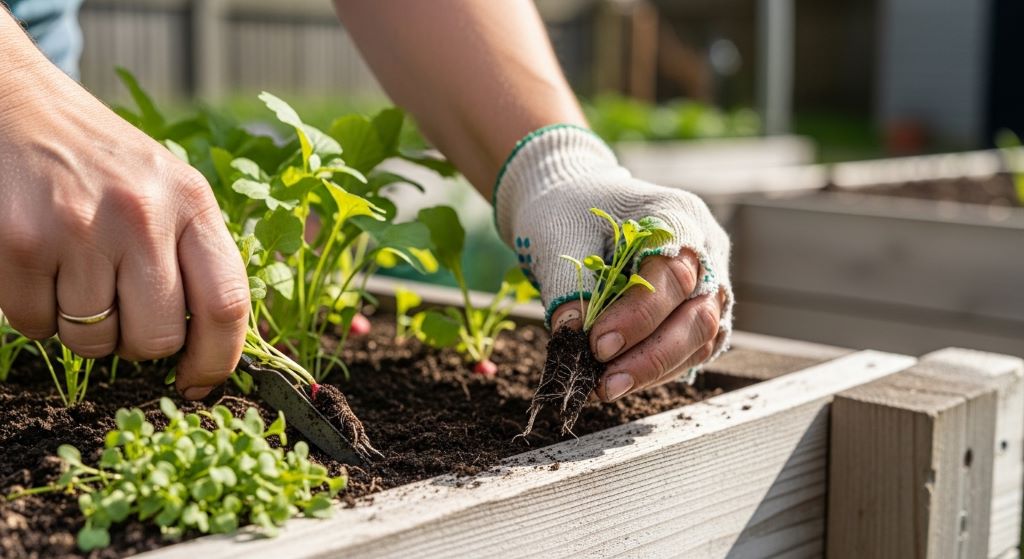
In a small garden, hand weeding is both practical and satisfying. You have direct control over exactly what stays and what goes. Done regularly, it takes only a few minutes at a time.
The key is to weed early and often. Pull weeds when they are young, before they flower and set seed. A single dandelion can release over two thousand seeds. Therefore, timing matters greatly.
Use the right tools to make the job easier. A hand fork or hori-hori knife helps you get deep beneath the roots. This is especially important for perennial weeds. If you only remove the top of a dandelion, the root will regrow. You need to take the whole root out.
Always weed after rain or watering. Moist soil releases roots far more easily than dry, compacted ground. This small habit saves a lot of time and effort.
Smothering Weeds With Ground Cover Plants
Another excellent chemical-free strategy is using ground cover plants. These are low-growing plants that spread across bare soil. They fill gaps, block light, and leave no space for weeds to grow.
Good options include creeping thyme, clover, or low-growing sedums. In vegetable gardens, you can use lettuce or other leafy crops as living mulch between taller plants.
This method works particularly well in borders and beds that you do not dig often. However, choose your ground cover carefully. Some can become invasive if not managed properly. Nevertheless, when used correctly, they are a beautiful and functional solution.
Boiling Water: A Simple Chemical-Free Treatment
Sometimes you need to remove weeds from cracks in paths, patios, or driveways. In these cases, boiling water is a surprisingly effective solution. It kills weeds on contact by destroying plant cells.
Simply boil your kettle and pour the water directly onto the weed. Be careful not to splash nearby plants, as boiling water will harm them too. This method is best for isolated weeds on hard surfaces rather than in planting beds.
Additionally, a small flame weeder can achieve the same result. These devices use a concentrated flame to scorch weed foliage. They are safe, chemical-free, and highly effective on driveways and paths.
Vinegar Solutions: A Natural Herbicide
Household white vinegar is a popular natural weed killer. The acetic acid in vinegar draws moisture out of weed leaves, causing them to dry out and die.
Standard cooking vinegar works on young, small weeds. For tougher or established weeds, horticultural vinegar with a higher acidity is more effective. Mix it with a small amount of dish soap to help it stick to leaves.
However, use caution with this method. Vinegar is non-selective, meaning it will damage any plant it touches. Apply it carefully using a spray bottle on a calm, dry day. Avoid using it near the base of plants you want to keep.
Preventing Weeds Through Smart Planting Practices
Prevention is always easier than cure. Several planting habits can dramatically reduce the number of weeds you deal with each season.
First, plant your crops or flowers closer together. Dense planting shades the soil and leaves weeds nowhere to grow. This works especially well in raised beds, where you have full control over spacing.
Second, always cover bare soil. An empty patch of ground is an open invitation for weeds. Use mulch, ground cover, or a temporary green manure crop to fill empty spaces between seasons.
Third, deadhead and remove weeds before they flower. This one habit alone can break the weed cycle in your garden within a season or two. Additionally, clean your tools after use. Weed seeds can cling to spades and forks and travel from one part of the garden to another.
Managing Weeds in Raised Beds
Raised beds offer a significant advantage when it comes to weed control. You fill them with clean, fresh compost and soil. This means fewer weed seeds are present from the start.
Line the base of your raised bed with cardboard or landscape fabric before filling it. This prevents weeds from pushing up from the ground below. However, note that landscape fabric breaks down over time and is not fully biodegradable. Cardboard is a more eco-friendly option.
Keep the sides of your raised bed clear too. Weeds growing up the sides can flower and drop seeds into the bed. Therefore, a quick trim around the edges every few weeks keeps things tidy and weed-free.
Staying Consistent: The Real Secret to Success
No single method will eliminate all weeds forever. However, a consistent routine will keep them well under control. Set aside a small amount of time each week for weeding. Even ten to fifteen minutes makes a big difference.
Walk through your garden regularly and check for new growth. Address weeds while they are still small and easy to pull. This prevents them from establishing deep roots or setting seed.
Over time, your garden will become naturally cleaner. Healthy plants, good mulch, and regular maintenance all work together to reduce the weed burden year after year. The effort you put in now pays off in a much easier garden to manage later.
Conclusion
Controlling weeds without chemicals is entirely achievable, especially in a small garden. The key is to combine several methods and stay consistent. Healthy soil and dense planting prevent many weeds before they start. Mulching blocks light from seeds already in the ground. Hand weeding removes what does get through. Natural treatments like boiling water and vinegar handle tough spots without harming the environment.
Additionally, smart habits like planting closer together, covering bare soil, and weeding before plants flower will significantly reduce your workload over time. You do not need to battle weeds with chemicals. With the right approach, you can have a beautiful, productive, and naturally weed-free garden all season long.
Frequently Asked Questions
What is the fastest way to get rid of weeds without chemicals?
Hand weeding after rainfall is one of the quickest methods for small gardens. Combine this with a thick layer of mulch immediately after clearing an area. This stops new weeds from taking hold while you remove the existing ones.
Does vinegar really kill weeds permanently?
Vinegar kills the visible parts of a weed, but it does not always reach the roots. Annual weeds may not return after treatment. However, perennial weeds with deep roots often regrow. Repeated applications and root removal give the best long-term results.
How do I stop weeds from coming back after I pull them?
After pulling weeds, cover the bare soil immediately with mulch. This blocks light and stops new seeds from germinating. Keeping soil covered at all times is the most effective way to prevent weeds from returning.
Is boiling water safe to use near garden plants?
Boiling water is not selective. It will damage or kill any plant it touches. Use it only on isolated weeds in cracks, paths, or driveways where no desired plants are nearby. Always pour carefully and keep it away from the roots of plants you want to protect.
How do I control weeds in a raised bed organically?
Start with clean compost and soil, and line the base with cardboard to block ground weeds. Keep the bed densely planted to shade the soil, and apply a thin layer of mulch around your plants. Check regularly for new growth and remove weeds while they are still small.
Related Topics:
Thatch Buildup Could Be Killing Your Lawn — Here’s How to Remove It
Step-by-Step Seasonal Lawn Care Guide | Year-Round Lawn Maintenance Tips