

A lush, green lawn is a homeowner’s pride, but yellow patches can signal trouble. If your lawn is turning yellow, it could stem from nutrient deficiencies, watering issues, pests, or diseases. Understanding these causes is key to restoring its vibrancy. This article explores why lawns turn yellow, offering practical solutions to revive your grass. From soil health to proper care, we’ll educate you on the science, demonstrate actionable fixes, and fascinate you with insights to keep your lawn thriving. Ready to transform your yard? Let’s dive in!
Nutrient Deficiencies Cause Yellowing Grass
Grass needs nutrients like nitrogen, iron, and potassium to stay green. A lack of these can cause yellowing, known as chlorosis. Nitrogen deficiency, for instance, often leads to pale, yellowish blades, especially in older growth. According to a 2023 study by the University of Maryland Extension, 60% of lawn yellowing cases are linked to nutrient imbalances. Soil testing is a reliable way to identify deficiencies.
To address this, apply a balanced fertilizer with nitrogen, phosphorus, and potassium. For example, a 10-10-10 fertilizer works for most lawns. My own lawn once turned yellow due to low nitrogen after heavy rain washed nutrients away. A soil test confirmed the issue, and a fertilizer application restored its color within weeks. Always follow package instructions to avoid over-fertilizing, which can burn grass. Regular soil tests every 2–3 years ensure your lawn gets what it needs.
Improper Watering Leads to Lawn Stress
Watering issues are a common culprit behind yellow grass. Overwatering can drown roots, reducing oxygen and causing yellow patches. Conversely, underwatering stresses grass, leading to wilting and discoloration. The USDA reports that improper irrigation affects 45% of residential lawns. Lawns typically need 1–1.5 inches of water weekly, depending on climate.
Check your watering routine. Water deeply but infrequently to encourage strong roots. Early morning is the best time, as it reduces evaporation and fungal growth. I learned this the hard way when my sprinkler system overwatered one section, turning it yellow. Adjusting the schedule and ensuring even coverage fixed the issue. Use a rain gauge to measure water output and avoid soggy or dry spots. Proper hydration keeps your lawn vibrant and resilient.
Pests and Diseases Damage Grass Health
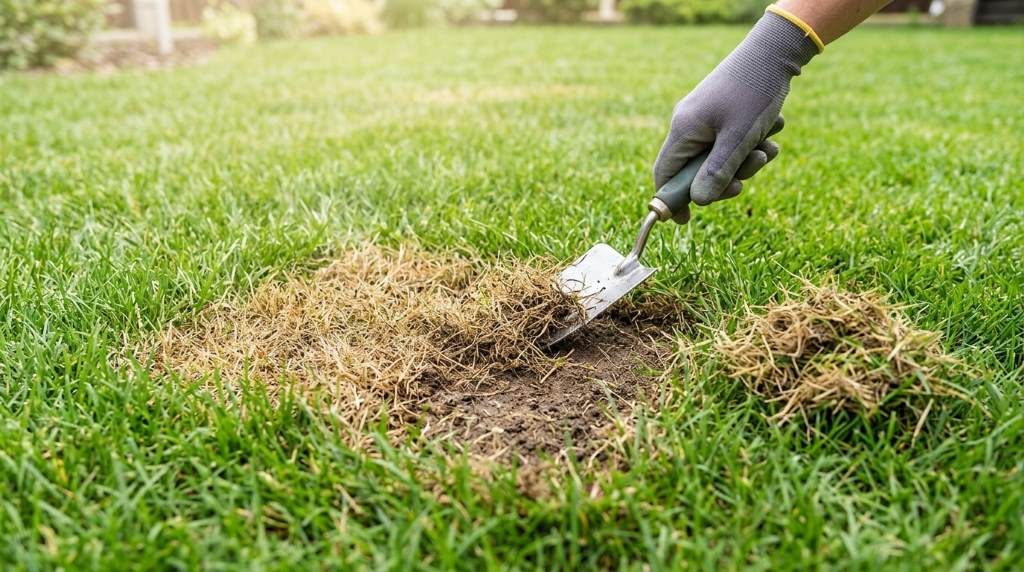
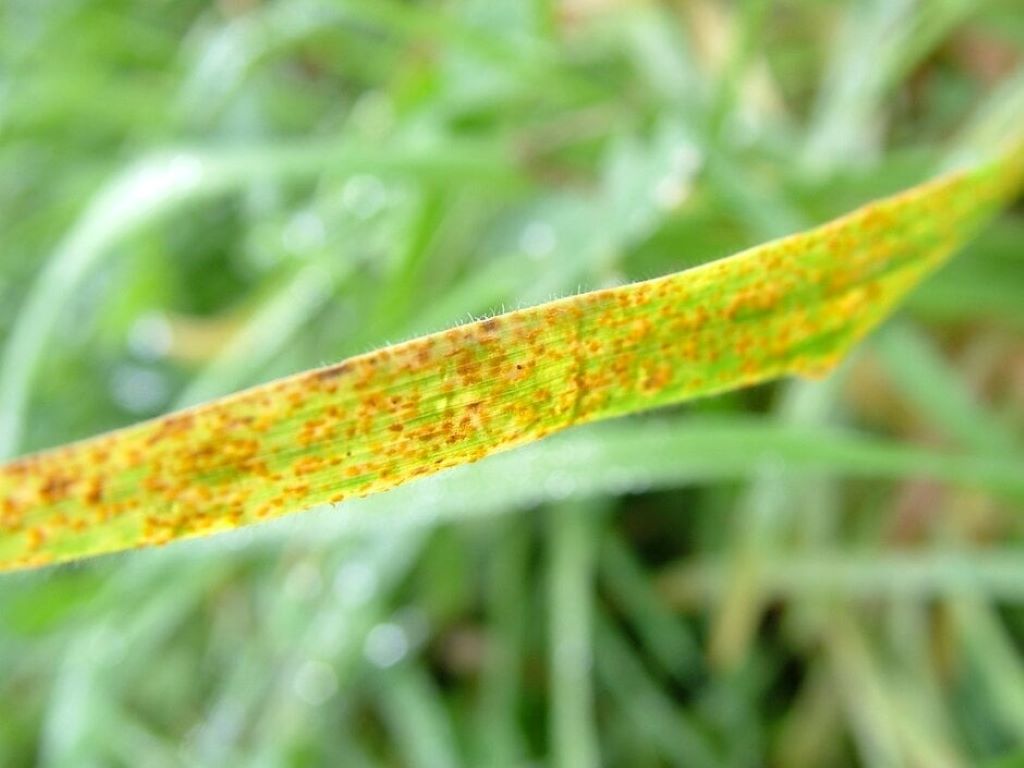
Pests like grubs or diseases like fungal infections can turn your lawn yellow. Grubs eat grass roots, causing patches to wilt and yellow. Fungal diseases, such as dollar spot, create yellowing areas with dead grass. The University of Maryland Extension notes that 30% of lawn issues stem from pests or diseases. Regular inspection helps catch these early.
To combat pests, apply beneficial nematodes or insecticides labeled for lawn use. For diseases, fungicides or improved air circulation can help. Last summer, I noticed yellow spots spreading across my lawn. A closer look revealed grubs. Applying nematodes reduced the damage, and the grass recovered after reseeding. Keep your lawn mowed at the right height (around 3 inches) to reduce stress and improve resistance. Early detection and treatment are crucial for a healthy lawn.
Soil Compaction Hinders Grass Growth
Compacted soil restricts root growth, limiting access to water and nutrients, which can yellow your lawn. Heavy foot traffic or clay-heavy soils often cause compaction. Aeration, which involves poking holes in the soil, improves air and water flow. The USDA recommends aerating lawns every 1–2 years for optimal health.
Aerate in spring or fall using a core aerator, available at garden centers. After aerating my compacted backyard lawn, I saw greener grass within a month. Pair aeration with overseeding to thicken sparse areas. Avoid heavy machinery on wet soil to prevent further compaction. Healthy soil supports robust roots, ensuring your lawn stays green and lush. Regular maintenance, like raking leaves, also helps prevent compaction.
Environmental Factors Affect Lawn Color
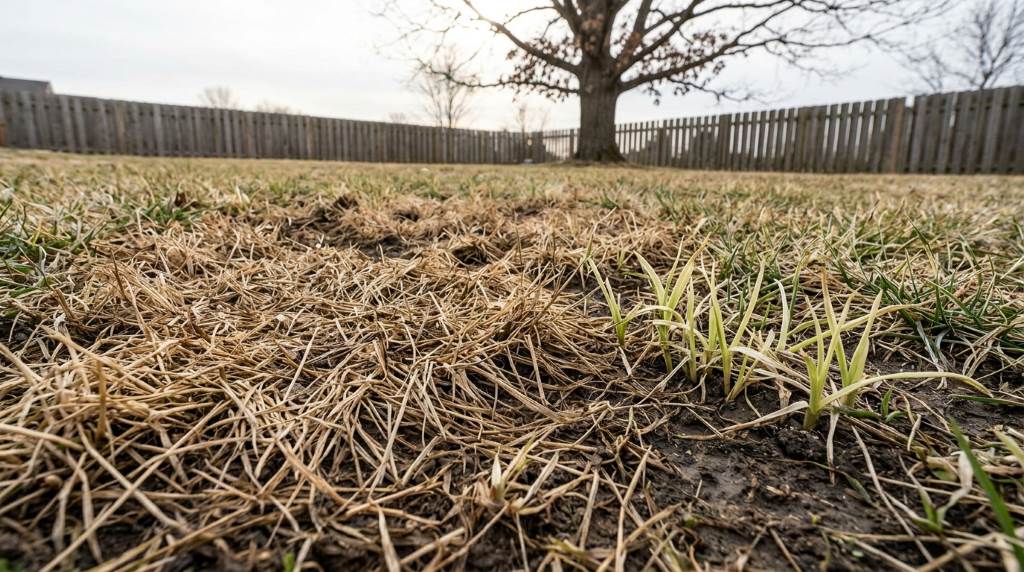
Weather extremes, like drought or excessive heat, can stress grass, causing yellowing. Shade from trees or buildings may also limit sunlight, weakening grass. Additionally, chemical spills, like gasoline, can burn grass, leaving yellow patches. Environmental stress affects 25% of lawns, per USDA data.
Adjust care based on conditions. During drought, water more frequently but avoid midday heat. For shaded areas, plant shade-tolerant grasses like fescue. I once spilled fertilizer unevenly, causing yellow burn spots. Flushing the area with water and reseeding fixed it. Monitor weather forecasts and adapt your lawn care routine. Proper mowing and fertilization schedules tailored to your climate keep grass healthy.
Practical Tips to Prevent Yellow Lawns
Preventing yellow grass requires consistent care. Here are actionable steps to maintain a vibrant lawn:
- Test soil annually: Identify nutrient deficiencies with a soil test kit.
- Water wisely: Provide 1–1.5 inches of water weekly, preferably in the morning.
- Mow correctly: Keep blades sharp and mow at 3–4 inches to reduce stress.
- Aerate regularly: Loosen compacted soil every 1–2 years.
- Monitor pests: Inspect for grubs or fungi and treat promptly.
Implementing these habits ensures long-term lawn health. My lawn transformed after adopting these practices, staying green even in tough summers. Consistency is key to avoiding yellow patches.
Common Mistakes That Cause Yellow Grass
Avoid these pitfalls to keep your lawn green:
- Over-fertilizing: Excess fertilizer burns grass, causing yellow spots.
- Mowing too short: Scalping stresses grass, leading to discoloration.
- Ignoring soil health: Skipping soil tests misses nutrient issues.
- Watering at night: This promotes fungal growth and yellowing.
Correcting these habits can prevent yellowing. I once mowed too low, causing yellow patches. Raising the blade height fixed it. Awareness and proper care make all the difference.
Revive Your Lawn Today
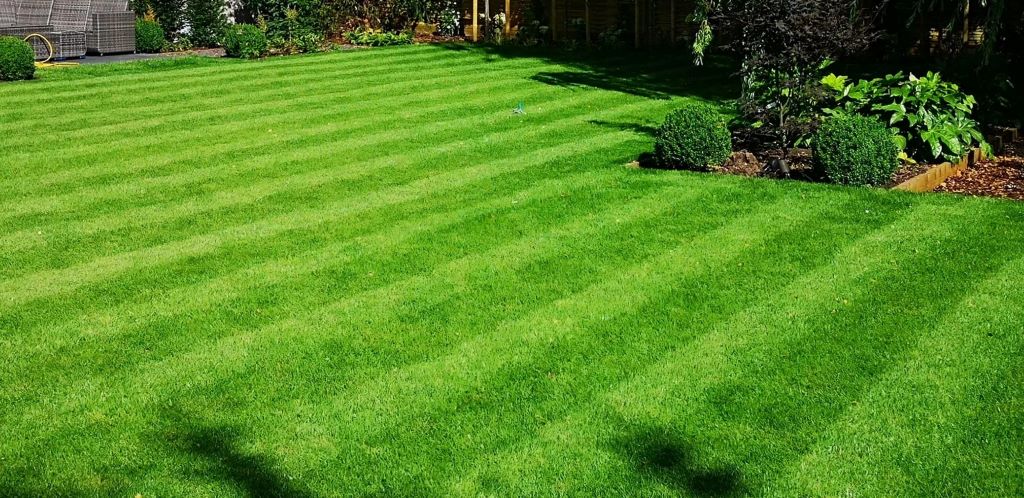
Yellow grass isn’t a death sentence for your lawn. By addressing nutrient deficiencies, watering correctly, managing pests, aerating soil, and adapting to environmental factors, you can restore its green glory. Regular maintenance and early intervention are key. My own lawn’s recovery taught me the value of patience and proper care. Start with a soil test and adjust your routine based on the findings. Your lawn will thank you with vibrant color.
Have a yellow lawn story or tip? Share it in the comments or spread this article to help others revive their yards!
FAQs
Why does my lawn turn yellow in patches?
Yellow patches often result from pests, diseases, or uneven watering. Inspect for grubs or fungi and ensure consistent irrigation.
How often should I water my lawn to avoid yellowing?
Water 1–1.5 inches weekly, ideally in the morning, to prevent stress and promote deep root growth.
Can fertilizer fix a yellow lawn?
Yes, a balanced fertilizer can correct nutrient deficiencies, but test soil first to avoid over-fertilizing.
Why does my lawn yellow after mowing?
Mowing too short or with dull blades stresses grass. Keep blades sharp and mow at 3–4 inches.
How can I tell if my lawn has pests?
Yellowing patches that lift easily suggest grubs. Inspect roots and apply nematodes or insecticides if needed.
Read More: