

Weeds can turn a thriving garden into a chaotic mess, stealing nutrients and space from your plants. If weeds are taking over, don’t despair. This guide offers practical, research-backed strategies to reclaim your garden. From identifying common invaders to using eco-friendly control methods, you’ll learn how to tackle weeds effectively. Whether you’re a novice gardener or a seasoned pro, these tips will help you win the battle against weeds. Let’s dive into proven solutions that educate, demonstrate, and fascinate, ensuring your garden stays vibrant and weed-free.
Understanding Why Weeds Thrive in Your Garden
Weeds are opportunistic plants that exploit favorable conditions like sunlight, water, and nutrient-rich soil. They often grow faster than cultivated plants, making them tough competitors. For instance, dandelions can germinate in just a few days under ideal conditions, quickly spreading their seeds. Poor soil health, overwatering, or bare patches in your garden create perfect weed habitats. According to a 2023 study by the USDA, weeds reduce crop yields by up to 30% annually in unmanaged fields.
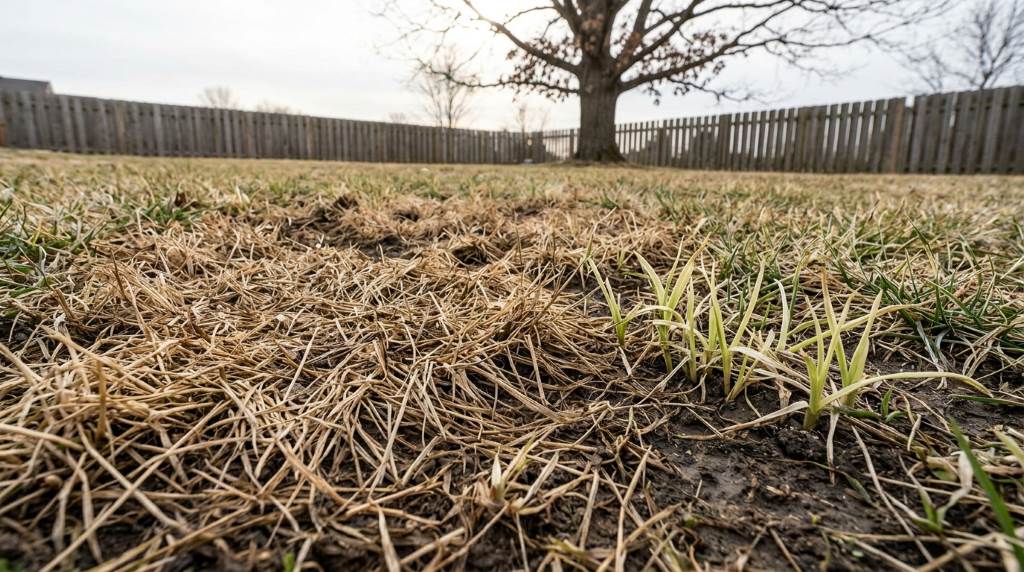
To combat this, assess your garden’s vulnerabilities. Check for compacted soil or areas with poor drainage, as weeds like crabgrass thrive there. My own backyard once became a weed haven after neglecting a bare corner. Regular monitoring and soil testing can reveal why weeds persist. By addressing these root causes, you can create an environment less welcoming to invaders, setting the stage for effective control.
Identifying Common Weeds Invading Your Space
Knowing your enemy is key to winning the weed battle. Common weeds like dandelions, crabgrass, and chickweed each have unique traits. Dandelions, with their deep taproots, spread via windblown seeds. Crabgrass, a low-growing annual, thrives in hot, dry conditions, producing thousands of seeds per plant. Chickweed prefers moist, shaded areas and can complete its life cycle in weeks. A 2022 study from Cornell University found that misidentifying weeds leads to ineffective control in 40% of cases.
Start by observing weed characteristics—leaf shape, growth pattern, and flowering time. Use a field guide or app for accurate identification. In my garden, mistaking bindweed for morning glory led to delayed action. Once identified, you can choose targeted removal methods. This knowledge empowers you to act swiftly, preventing weeds from taking over and ensuring your garden remains healthy.
Manual Weed Removal: Hands-On Solutions That Work
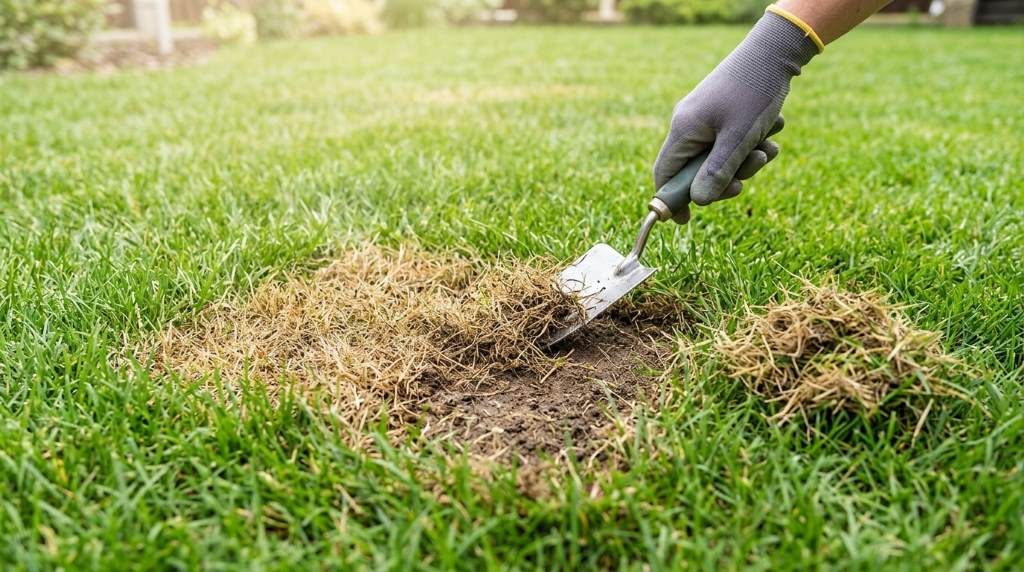
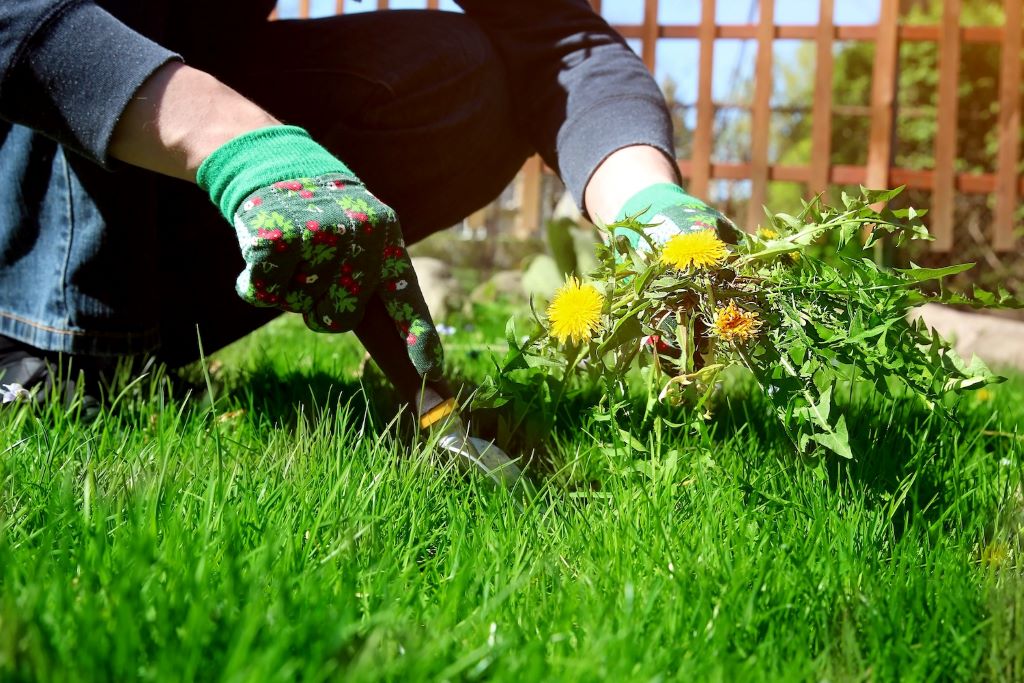
Manual removal is a direct, chemical-free way to tackle weeds. Pulling weeds by hand or using tools like a hoe works best for small infestations. For deep-rooted weeds like dandelions, use a weeding tool to extract the entire root. Timing matters—remove weeds before they seed, ideally after rain when soil is soft. However, this method can be labor-intensive and less effective for large areas.
To maximize success, follow these tips:
- Pull weeds early in the morning for easier root removal.
- Wear gloves to protect hands from thorns or irritants.
- Dispose of weeds in a sealed bag to prevent seed spread.
Last summer, I spent a weekend hand-pulling chickweed from my flower beds, which significantly reduced regrowth. Manual removal builds a connection with your garden while ensuring no harmful chemicals are used. Combine it with other methods for long-term control, especially in small or organic gardens.
Natural Weed Control Methods for Eco-Friendly Gardens
Eco-friendly weed control minimizes environmental impact while keeping your garden healthy. Mulching with organic materials like wood chips or straw suppresses weed growth by blocking sunlight. A 2–3 inch layer is effective, reducing weed emergence by up to 90%, per a 2023 USDA study. Boiling water or vinegar solutions can kill shallow-rooted weeds, though they’re less effective on perennials.
Try these natural methods:
- Apply mulch in spring to prevent weed germination.
- Use corn gluten meal as a natural pre-emergent herbicide.
- Plant cover crops like clover to outcompete weeds.
I’ve used mulch successfully to keep crabgrass at bay in my vegetable patch. These methods require consistency but are safe for pets, kids, and pollinators. By integrating natural solutions, you create a sustainable garden that resists weeds without harming the ecosystem.
Chemical Weed Control: When and How to Use Safely
Chemical herbicides can be effective but require caution to avoid harming desired plants or wildlife. Selective herbicides target specific weeds, like broadleaf types, while non-selective ones, like glyphosate, kill most plants. Use them sparingly, as overuse can lead to soil degradation. The EPA notes that improper herbicide application contributes to 15% of groundwater contamination cases.
Follow these safety tips:
- Apply herbicides on calm, dry days to prevent drift.
- Use targeted applicators to avoid overspray.
- Read labels and follow dilution instructions carefully.
I once used a selective herbicide to clear a stubborn patch of bindweed, applying it precisely to avoid my roses. Always wear protective gear and store chemicals securely. Chemical control is a last resort—combine it with manual and natural methods for a balanced approach that minimizes environmental impact while tackling persistent weeds.
Preventing Weeds from Returning to Your Garden
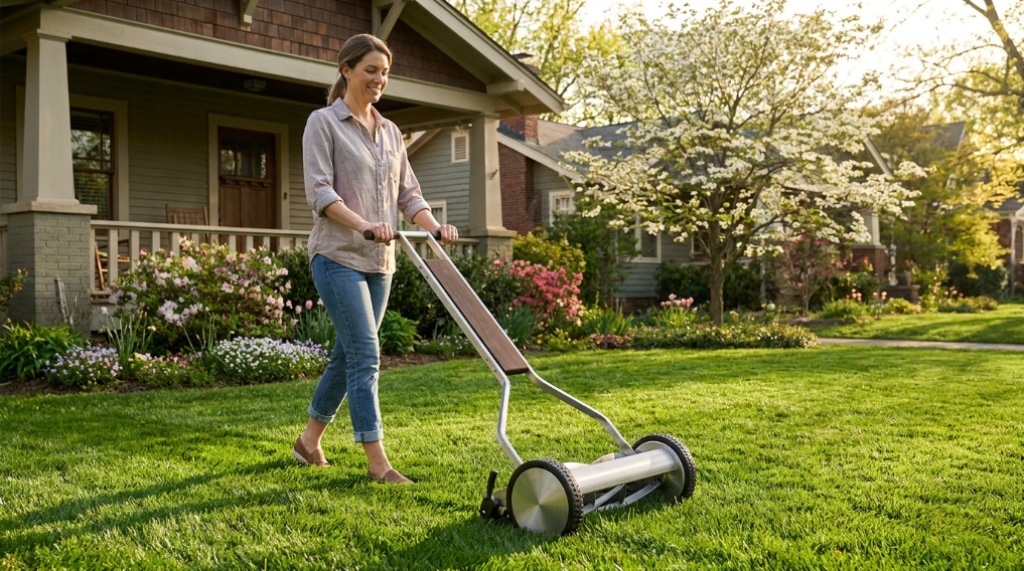
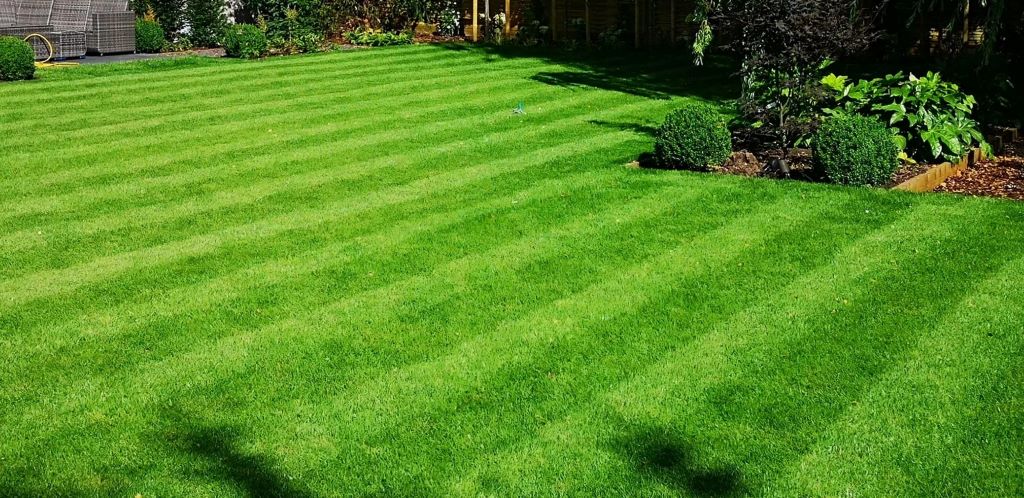
Prevention is the ultimate weapon against weeds taking over. Maintain healthy soil with regular composting and aeration to favor desired plants. Dense planting reduces bare soil, limiting weed opportunities. Regular mowing or trimming prevents seed formation in grassy areas. Additionally, using landscape fabric under mulch can block weed growth long-term.
Implement these preventive measures:
- Water plants deeply but infrequently to discourage weed germination.
- Rotate crops annually to disrupt weed life cycles.
- Inspect new plants for weed seeds before planting.
After losing a flower bed to weeds, I started mulching religiously and saw a dramatic drop in invaders. Consistent maintenance, like weekly checks, keeps weeds at bay. By creating a robust garden ecosystem, you make it harder for weeds to return, ensuring your plants thrive without constant battles.
Common Mistakes Gardeners Make in Weed Control
Gardeners often sabotage their efforts with avoidable errors. One common mistake is neglecting early intervention, allowing weeds to seed and spread. Another is over-relying on chemicals, which can harm soil health. Ignoring weed identification leads to ineffective treatments, as not all methods work on every weed. For example, pulling only the tops of dandelions leaves roots to regrow.
Avoid these pitfalls:
- Don’t skip soil testing; it reveals weed-friendly conditions.
- Avoid tilling, which exposes buried weed seeds.
- Never ignore small weed patches; they escalate quickly.
I learned this the hard way when I tilled a weedy plot, unleashing a new wave of crabgrass. By addressing mistakes early, you save time and effort. Focus on proactive, informed strategies to keep your garden weed-free and flourishing without repeated setbacks.
Conclusion
Weeds taking over can feel overwhelming, but with the right strategies, victory is within reach. By understanding why weeds thrive, identifying them accurately, and using a mix of manual, natural, and chemical controls, you can reclaim your garden. Prevention is key—healthy soil and vigilant maintenance stop weeds from returning. My own journey from a weed-choked yard to a thriving garden proves these methods work. Start today with one actionable step, like mulching or pulling weeds, and watch your garden transform. Share your weed-fighting tips in the comments or spread this guide to help others win their battle against weeds!
FAQs
How Can I Tell If a Plant Is a Weed?
Compare its growth pattern, leaves, and flowers to known weeds using a guide or app. Weeds often grow faster than desired plants.
What’s the Best Time to Remove Weeds?
Early morning after rain, when soil is soft, makes pulling weeds easier and ensures complete root removal.
Are Natural Weed Control Methods Effective?
Yes, mulching and vinegar solutions can reduce weeds by up to 90% when applied consistently, per USDA research.
Can I Use Household Items to Kill Weeds?
Boiling water or vinegar works on shallow-rooted weeds, but repeat applications may be needed for stubborn types.
How Do I Prevent Weeds Without Chemicals?
Mulch, dense planting, and regular soil care create conditions that discourage weed growth naturally.
Read More: