

Walking across your once-lush lawn only to find brown patches and dying grass can be heartbreaking. However, understanding why your grass is struggling represents the first step toward restoration. Most homeowners face this challenge at some point, whether dealing with mysterious brown spots or entire sections turning yellow.
Additionally, identifying the root cause early can save you time, money, and frustration. Therefore, this comprehensive guide will explore the most common reasons grass dies and provide actionable solutions. Moreover, you’ll discover prevention strategies that keep your lawn healthy year-round. Furthermore, we’ll share expert insights backed by research to help you make informed decisions about lawn care.
Understanding the Most Common Reasons Why Grass Dies
Overwatering Creates Root Problems That Kill Grass
Surprisingly, too much water kills more grass than drought conditions. Overwatering suffocates grass roots by eliminating oxygen from the soil. Consequently, roots become weak and susceptible to fungal diseases that spread rapidly through waterlogged areas.
Furthermore, oversaturated soil creates perfect conditions for harmful bacteria and fungi. These pathogens attack weakened root systems, causing grass to die in circular patterns. Additionally, waterlogged conditions prevent nutrients from reaching grass plants effectively.
Signs of overwatering include spongy soil, persistent wetness, and mushroom growth. Therefore, checking soil moisture before watering prevents this common mistake that destroys healthy lawns.
Underwatering Stress Leads to Widespread Grass Death
Conversely, insufficient water causes grass to enter survival mode by shutting down growth. During extended dry periods, grass conserves energy by allowing leaf blades to wither and die. However, roots often survive underground, waiting for adequate moisture to return.
According to the United States Environmental Protection Agency, lawns typically require one inch of water weekly for optimal health. Moreover, deep, infrequent watering encourages stronger root development compared to frequent shallow watering sessions.
Additionally, drought stress makes grass vulnerable to insect damage and disease. Therefore, maintaining consistent moisture levels prevents cascading problems that compound grass death throughout your lawn.
Soil Compaction Restricts Root Growth and Nutrient Absorption
Heavy foot traffic, machinery, and natural settling compress soil particles together tightly. Consequently, grass roots cannot penetrate compacted soil to access water and essential nutrients. Furthermore, compacted areas develop poor drainage that creates additional stress for struggling grass plants.
Compaction particularly affects clay soils that naturally hold water and resist penetration. Additionally, compacted areas often appear as worn paths or spots where grass grows poorly despite adequate care.
Professional aeration services or DIY core aerators create holes that allow air, water, and nutrients to reach grass roots effectively. Therefore, addressing compaction issues restores healthy growing conditions for dying grass areas.
Improper Mowing Practices Weaken Grass and Cause Die-Back
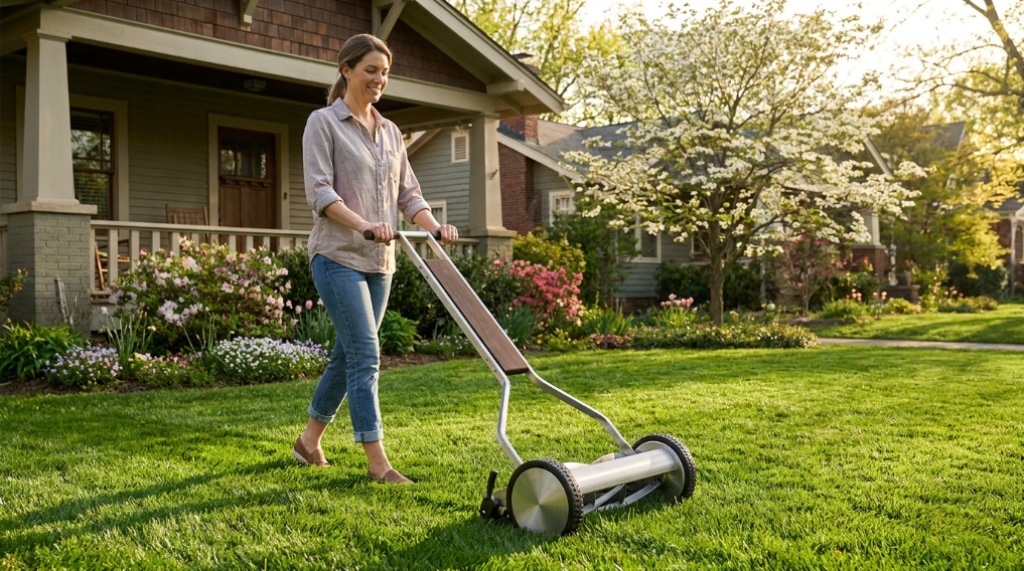
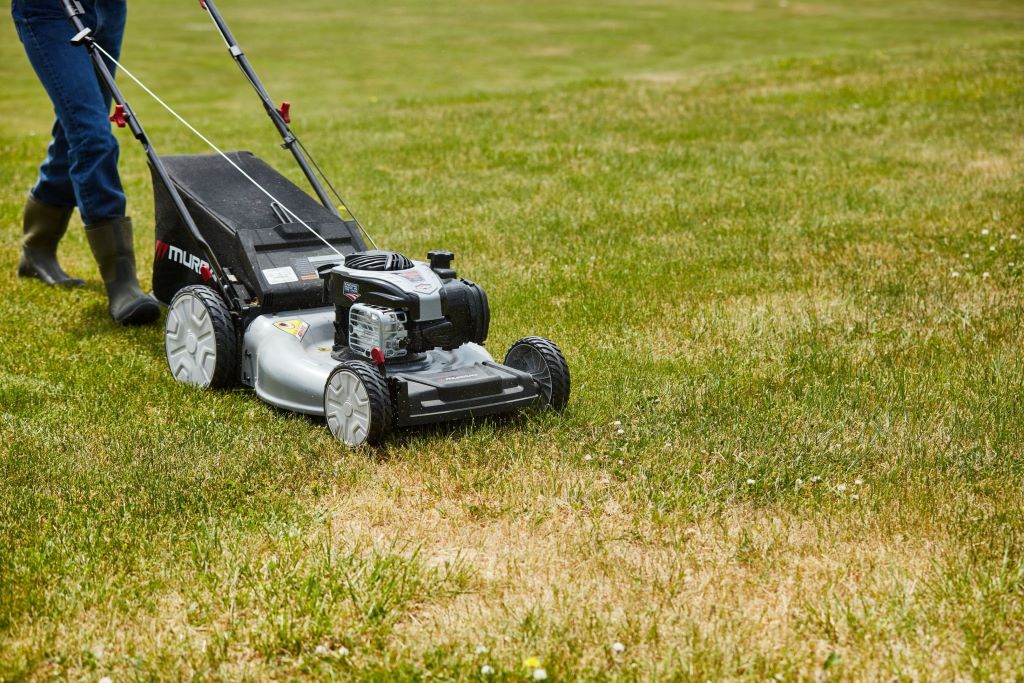
Cutting grass too short removes the plant’s ability to photosynthesize effectively and produce energy. Additionally, scalping weakens grass crowns where new growth originates, leading to widespread die-back across affected areas.
The general rule requires removing no more than one-third of grass blade length during any single mowing session. Furthermore, maintaining proper cutting height varies by grass type but typically ranges from two to four inches for most species.
Moreover, dull mower blades tear grass instead of cutting cleanly, creating entry points for diseases and pests. Therefore, sharpening blades regularly and following proper mowing height guidelines prevents unnecessary grass stress and death.
Pest Infestations Cause Rapid Grass Deterioration
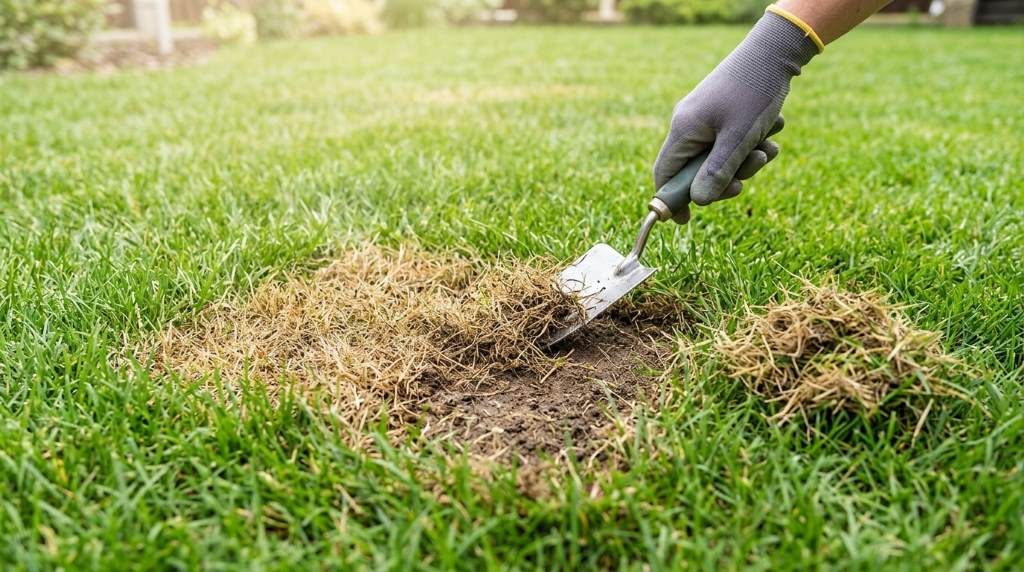
Grubs, chinch bugs, and other lawn pests feed on grass roots or stems, causing visible damage patterns. Additionally, pest damage often appears as irregular brown patches that expand rapidly during peak feeding seasons.
White grubs, the larval stage of beetles, consume grass roots from underground, making detection challenging until significant damage occurs. Furthermore, adult beetles attract more pests to already compromised lawn areas.
Early detection through regular lawn inspection allows for targeted treatment before widespread grass death occurs. Therefore, monitoring for pest activity and applying appropriate treatments protects healthy grass from unnecessary damage.
Disease Outbreaks Spread Quickly Through Stressed Grass Areas
Fungal diseases thrive in specific environmental conditions, particularly when grass experiences stress from other factors. Additionally, diseases like brown patch, dollar spot, and summer patch create distinctive patterns that help identify specific problems.
According to research from the University Extension services, fungal diseases cause billions of dollars in lawn damage annually across residential properties. Moreover, disease problems compound when multiple stress factors affect grass simultaneously.
Prevention through proper cultural practices proves more effective than treating established disease outbreaks. Therefore, maintaining optimal growing conditions reduces disease pressure and protects grass from unnecessary death.
Proven Solutions to Revive Your Dying Grass
Adjusting Your Watering Schedule for Optimal Grass Health
Implementing deep, infrequent watering sessions encourages strong root development and improves drought tolerance. Additionally, watering early morning reduces evaporation losses and prevents prolonged leaf wetness that promotes disease development.
Install rain gauges or soil moisture meters to monitor actual water needs rather than guessing. Furthermore, adjust irrigation schedules based on seasonal weather patterns and grass growth rates.
Proper drainage improvements may be necessary in areas where water consistently pools after watering or rainfall. Therefore, addressing drainage issues prevents future grass death from waterlogged conditions.
Improving Soil Conditions Through Strategic Amendments
Testing soil pH levels determines whether grass can access available nutrients effectively. Additionally, most grass types prefer slightly acidic to neutral soil conditions between 6.0 and 7.0 pH levels.
Adding organic matter through compost or aged manure improves soil structure and water retention capacity. Furthermore, organic amendments provide slow-release nutrients that support sustained grass growth without causing excessive top growth.
Core aeration combined with topdressing creates immediate improvements in compacted soil conditions. Therefore, annual soil improvement efforts prevent future grass death from poor growing conditions.
Implementing Proper Fertilization Programs for Grass Recovery
Soil testing reveals specific nutrient deficiencies that may contribute to grass death and poor recovery. Additionally, applying appropriate fertilizers at recommended rates supports healthy regrowth without causing additional stress.
Slow-release fertilizers provide consistent nutrition over extended periods, reducing the risk of nutrient burn that can kill grass. Furthermore, organic fertilizer options improve soil biology while supplying essential nutrients.
Timing fertilizer applications according to grass growth patterns maximizes nutrient uptake and recovery success. Therefore, following season-specific fertilization schedules supports grass health throughout the year.
Reseeding and Overseeding Strategies for Dead Grass Areas
Preparing the soil properly before seeding ensures good seed-to-soil contact and germination success. Additionally, selecting appropriate grass varieties for your climate and growing conditions improves establishment rates significantly.
Fall overseeding typically provides better results than spring seeding due to cooler temperatures and reduced weed competition. Furthermore, maintaining consistent moisture during germination proves critical for seedling survival.
Protecting newly seeded areas from foot traffic and pets allows grass seedlings to establish strong root systems. Therefore, temporary barriers or restricted access prevents damage during vulnerable establishment periods.
Prevention Strategies to Keep Your Grass Healthy Long-Term
Creating a Comprehensive Lawn Maintenance Schedule
Developing seasonal maintenance calendars helps ensure timely completion of critical lawn care tasks. Additionally, consistent care prevents small problems from developing into major grass death issues.
Regular maintenance tasks include:
- Weekly mowing during active growth periods
- Monthly soil moisture monitoring
- Quarterly fertilizer applications
- Annual soil testing and amendments
- Seasonal pest and disease inspections
Furthermore, keeping detailed records of maintenance activities helps identify patterns and adjust care strategies accordingly. Therefore, systematic approaches to lawn care prevent most common causes of grass death.
Monitoring Early Warning Signs of Grass Stress
Learning to recognize early stress symptoms allows for prompt intervention before grass death occurs. Additionally, regular lawn inspections during routine maintenance activities reveal developing problems quickly.
Color changes, growth patterns, and texture differences often indicate specific stress factors affecting grass health. Furthermore, photographing problem areas helps track changes over time and evaluate treatment effectiveness.
Professional lawn care consultations provide expert diagnosis when problems exceed homeowner knowledge or experience. Therefore, seeking help early prevents minor issues from becoming major grass death problems.
Personal Experience: Rescuing a Dying Lawn
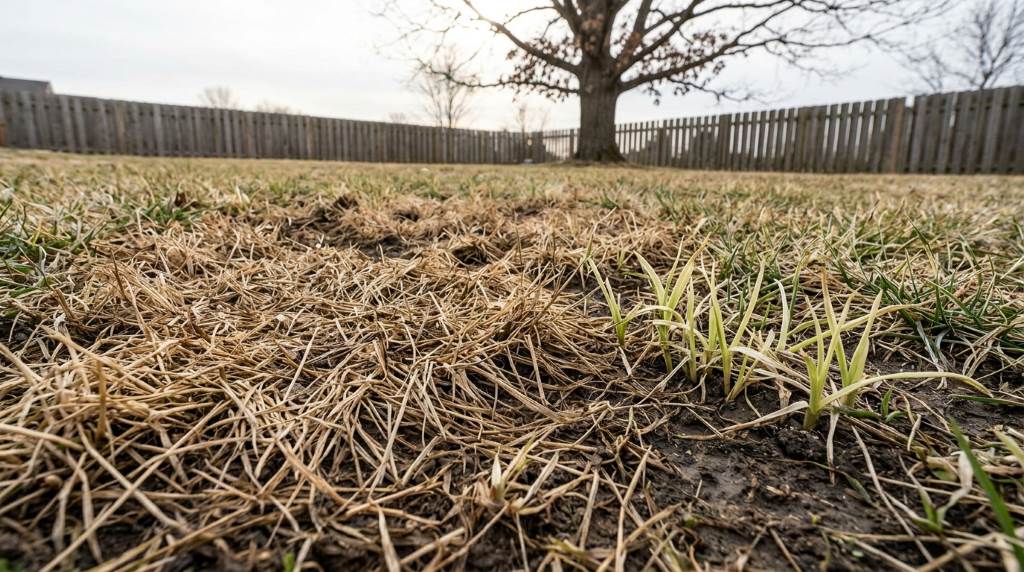
Last spring, I discovered large brown patches spreading across my backyard lawn despite regular watering and fertilization. Initially, I assumed drought stress caused the problem and increased watering frequency. However, the dying grass areas continued expanding rapidly.
After consulting with a local extension agent, soil testing revealed severely compacted clay soil with poor drainage. Additionally, the increased watering had created perfect conditions for fungal disease development in stressed grass areas.
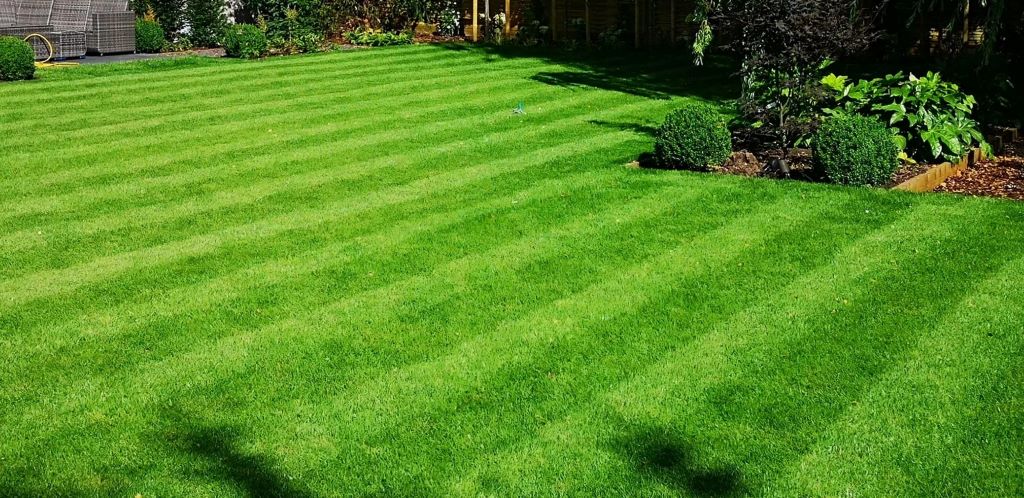
The solution required core aeration, soil amendments, and adjusting the watering schedule to deep, infrequent sessions. Furthermore, applying appropriate fungicide treatments stopped disease spread while improved soil conditions supported grass recovery. Within six weeks, new grass growth filled the previously dead areas completely.
At Last
Have you experienced similar grass problems in your lawn? Share your experiences and solutions in the comments below to help other homeowners facing dying grass challenges. Additionally, consider sharing this article with neighbors who might benefit from these proven grass recovery strategies.
Frequently Asked Questions
How long does it take for grass to recover from stress?
Recovery time varies depending on grass type and stress severity, but most grass recovers within 2-6 weeks with proper care and favorable growing conditions.
Can completely brown grass come back to life?
Brown grass can recover if roots remain alive underground. However, grass with dead roots requires reseeding or resodding for restoration.
What time of year is best for grass recovery?
Fall provides optimal conditions for grass recovery due to cooler temperatures, increased rainfall, and reduced weed competition in most regions.
How do I know if my grass is dead or dormant?
Pull gently on brown grass blades – dormant grass resists pulling while dead grass comes up easily with minimal root attachment.
Should I water dying grass more or less?
Check soil moisture first – overwatered grass needs less water while drought-stressed grass requires deep, infrequent watering sessions for recovery.
Conclusion
Understanding why your grass is dying empowers you to take effective action that restores lawn health quickly. Additionally, implementing proper watering, soil improvement, and maintenance practices prevents future grass death problems.
Remember that most grass problems result from multiple stress factors working together rather than single causes. Therefore, comprehensive approaches addressing all contributing factors produce the best recovery results.
Furthermore, prevention through consistent care proves more cost-effective than treating widespread grass death after problems develop. Start implementing these strategies today to maintain a healthy, vibrant lawn that enhances your property value and outdoor enjoyment for years to come.
Read More: