

Struggling with lawn troubles? A patchy, discolored, or weed-filled yard can frustrate any homeowner. These issues often stem from common culprits like poor soil health, improper watering, or pest infestations. Understanding what’s happening beneath the surface is key to restoring your lawn’s lush, green glory. This guide dives into the root causes of lawn problems, offering practical solutions to revive your yard. Whether it’s brown spots, thinning grass, or invasive weeds, we’ll explore what’s going wrong and how to fix it. Let’s transform your lawn into a vibrant outdoor space you’ll love.
Common Causes of Lawn Troubles You Should Know
Lawn troubles often arise from environmental factors or maintenance missteps. Poor soil quality, for instance, lacks essential nutrients, leading to weak grass growth. Compacted soil prevents roots from accessing water and air, causing patches. Overwatering or underwatering can drown or dehydrate grass, while improper mowing heights stress the turf. Pests like grubs or diseases like fungal infections further damage lawns. According to a 2023 study by the University of Maryland Extension, 60% of lawn issues stem from improper care practices.
Identifying these causes requires observation. Check for compacted soil by probing with a screwdriver; if it’s hard to penetrate, aeration is needed. Test soil pH to ensure it’s between 6.0 and 7.0 for optimal grass health. Monitor watering schedules and inspect for pests. Addressing these factors early prevents long-term damage and restores your yard’s vitality.
Weeds Invading Your Lawn: Why and How to Stop Them
Weeds are a common lawn trouble, outcompeting grass for nutrients, water, and sunlight. Dandelions, crabgrass, and clover thrive in weak or sparse lawns. Thin grass, often caused by poor soil or irregular watering, creates gaps for weeds to invade. A personal story: my own lawn once battled crabgrass due to overwatering, which weakened the turf. Adjusting my sprinkler system and applying targeted treatments saved the day.
To combat weeds, maintain a dense lawn through regular fertilization and proper mowing. Hand-pull small patches or use selective herbicides for larger infestations. Pre-emergent herbicides, applied in early spring, prevent weed seeds from germinating. According to the USDA, integrated weed management reduces weed cover by up to 70%. Mow at the correct height—about 3 inches for most grasses—to shade out weed seedlings. Consistent care keeps your lawn weed-free and healthy.
Brown Spots and Patchy Grass: Diagnosing the Issue
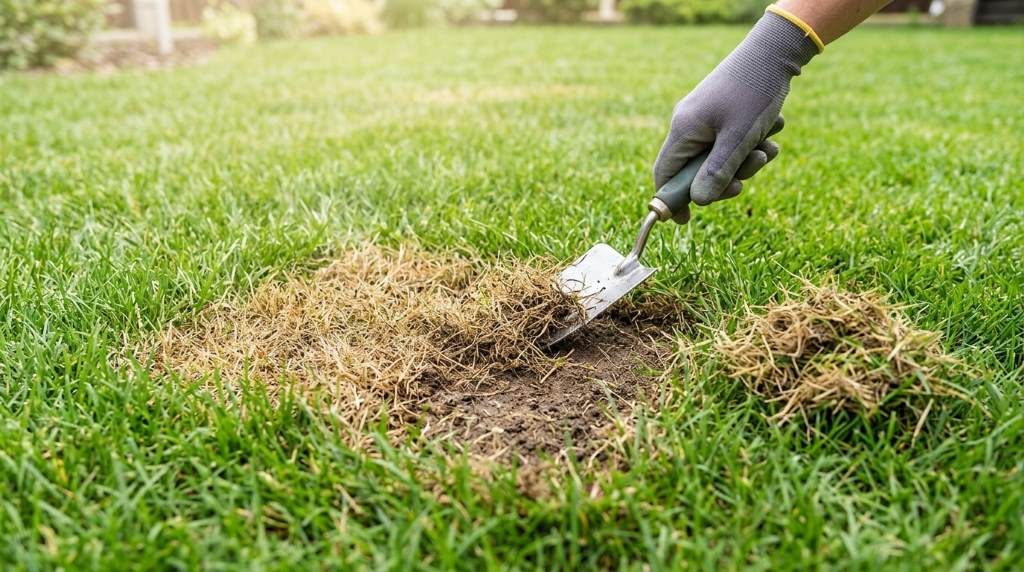
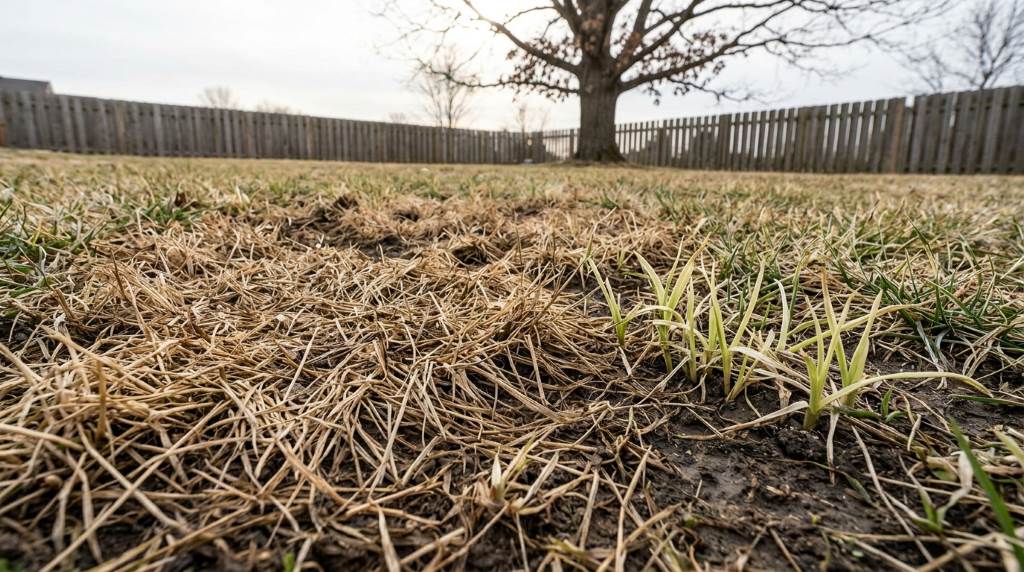
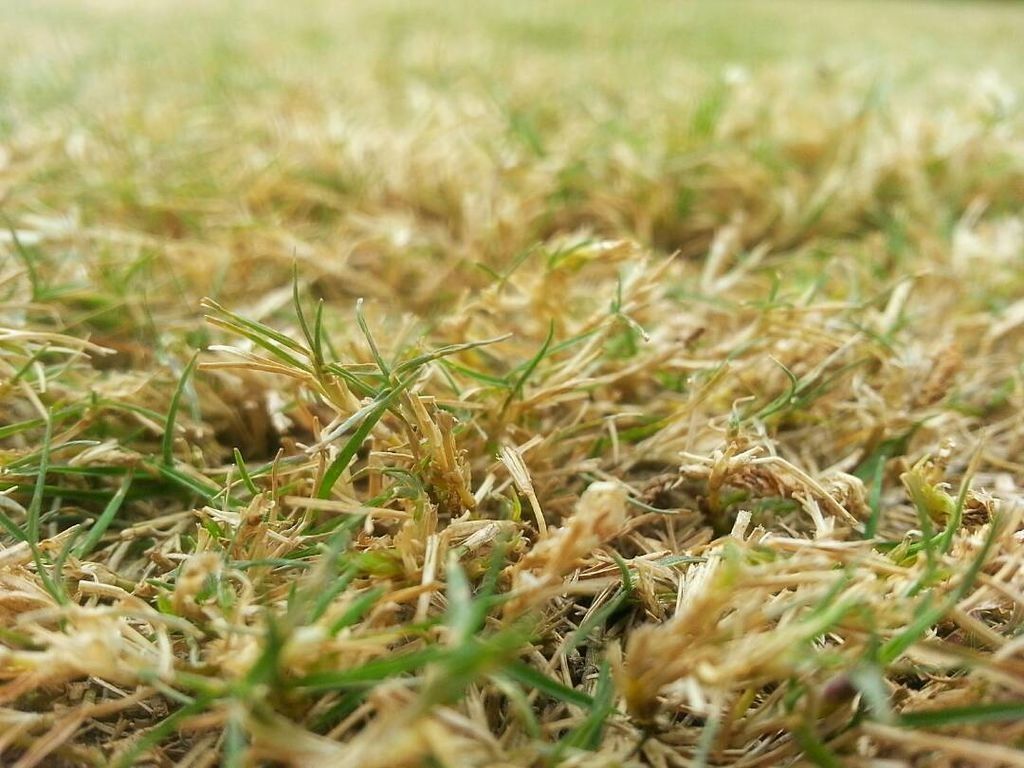
Brown spots and patchy grass signal underlying lawn troubles. Drought stress, pet urine, or fungal diseases like brown patch are common causes. Over-fertilizing can burn grass, leaving dead spots, while grubs may eat roots, causing patches. Inspect your lawn closely: yellowing grass may indicate nitrogen deficiency, while circular brown areas suggest fungal issues. My neighbor once ignored brown spots, only to discover a grub infestation that required costly repairs.
Test your soil to identify nutrient deficiencies or pH imbalances. Water deeply but infrequently to encourage strong roots, aiming for 1 inch of water weekly. For fungal issues, apply fungicides and improve air circulation by mowing properly. Aerate compacted areas to promote growth. The University of Maryland Extension notes that 25% of lawns suffer from preventable fungal diseases. Regular monitoring and timely action can restore your lawn’s uniform green appearance.
Pests and Diseases Ruining Your Lawn’s Health
Pests and diseases are silent lawn wreckers. Grubs, chinch bugs, and sod webworms chew through roots or blades, weakening grass. Fungal diseases like dollar spot or rust thrive in humid conditions, leaving discolored patches. Look for signs like wilting grass, chewed blades, or powdery coatings. My own lawn once suffered from sod webworms, which I spotted after noticing birds pecking excessively at the grass.
Prevent pests by maintaining healthy turf through proper fertilization and watering. Use beneficial nematodes or targeted insecticides for infestations. For diseases, ensure good drainage and avoid evening watering to reduce moisture buildup. A 2024 USDA report states that integrated pest management cuts lawn pest damage by 50%. Regular scouting and early intervention keep your lawn resilient against these threats.
Top Tips to Fix and Prevent Lawn Troubles
Fixing lawn troubles requires a proactive approach. Here are practical steps to restore and maintain a healthy yard:
- Aerate annually: Loosen compacted soil to improve root access to water and nutrients.
- Test soil regularly: Ensure pH and nutrient levels support grass growth.
- Water correctly: Provide 1 inch of water weekly, early in the morning.
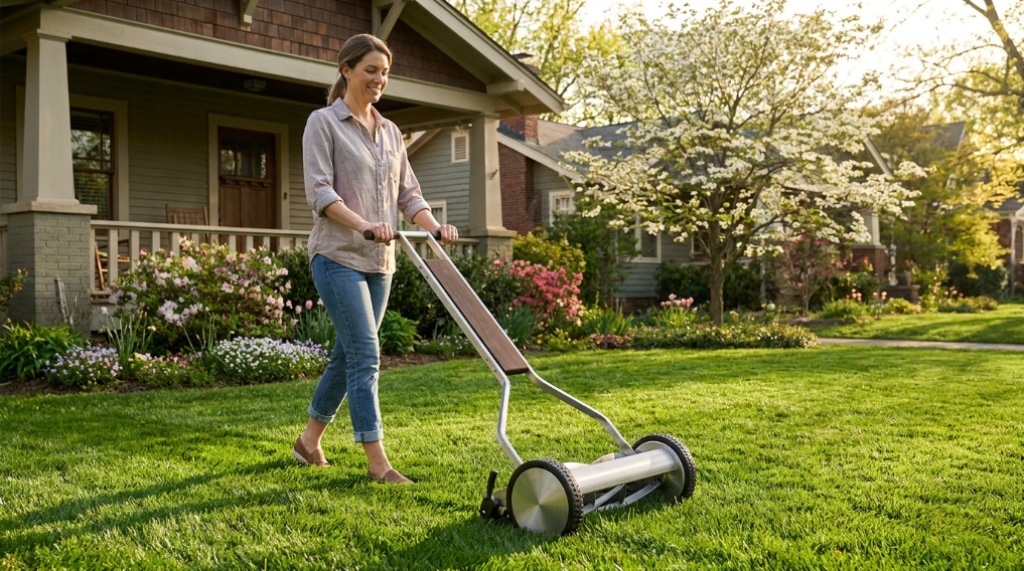
- Mow at proper height: Keep grass at 2.5–3.5 inches to promote strength.
- Use balanced fertilizers: Apply slow-release nitrogen in spring and fall.
- Control weeds early: Apply pre-emergent herbicides before weed seeds sprout.
- Monitor for pests: Check for grubs or insects and treat promptly.
These steps, combined with consistent care, prevent most lawn issues. For example, aerating my lawn each fall has kept it lush and resilient. Regular maintenance saves time and money compared to fixing severe damage later.
Mistakes to Avoid When Caring for Your Lawn
Common lawn care mistakes can worsen troubles. Overwatering drowns roots, while underwatering stresses grass. Mowing too short weakens turf, inviting weeds and pests. Ignoring soil tests leads to nutrient imbalances, stunting growth. Applying too much fertilizer burns grass, and neglecting pest checks allows infestations to spread. I once over-fertilized my lawn, causing brown patches that took weeks to recover.
To avoid these errors, follow a consistent care schedule. Water deeply but infrequently, mow at the recommended height, and test soil annually. Use fertilizers sparingly and scout for pests weekly. The University of Maryland Extension reports that 40% of lawn damage results from over-fertilization. By avoiding these pitfalls, you’ll maintain a thriving, trouble-free lawn.
Conclusion
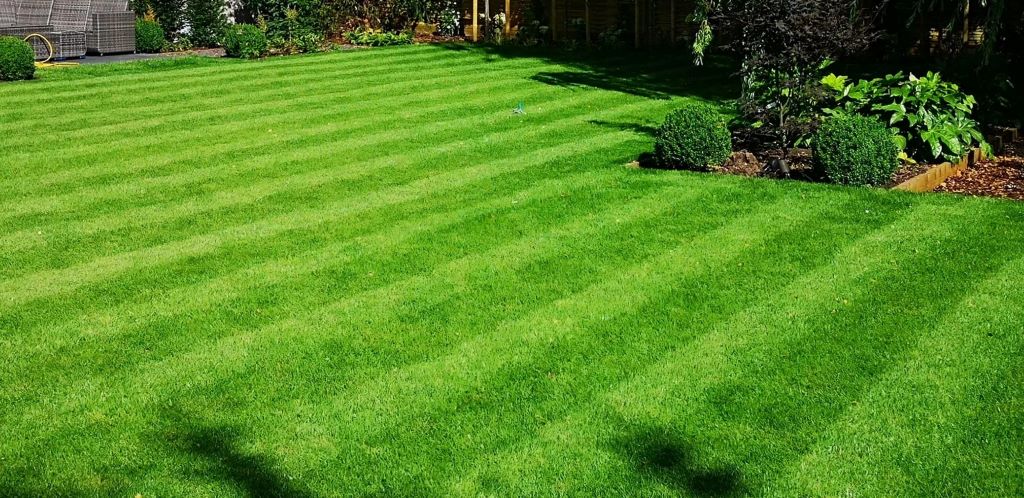
Lawn troubles like weeds, brown spots, or pests can feel overwhelming, but they’re manageable with the right approach. By addressing soil health, watering properly, and controlling pests, you can transform your yard into a lush, inviting space. Regular maintenance, informed by soil tests and careful observation, prevents most issues from escalating. My own journey with lawn care taught me that patience and consistency yield a vibrant yard. Take action today—test your soil, adjust your watering, and tackle weeds early. Your lawn will thank you with green, healthy growth. Share your lawn care tips or questions in the comments below, or spread this guide to help others conquer their lawn troubles!
FAQs
Why Is My Lawn Turning Brown in Spots?
Brown spots often result from drought, pet urine, or fungal diseases. Test soil, water deeply, and apply fungicides if needed.
How Can I Stop Weeds From Growing?
Maintain dense grass, mow at 3 inches, and use pre-emergent herbicides in spring to prevent weed seed germination.
What Pests Are Damaging My Lawn?
Grubs, chinch bugs, or sod webworms are common culprits. Scout regularly and use targeted insecticides or nematodes.
How Often Should I Water My Lawn?
Water 1 inch weekly, early in the morning, to encourage deep roots and prevent fungal growth.
Why Is My Grass Thinning Out?
Thinning grass may stem from poor soil, improper mowing, or pests. Aerate, fertilize, and mow at the correct height.
Read More: