

Nothing frustrates homeowners more than discovering unsightly patches and discolored spots across their once-pristine lawn. Lawn fungus problems affect millions of yards annually, turning healthy grass into weakened, patchy landscapes that diminish curb appeal. However, understanding how to identify and treat these fungal infections can save your lawn from permanent damage.
Fungal diseases thrive in specific conditions, particularly during humid weather and poor air circulation. Therefore, recognizing early warning signs becomes crucial for successful treatment. Additionally, implementing proper prevention strategies helps maintain a resilient, disease-resistant lawn throughout the growing season.
This comprehensive guide will walk you through common fungal infections, their distinctive symptoms, and proven treatment methods that restore your grass to optimal health.
Understanding Common Types of Lawn Fungal Diseases
Brown Patch Disease Recognition and Characteristics
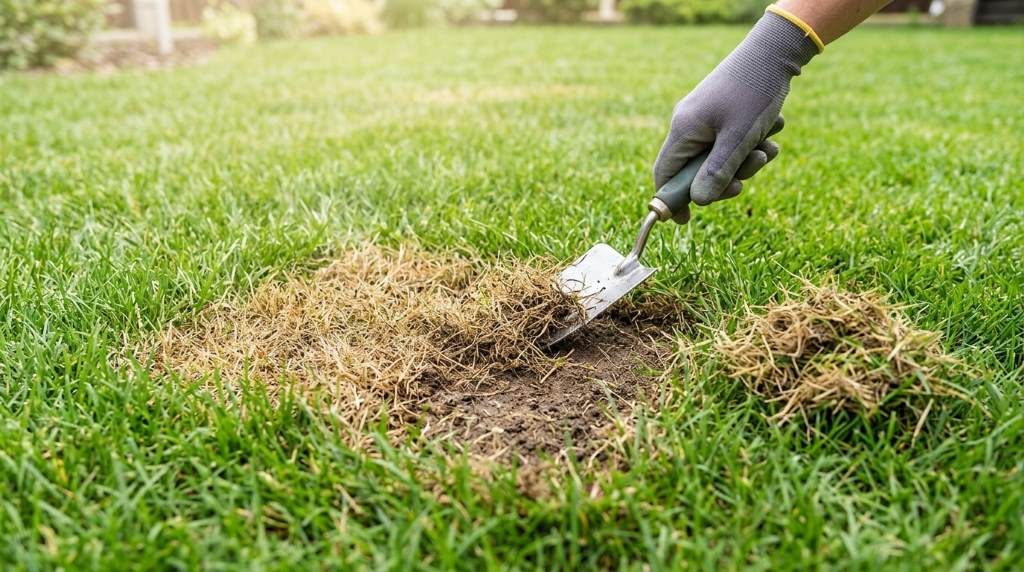
Brown patch represents one of the most widespread fungal infections affecting residential lawns across various grass types. This disease typically appears as circular brown patches ranging from six inches to several feet in diameter. Moreover, the affected areas often display a distinctive “smoke ring” pattern around the perimeter during early morning hours.
Cool-season grasses like tall fescue and perennial ryegrass show particular vulnerability to brown patch during hot, humid summer months. The fungus thrives when nighttime temperatures exceed 68°F combined with high humidity levels. Furthermore, overwatering and excessive nitrogen fertilization create ideal conditions for rapid disease development and spread throughout your lawn.
Dollar Spot Disease Symptoms and Identification
Dollar spot creates small, silver-dollar-sized patches of bleached grass that eventually merge into larger affected areas. This fungal disease produces distinctive tan-colored lesions with reddish-brown borders on individual grass blades. Additionally, spider web-like mycelium becomes visible during early morning dew, helping distinguish dollar spot from other lawn diseases.
Bentgrass and bermuda grass varieties experience the highest susceptibility to dollar spot infections. Low nitrogen levels and drought stress significantly increase your lawn’s vulnerability to this particular fungus. Therefore, maintaining proper fertility levels and consistent moisture helps prevent dollar spot development in susceptible grass types.
Environmental Factors That Promote Fungal Growth in Lawns
Weather Conditions Supporting Disease Development
Specific weather patterns create perfect breeding grounds for various lawn fungal infections throughout different seasons. High humidity levels combined with moderate temperatures between 60°F and 80°F promote rapid fungal spore germination and spread. Moreover, extended periods of leaf wetness from irrigation, rain, or heavy dew provide the moisture necessary for disease establishment.
Poor air circulation around grass blades exacerbates these conditions by preventing rapid drying after moisture exposure. Dense tree canopy coverage, nearby structures, and thick thatch layers all contribute to stagnant air conditions. Consequently, improving airflow through strategic pruning and thatch removal significantly reduces fungal disease pressure in problematic lawn areas.
Soil and Maintenance Factors Influencing Disease Susceptibility
Compacted soil conditions restrict proper drainage and create anaerobic environments that favor harmful fungal organisms over beneficial microbes. Additionally, improper mowing practices like cutting grass too short or using dull blades create entry points for pathogenic fungi. Overfertilization with nitrogen-rich products produces lush, soft growth that increases disease susceptibility.
According to research from the University of Maryland Extension, lawns with poor drainage experience 40% higher fungal disease incidence compared to well-drained areas. This data emphasizes the critical importance of addressing underlying soil conditions before implementing treatment strategies for existing infections.

Proven Methods for Treating Existing Lawn Fungal Infections
Chemical Fungicide Applications and Timing Strategies
Professional-grade fungicides offer the most effective treatment option for severe fungal infections that resist cultural control methods. Preventive fungicide applications work better than curative treatments, so timing becomes crucial for success. Therefore, apply fungicides before disease symptoms appear or at the very first signs of infection for optimal results.
Systemic fungicides like propiconazole and azoxystrobin provide longer-lasting protection compared to contact fungicides that only protect treated surfaces. However, rotating between different fungicide classes prevents resistance development in fungal populations. Moreover, always follow label instructions precisely regarding application rates, timing intervals, and safety precautions during treatment procedures.
Organic and Natural Treatment Approaches
Beneficial microorganisms and organic treatments provide environmentally friendly alternatives for managing lawn fungal diseases. Compost tea applications introduce beneficial bacteria and fungi that compete with pathogenic organisms for resources and space. Additionally, baking soda solutions create alkaline conditions that inhibit fungal growth when applied during early infection stages.
Neem oil and horticultural oils suffocate fungal spores and disrupt disease cycles without harming beneficial insects or soil organisms. Furthermore, proper cultural practices like improving drainage, reducing thatch, and adjusting watering schedules often resolve minor fungal problems without chemical intervention. These natural approaches require patience but provide long-term benefits for overall lawn health and ecosystem balance.
Essential Prevention Strategies for Long-term Lawn Health
Proper Watering Techniques and Scheduling
Correct irrigation practices form the foundation of effective fungal disease prevention in home lawns. Water deeply but infrequently to encourage deep root development while allowing soil surface to dry between applications. Moreover, morning watering allows grass blades to dry quickly, reducing the extended leaf wetness periods that promote fungal infections.
Avoid evening irrigation that keeps grass wet overnight, creating ideal conditions for disease development. Additionally, adjust sprinkler heads to prevent water from pooling in low-lying areas where fungal problems commonly occur. Therefore, investing in proper irrigation systems and timing controls significantly reduces your lawn’s vulnerability to various fungal diseases throughout the growing season.
Soil Health Improvement and Maintenance Practices
Healthy soil supports vigorous grass growth that naturally resists fungal infections and recovers quickly from disease pressure. Regular soil testing reveals pH imbalances, nutrient deficiencies, and organic matter levels that affect disease susceptibility. Furthermore, annual core aeration relieves soil compaction and improves drainage in problematic areas.
Overseeding with disease-resistant grass varieties gradually improves your lawn’s genetic diversity and natural disease tolerance. Additionally, maintaining proper thatch levels below half an inch prevents the buildup of dead organic matter that harbors harmful fungi. These proactive measures create unfavorable conditions for disease development while promoting overall lawn vigor and resilience.
Professional vs DIY Treatment Decision Making
When to Call Lawn Care Professionals
Extensive fungal infections covering large lawn areas require professional diagnosis and treatment to prevent permanent grass loss. Additionally, recurring disease problems despite proper cultural practices indicate underlying issues that need expert evaluation and customized treatment programs. Professional lawn care services have access to commercial-grade fungicides and application equipment unavailable to homeowners.
Moreover, misidentifying diseases or using incorrect treatments can worsen existing problems and waste significant time and money. Therefore, consulting certified turfgrass professionals ensures accurate diagnosis and appropriate treatment recommendations for your specific grass type and growing conditions. Their expertise proves invaluable for developing long-term management strategies that prevent future disease outbreaks.
Cost-Effective DIY Prevention and Treatment Options
Homeowners can successfully manage minor fungal problems through proper cultural practices and readily available organic treatments. Regular lawn maintenance including proper mowing, watering, and fertilization prevents most common fungal diseases from establishing in healthy grass. Additionally, early intervention with organic fungicides often resolves localized infections before they spread extensively.
DIY soil testing kits and pH meters help identify conditions that promote disease development. Furthermore, improving drainage through simple techniques like topdressing with compost or installing drainage tiles addresses fundamental problems causing recurring infections. These preventive measures cost significantly less than repeated fungicide treatments while providing lasting benefits for overall lawn health and appearance.
Frequently Asked Questions
How can I tell if my lawn has a fungal infection?
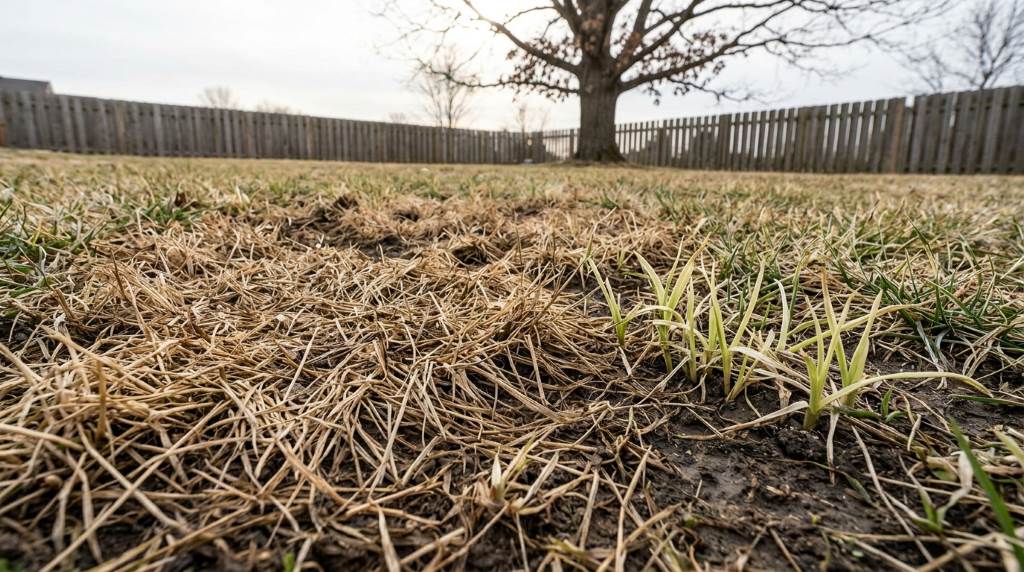
Look for circular brown patches, discolored grass blades with distinct lesions, or areas where grass appears thin and weak. Additionally, white or gray fungal threads may be visible during early morning hours when dew is present on affected areas.
What time of year do lawn fungal problems occur most frequently?
Most fungal diseases develop during warm, humid conditions in late spring through early fall. However, some fungi like snow mold appear during winter months under snow cover or in consistently moist, cool conditions.
Can I prevent lawn fungus without using chemical treatments?
Yes, proper cultural practices including correct watering, adequate fertilization, regular aeration, and maintaining appropriate grass height significantly reduce fungal disease occurrence. Additionally, improving soil drainage and air circulation naturally creates unfavorable conditions for most lawn fungi.
How long does it take to see results from fungicide treatments?
Preventive fungicides show effects within 7-14 days, while curative treatments may take 2-4 weeks to show visible improvement. However, severely damaged grass areas may require overseeding or sodding to achieve complete recovery.
Are lawn fungal diseases harmful to pets or children?
Most lawn fungi are not directly harmful to humans or pets. However, some fungicide treatments require keeping children and pets off treated areas until products dry completely. Always read and follow all label instructions for safety information.
Conclusion
Successfully managing lawn fungus problems requires understanding disease identification, implementing appropriate treatments, and maintaining preventive practices throughout the growing season. Early recognition of symptoms allows for prompt intervention that prevents extensive damage and costly lawn renovation projects.
Remember that healthy soil and proper cultural practices provide the best defense against fungal infections. Therefore, focus on creating optimal growing conditions through correct watering, fertilization, and maintenance techniques. Additionally, don’t hesitate to consult professionals when dealing with persistent or extensive disease problems that resist DIY treatment approaches.
Your lawn can recover from fungal infections and maintain its beauty with consistent care and attention. Share this article with fellow homeowners facing similar challenges, and leave a comment about your own experiences treating lawn fungal diseases.
Related Topics:
Lawn Diseases: Identifying the Most Common Threat to Your Green Oasis