
Imagine rushing out after a rainstorm, eager to tidy your yard. You grab the mower and start cutting that soggy grass. At first, everything seems fine. However, problems soon emerge. This common mistake leads to unexpected issues. Homeowners often overlook the risks. Yet, understanding these effects can save your lawn and equipment.
Mowing wet grass means cutting blades when they’re damp from rain or dew. This practice harms the turf in multiple ways. For instance, it causes uneven cuts and promotes diseases. According to the University of Maryland Extension, wet mowing increases fungal infections by up to 30%. Additionally, a study from the USDA shows that compacted soil from this activity reduces root growth by 15-20%. Therefore, learning the consequences helps you maintain a healthy yard. Now, let’s explore the details.
Why Do People Mow Wet Grass?
Many gardeners face busy schedules. They squeeze in lawn care whenever possible. Rain disrupts plans, so they mow anyway. Convenience drives this choice. Besides, some believe wet grass cuts easier. However, myths persist about its benefits.
Weather plays a big role. In rainy regions, dry days feel rare. People worry about overgrown lawns attracting pests. Consequently, they ignore warnings. Friends share stories of successful wet mowing. Yet, these anecdotes overlook hidden damage. For example, one neighbor might boast about quick results. But over time, their yard shows bare patches.
Lawn experts advise patience. Still, impatience wins out. New homeowners lack experience. They follow old habits without question. Education changes this behavior. By recognizing reasons, you avoid pitfalls. Transitioning to better timing improves outcomes.
Immediate Effects on Your Lawn
Wet grass bends under pressure. Mowers tear blades instead of slicing cleanly. This results in ragged edges. Brown tips appear soon after. Moreover, clumps form from stuck cuttings. These smother healthy growth below.
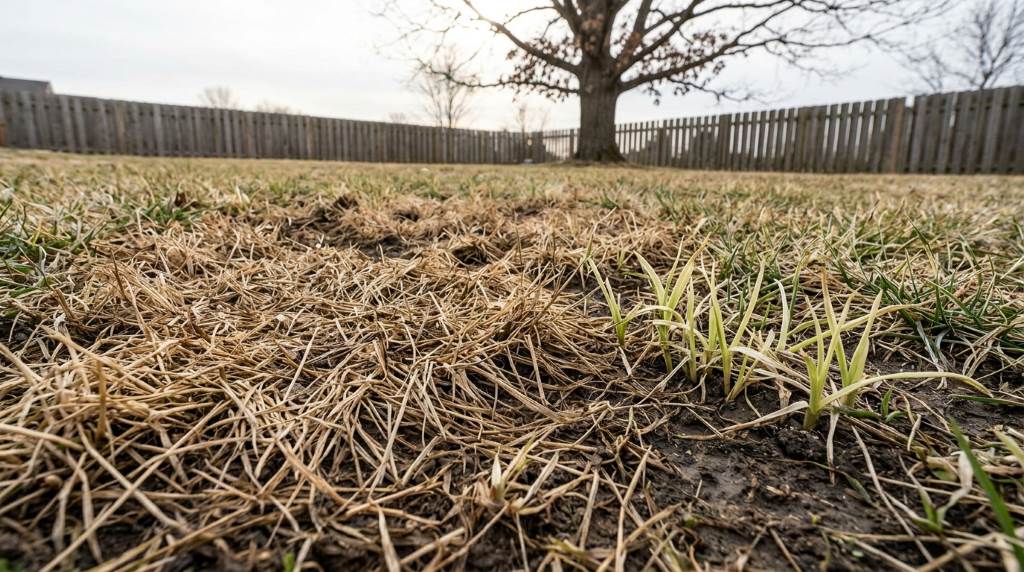
Soil compaction happens quickly. Wheels sink into mud, pressing dirt tightly. Roots struggle for air and water. As a result, patches turn yellow. Fungal spores spread easily in moisture. Diseases like brown patch thrive.
Consider a case study from a Midwest suburb. Residents mowed after heavy rain. Within days, lawns showed uneven heights. Bare spots emerged where wheels rutted the ground. Experts noted increased weed invasion. Weeds fill voids left by damaged grass. Therefore, immediate care prevents escalation.
Using sharp blades helps somewhat. However, dryness remains key. Always check the forecast before starting. This simple step avoids many issues.
Long-Term Damage to Grass Health
Over months, repeated wet mowing weakens roots. Plants become susceptible to drought. They recover slowly from stress. Furthermore, nutrient uptake drops in compacted soil. Fertilizers wash away unused.
Diseases linger in damp conditions. Fungi overwinter and return stronger. Your lawn thins out gradually. Bald areas expand without intervention. In addition, biodiversity suffers. Beneficial insects flee poor habitats.
Research from Cornell University highlights this. Their trials showed 25% less density in wet-mowed plots over a season. Another report from the EPA links it to higher pesticide needs. Chemicals compensate for weakened defenses. Yet, natural methods work better long-term.
Homeowners notice changes subtly. Grass grows slower. Colors fade to dull green. Eventually, reseeding becomes necessary. Prevention saves effort. Aerate soil annually to counteract compaction. Mulch clippings properly during dry spells.
Impact on Your Mower
Water and grass mix into a sticky mess. This clogs decks and blades. Engines strain under extra load. Parts wear faster from friction. Rust forms on metal surfaces exposed to moisture.
Cleaning takes longer after each use. Neglect leads to breakdowns. For instance, belts slip in wet conditions. Sparks fly from electrical issues. Safety features fail unexpectedly.
A survey by the Outdoor Power Equipment Institute found 40% of repairs stem from wet operation. Mechanics report corroded carburetors often. Blades dull quicker on torn fibers. Sharpening frequency doubles.
Maintain your tool wisely. Dry it thoroughly post-use. Store in a sheltered spot. Regular oil changes extend life. These habits reduce downtime. Transition to electric models for less vulnerability.
Safety Risks Involved
Slippery ground increases fall chances. You lose footing easily. Mowers slide on inclines. Injuries range from sprains to cuts. Debris flies farther in wet air.
Electrical hazards loom with corded machines. Water conducts shocks. Gas models leak fuel in puddles. Fires start from sparks. Children and pets face greater dangers nearby.
Statistics from the Consumer Product Safety Commission reveal 80,000 annual mower injuries. Many occur in damp weather. Wet hands slip on controls. Visibility drops with fogged glasses.
Wear proper gear always. Non-slip shoes grip better. Gloves provide secure hold. Clear areas of obstacles first. Pause if conditions worsen. Training courses teach safe techniques. Prioritize health over haste.
Environmental Consequences
Runoff carries clippings into streams. Nutrients cause algae blooms. Water quality declines. Wildlife suffers from habitat loss. Pollinators avoid stressed lawns.
Soil erosion accelerates on slopes. Bare earth washes away. Sediments clog drains. Flooding risks rise in neighborhoods. Carbon footprints grow with extra repairs.
The Environmental Protection Agency notes eutrophication from lawn waste. Their data shows 20% more phosphorus in affected waters. Communities pay for cleanup.
Eco-friendly alternatives exist. Native plants need less mowing. Rain gardens absorb excess water. Composting clippings recycles nutrients. These steps benefit the planet. Communities thrive with sustainable practices.
Alternatives to Mowing Wet Grass
Wait for dryness first. Grass perks up after evaporation. Morning dew lifts by noon, usually. Afternoon sun aids this process.
Hand trim edges if urgent. Scissors handle small areas safely. Meanwhile, focus on other tasks. Weed pulling works well in soft soil.
Invest in weather apps. They predict dry windows accurately. Plan schedules around forecasts. Flexibility pays off.
Consider taller grass benefits. It shades roots from heat. Weeds compete less effectively. Biodiversity increases naturally.
- Mulching mowers: Recycle nutrients without clumping.
- Robotic options: Program for dry times automatically.
- Professional services: Handle tricky weather for you.
These choices preserve quality. Transition smoothly to better routines.
Best Practices for Lawn Care in Wet Conditions
Aerate before rainy seasons. Holes improve drainage. Roots breathe easier. Apply sparingly if needed.
Fertilize in dry spells. Nutrients absorb better then. Avoid over-application. Balance promotes resilience.
Water deeply but infrequently. This encourages deep roots. Morning sessions minimize evaporation.
Monitor for pests regularly. Early detection prevents outbreaks. Natural predators help control.
- Choose drought-resistant varieties.
- Overseed bare spots promptly.
- Rotate mowing patterns.
Experts recommend integrated management. Combine methods for optimal health. Patience yields lush results. Stories from gardeners confirm this. One transformed a soggy yard through timing adjustments. Now, it flourishes year-round.
Incorporate compost annually. It boosts soil structure. Microbes thrive in enriched earth. Drainage improves noticeably.
Test soil pH periodically. Adjustments ensure nutrient availability. Neutral levels suit most grasses.
Prune trees for better airflow. Sunlight dries turf faster. Wind circulates air effectively.
These tips build strong foundations. Your lawn withstands weather challenges better.
How Wet Mowing Affects Different Grass Types
Cool-season grasses like Kentucky bluegrass suffer most. They clump easily when damp. Fescues tear under blades. Recovery takes weeks.
Warm-season varieties fare slightly better. Bermuda tolerates moisture more. Yet, zoysia shows fungal spots quickly.
Regional differences matter. Northern lawns face frequent rains. Southern ones deal with humidity.
Adapt strategies accordingly. Research local extensions for advice. They provide tailored guides.
For example, inthe Pacific Northwest, waiting 24 hours post-rain helps. Southeast gardeners mow mid-morning.
Understanding varieties guides decisions. Healthy choices prevent issues.
Preventing Diseases from Wet Mowing
Fungi love wet environments. Spores germinate on cut surfaces. Infections spread via clippings.
Clean tools between uses. Disinfect blades with alcohol. This halts transmission.
Improve air circulation. Thin dense areas. Sunlight inhibits growth.
Apply fungicides preventively if history exists. Organic options like neem work well.
Monitor weather patterns. Avoid mowing before storms. Dry periods reduce risks.
Case studies show success. A community garden cut infections by 50% through vigilance.
Stay proactive. Your efforts pay dividends.
Repairing Damage After Wet Mowing
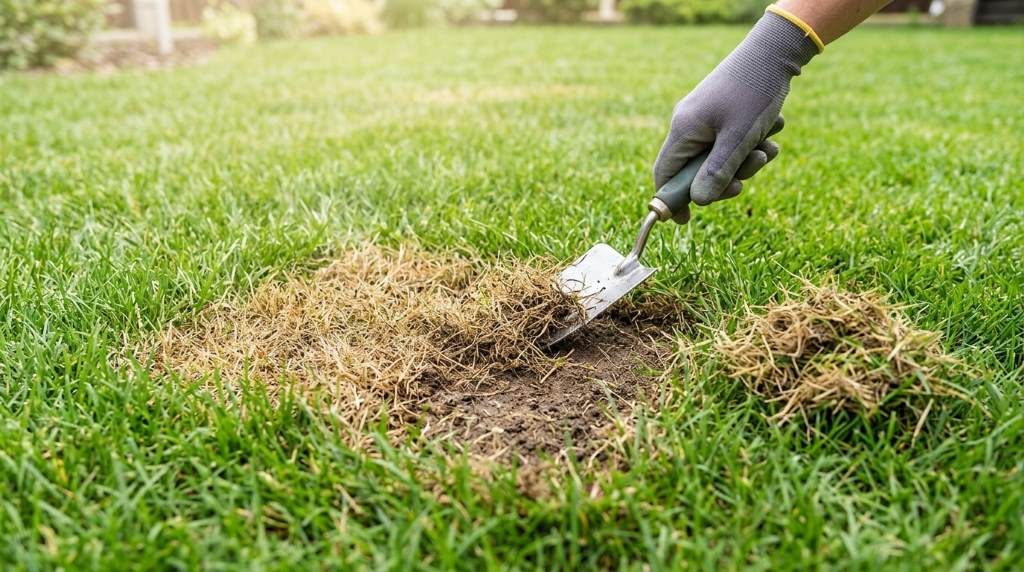
Assess affected areas first. Remove clumps gently. Rake lightly to avoid further harm.
Aerate compacted spots. This relieves pressure. Roots regain access.
Overseed with matching types. Cover lightly with soil. Water consistently.
Fertilize sparingly. Boost recovery without overload.
Patience matters here. Full regrowth takes months. Monitor progress weekly.
Success stories inspire. One homeowner revived a lawn in six weeks. Consistent care made the difference.
Tools like core aerators speed processes. Rent them affordably.
These steps restore vitality. Learn from mistakes for future gains.
Seasonal Considerations for Mowing
Spring brings heavy rains. Grass grows rapidly. Wait longer between cuts.
Summer heat dries quickly. Morning mowing suits best. Avoid midday scorch.
Fall leaves add moisture. Clear them first. Prevent smothering.
Winter dormancy pauses needs. Focus on preparation.
Adjust to climates. Tropical areas mow year-round carefully.
Planning aligns with nature. Results show in vibrant yards.
Myths About Mowing Wet Grass
Some say it fertilizes naturally. Clippings decompose. But wet ones mat down.
Others claim sharper cuts. Blades slip instead. Tears invite pests.
Electricity myths persist. Modern mowers handle safely. Still, caution rules.
Debunk with facts. Studies prove otherwise. Educate peers.
Transition from fiction to reality. Better lawns follow.
Economic Impacts of Poor Mowing Habits
Repairs add up over time. New blades cost regularly. Full replacements strain budgets.
Reseeding expenses mount. Professional help multiplies fees.
Energy use rises with strained engines. Fuel consumption increases.
Long-term savings come from proper care. Healthy lawns need less input.
Communities benefit too. Attractive yards boost property values.
Invest wisely in routines. Rewards appear financially.
Community Stories and Experiences
Gardeners share tales online. One avoided disaster by waiting. Their yard thrived.
Another learned the hard way. Bare patches taught lessons. Now, they advise others.
Forums buzz with tips. Real experiences guide newcomers.
Join discussions. Learn collectively. Stories connect us.
These narratives humanize advice. Apply them personally.
Integrating Technology in Lawn Care
Apps track weather precisely. Alerts notify dry times. Convenience meets science.
Smart mowers detect moisture. They pause automatically. Innovation simplifies.
Drones survey large areas. Spot issues early.
Embrace tools. They enhance efforts. The future holds more.
Stay updated. Tech evolves rapidly.
Conclusion
Mowing wet grass brings many issues. It damages lawns immediately and long-term. Your mower suffers too. Safety risks rise. The environment pays a price. Alternatives exist for better results. Best practices guide safe care.
Act now to protect your yard. Check weather and wait for dryness. Your lawn will thank you with lush growth.
FAQs
Is It Ever Okay to Mow Wet Grass?
Rarely, in light dew, you might proceed carefully. However, heavy wetness causes problems. Experts recommend dryness always. This prevents tears and diseases.
What Happens If I Mow Grass After Rain?
Tears occur on blades. Soil compacts under weight. Fungi spread quickly. Clumps smother growth. Wait 24 hours typically.
How Does Wet Mowing Affect My Mower’s Lifespan?
Clogs build up inside. Rust forms on parts. Engines overwork. Repairs increase frequency. Clean thoroughly to mitigate.
Can Wet Mowing Cause Lawn Diseases?
Yes, moisture aids fungi. Cuts invite infections. Brown patch and rust appear. Proper timing reduces risks.
What Are Safe Alternatives During Rainy Seasons?
Trim small spots manually. Use mulching techniques. Schedule around forecasts. Plant resilient varieties.