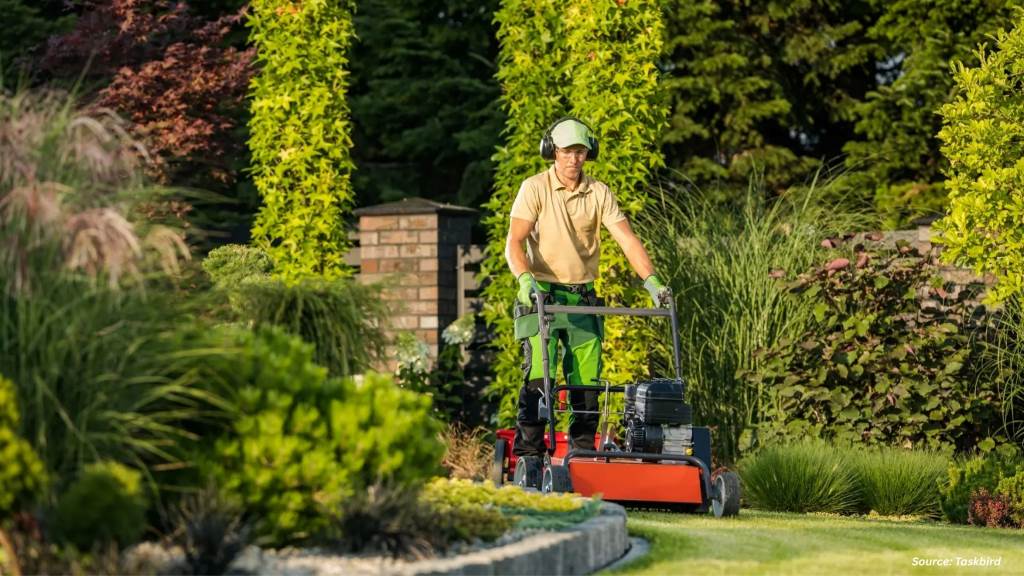

Imagine stepping into your backyard, the grass perfectly manicured, vibrant flowers blooming, and the hum of a well-maintained lawnmower in the distance. For millions of homeowners and businesses worldwide, this vision drives a booming industry: lawn care tools and professional services. With the global landscaping market valued at over $330 billion in 2024 and projected to reach nearly $485 billion by 2030, the demand for lawn care solutions is skyrocketing. But where are the biggest markets for these tools and services, and what’s fueling their growth? In this article, we’ll explore the top regions, key trends, and opportunities in the lawn care industry, providing actionable insights for homeowners, professionals, and businesses alike.
The Global Lawn Care Market: A Snapshot
The lawn care industry encompasses a wide range of products and services, from lawnmowers and trimmers to professional landscaping and maintenance. It’s driven by a growing emphasis on outdoor aesthetics, environmental sustainability, and technological advancements. According to industry reports, the global landscaping services market is expected to grow at a compound annual growth rate (CAGR) of 6.7% from 2025 to 2030, while the lawn and garden equipment market is projected to hit $50.85 billion by 2028. These figures highlight the immense opportunities in both residential and commercial sectors.
The biggest markets for lawn care tools and services are shaped by factors like urbanization, rising disposable incomes, and a cultural affinity for well-maintained green spaces. Let’s dive into the top regions driving this growth and the dynamics behind them.
North America: The Powerhouse of Lawn Care
United States: The Epicenter of Lawn Care Demand
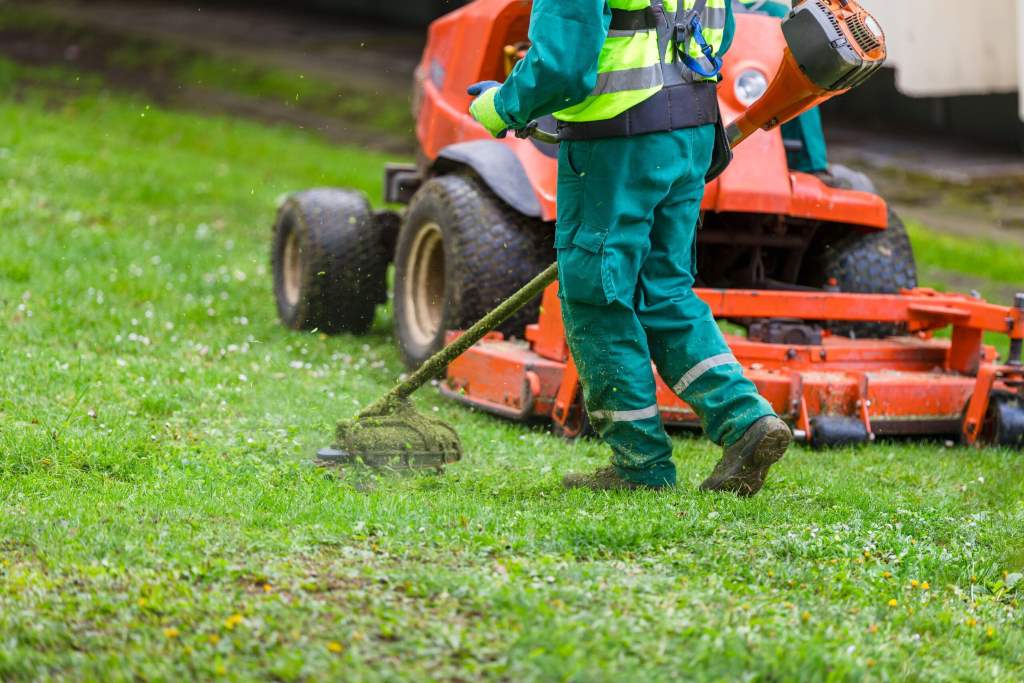
The United States dominates the lawn care market, accounting for over 83% of North America’s $330 billion landscaping services market in 2024. With a market size of $293.26 billion, the U.S. lawn care industry is projected to reach $487.1 billion by 2033, growing at a CAGR of 5.4%. This growth is fueled by several factors:
- Homeownership and Outdoor Aesthetics: Over 75% of U.S. homeowners invested in outdoor upgrades in 2022, driven by a desire for functional and visually appealing landscapes. A well-maintained lawn can boost property value by up to 15%, according to the National Association of Realtors.
- Commercial Demand: The commercial sector, including office complexes, hotels, and retail centers, holds a 58.42% share of the market. Corporate sustainability initiatives and urban development projects are increasing the need for professional landscaping services.
- Consumer Spending: The average U.S. household spent $616 on lawn care and gardening in 2022, a significant jump from $542 in 2021, reflecting a growing willingness to invest in professional services and high-quality tools.
Major players like TruGreen, BrightView Holdings, and The Davey Tree Expert Company lead the market, offering services like fertilization, pest control, and smart irrigation. Meanwhile, retailers like Home Depot (24% market share) and Lowe’s (20%) dominate lawn and garden equipment sales, with brands like Toro, John Deere, and Ryobi leading in tools.
Canada: A Growing Market for Green Spaces
Canada’s lawn care market is smaller but steadily growing, driven by similar trends in urbanization and sustainability. The focus on eco-friendly practices, such as xeriscaping and native plant landscaping, is gaining traction in drought-prone regions. Canadian homeowners and businesses are increasingly investing in automated tools like robotic mowers and smart irrigation systems, aligning with global trends toward efficiency and sustainability.
Europe: Sustainability and Innovation
Europe’s lawn care market is characterized by a strong emphasis on eco-friendly practices and technological innovation. The region’s gardening tools market is projected to grow steadily, driven by countries like Germany, the UK, and France. Key trends include:
- Eco-Conscious Consumer Preferences: European consumers prioritize organic fertilizers, battery-powered tools, and water-efficient irrigation systems to reduce environmental impact. This aligns with the EU’s sustainability goals, encouraging manufacturers to innovate.
- Urban Gardening: With 80% of the population expected to live in urban areas by 2050, compact tools and vertical gardening solutions are in high demand. Countries like the Netherlands and Sweden are leading in smart gardening technologies.
- Professional Services Growth: The commercial landscaping sector is expanding, particularly in urban centers where green spaces enhance property value and employee well-being. Companies like Husqvarna and Stihl are investing in robotic mowers and AI-driven turf management.
The European market is highly competitive, with no single company holding more than a 5% share, creating opportunities for smaller businesses to thrive through innovation and niche offerings.
Asia-Pacific: Rapid Urbanization and Rising Affluence
The Asia-Pacific region is emerging as a significant player in the lawn care market, driven by rapid urbanization and increasing disposable incomes in countries like China, India, and Australia. The region’s lawn and garden equipment market is growing at a CAGR of 7.1%, with key drivers including:
- Urban Expansion: As cities grow, the demand for green spaces in residential and commercial properties is rising. China and India are seeing increased investment in landscaping for aesthetic and environmental benefits.
- DIY Gardening Trends: The rise of home gardening, particularly post-pandemic, has boosted sales of tools like trimmers, blowers, and electric mowers. Brands like Honda and Falcon Garden Tools are capitalizing on this trend.
- Commercial Landscaping: Large-scale infrastructure projects and corporate campuses are driving demand for professional services, particularly in Australia and Singapore.
The Asia-Pacific market is expected to see significant growth in battery-powered and automated tools, reflecting global shifts toward sustainability and convenience.
Key Trends Shaping the Lawn Care Industry
Technological Advancements
The lawn care industry is undergoing a technological revolution. Innovations like robotic mowers, GPS-enabled equipment, and smart irrigation systems are transforming how homeowners and professionals maintain lawns. For example, the Robotic Mower M10, launched by UBHOME and Qualcomm in 2024, offers wireless navigation and real-time monitoring, reducing labor and improving efficiency. These advancements are particularly popular in North America and Europe, where consumers value convenience and precision.
Sustainability and Eco-Friendly Practices
Environmental consciousness is a major driver across all markets. Consumers are opting for organic fertilizers, electric tools, and drought-resistant landscaping to minimize environmental impact. In the U.S., 67% of adults are growing or plan to grow edible plants, increasing demand for sustainable garden maintenance. Xeriscaping, which uses native plants to reduce water usage, is gaining popularity in water-scarce regions like California and Australia.
Labor Challenges and Automation
The industry faces a labor crunch, with 59% of U.S. landscaping firms reporting hiring difficulties post-COVID. To address this, companies are turning to automation and software solutions like route optimization and crew tracking, which are growing at a 4% CAGR. These tools help businesses operate efficiently despite staffing shortages.
Rising Consumer Spending
Globally, household spending on lawn care is on the rise. In the U.S., the average household expenditure increased from $317 in 2014 to $616 in 2022, driven by trends like remote work and a focus on outdoor living spaces. Millennials and younger homeowners are particularly willing to invest in professional services and high-quality tools to enhance curb appeal.
Related Topics:
Top 10 Lawn Care Tools Every Gardener Should Own
Drought-Resistant Lawns: Top Grass Varieties and Care Strategies
Opportunities for Businesses and Homeowners
For businesses, the fragmented nature of the lawn care industry—where no company holds more than a 5% market share—presents significant growth opportunities. Smaller companies can compete by offering specialized services like eco-friendly landscaping or adopting technology to streamline operations. Subscription models, like those offered by Virginia Green, provide predictable revenue and customer loyalty through customized maintenance plans.
Homeowners can capitalize on the market by investing in durable, eco-friendly tools like battery-powered mowers from Toro or Honda. DIY enthusiasts can explore online tutorials and social media for inspiration, while those seeking professional services can benefit from providers offering comprehensive packages that include fertilization, pest control, and irrigation.
Challenges to Watch
Despite its growth, the lawn care industry faces challenges. High initial costs for professional-grade equipment can deter consumers, while labor shortages and rising fuel prices impact service providers. Additionally, climate change and water conservation concerns are pushing the industry toward sustainable solutions, requiring businesses to adapt quickly.
Conclusion: Seize the Green Opportunity
The lawn care tools and professional services market is thriving, with North America, Europe, and Asia-Pacific leading the charge. Fueled by urbanization, rising incomes, and a focus on sustainability, this industry offers immense potential for businesses and homeowners alike. Whether you’re a homeowner looking to enhance your outdoor space or a business aiming to tap into this growing market, now is the time to act.
Ready to transform your lawn or grow your landscaping business? Explore eco-friendly tools from brands like Toro or Husqvarna, or connect with a local professional service like TruGreen for a free consultation. Share your lawn care tips or questions in the comments below, and let’s cultivate greener spaces together.