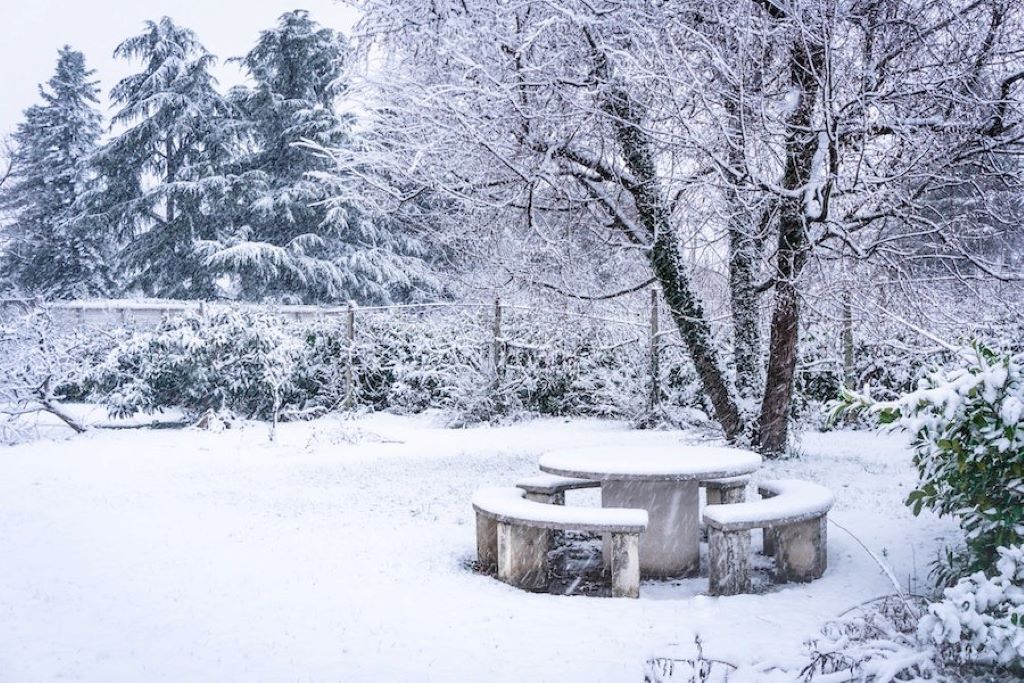

As the temperature begins to drop, many homeowners shift their focus indoors, overlooking the vital need for lawn care during the cold season. Yet, winter lawn preparation is one of the most overlooked steps in maintaining a lush, green yard. Ignoring it can undo the progress made throughout spring and summer. By preparing your lawn for winter, you give your grass a strong foundation to bounce back healthier and greener come spring.
Why Winter Lawn Prep Matters More Than You Think
According to the National Association of Landscape Professionals, nearly 70% of homeowners say that a well-maintained lawn is important. However, many forget that winter care plays a huge role in achieving that picture-perfect grass.
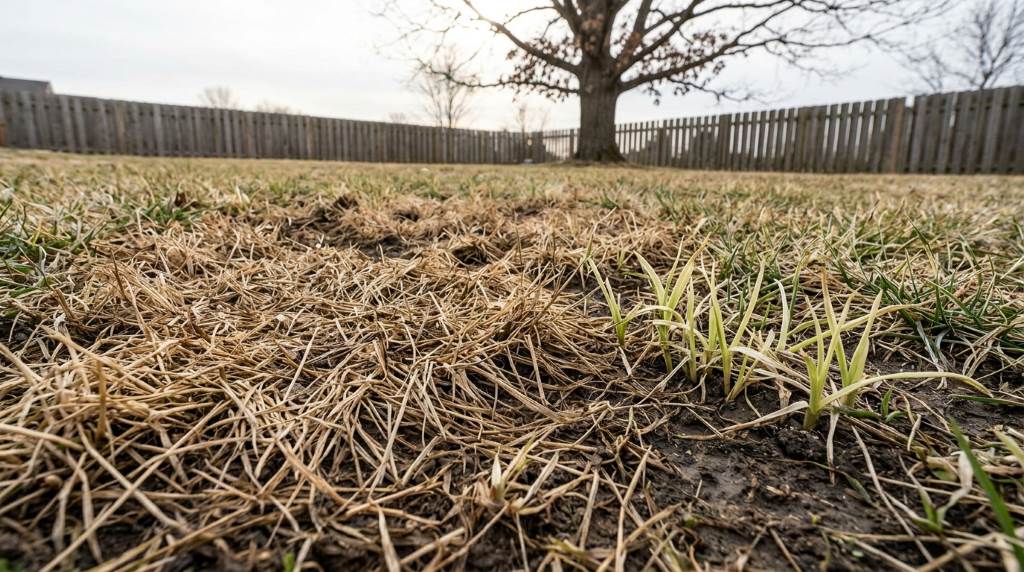
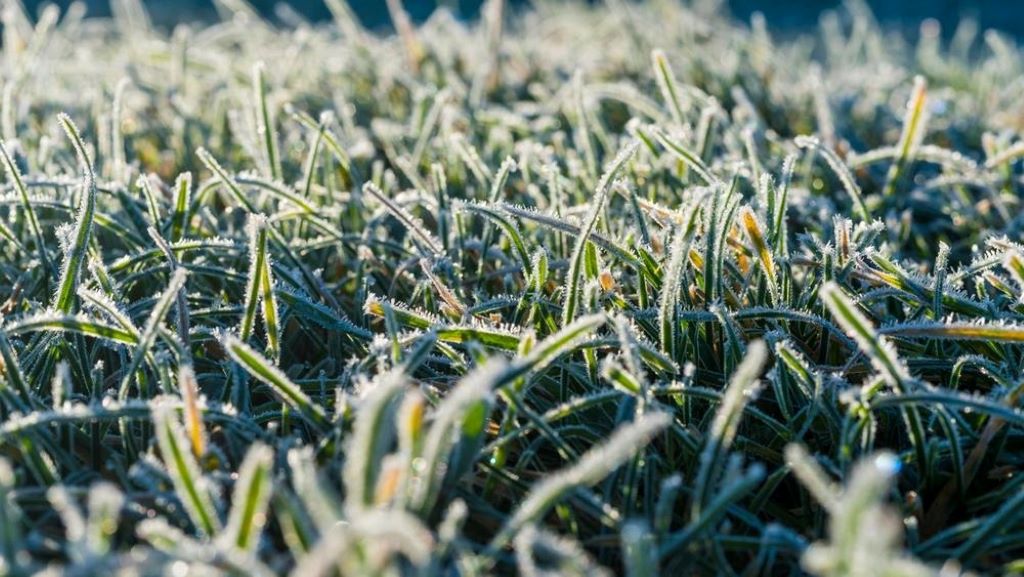
Grass, like most living organisms, enters a dormant phase during winter. But dormant doesn’t mean dead. If your lawn goes into the season weak or underfed, it struggles to survive harsh conditions like frost, snow, and reduced sunlight. The result? Patchy, brown, and weak grass in spring.
Healthy lawns also act as a natural filter, reducing dust and improving air quality. According to Environmental Protection Agency studies, dense turf grass can trap up to 12 million tons of dust annually in the U.S. alone. Preparing your lawn for winter helps maintain these benefits year-round.
Step-by-Step Guide to Winter Lawn Preparation
1. Rake and Remove Debris Early
Start with a thorough ranking. Dead leaves, twigs, and other debris can suffocate the grass, blocking sunlight and trapping moisture. This creates a breeding ground for mold and lawn diseases like snow mold, which thrives under damp, cold conditions.
A study by Purdue University highlights how debris left on lawns through winter increases the risk of fungal outbreaks by 40%. Rake regularly until the first frost to keep the lawn clean and breathable.
2. Keep Mowing—But Lower the Blade
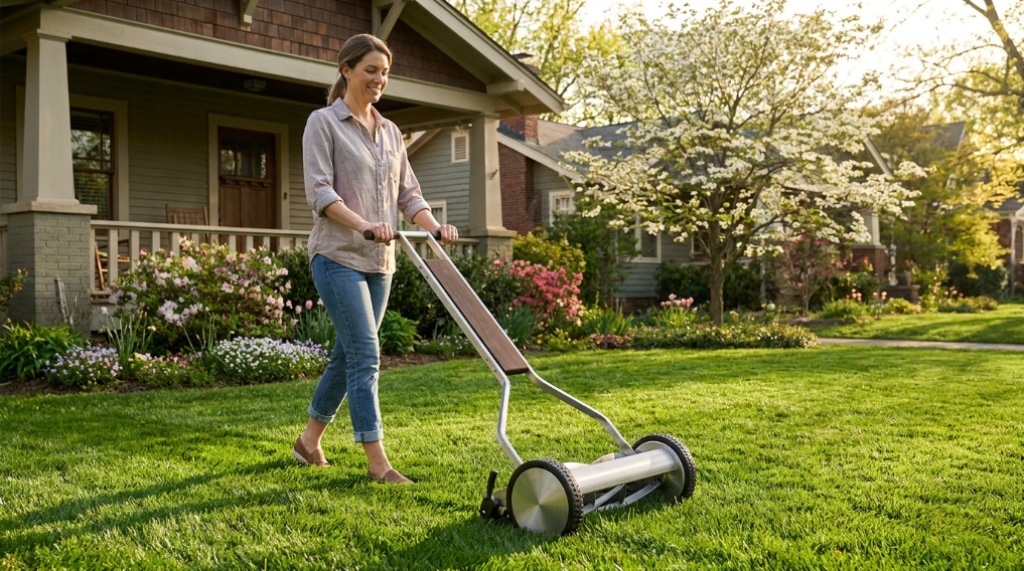
Mowing shouldn’t stop abruptly as summer ends. Continue mowing during fall, gradually lowering the blade height. Grass cut too high can become matted under snow, while cutting too short can expose roots to harsh temperatures.
Experts recommend maintaining a final mowing height of about 2 to 2.5 inches for cool-season grasses. This balance helps grass resist diseases while storing enough nutrients in the roots.
3. Aerate Before the Ground Freezes
Compacted soil blocks nutrients and water from reaching the root system. Lawn aeration—creating small holes in the soil—boosts root growth and improves oxygen flow.
Late fall is the best time to aerate cool-season lawns. Professionals use a core aerator, but homeowners can rent one from garden centers. Research from the University of Minnesota Extension shows that aerated lawns absorb winter fertilizers more efficiently by up to 25%.
4. Fertilize with a High-Nitrogen Formula
Fertilization in late fall delivers vital nutrients that help grass survive winter dormancy. Use a slow-release, high-nitrogen fertilizer labeled as a “winterizer.”
Nitrogen promotes root growth and carbohydrate storage, which fuels spring revival. According to Scotts, lawns that receive fall feeding are 60% greener and thicker in early spring compared to unfed lawns.
Apply the fertilizer after aerating to maximize absorption. Be sure to follow label instructions to avoid over-fertilizing, which can damage the grass.
5. Overseed Thin or Bare Patches
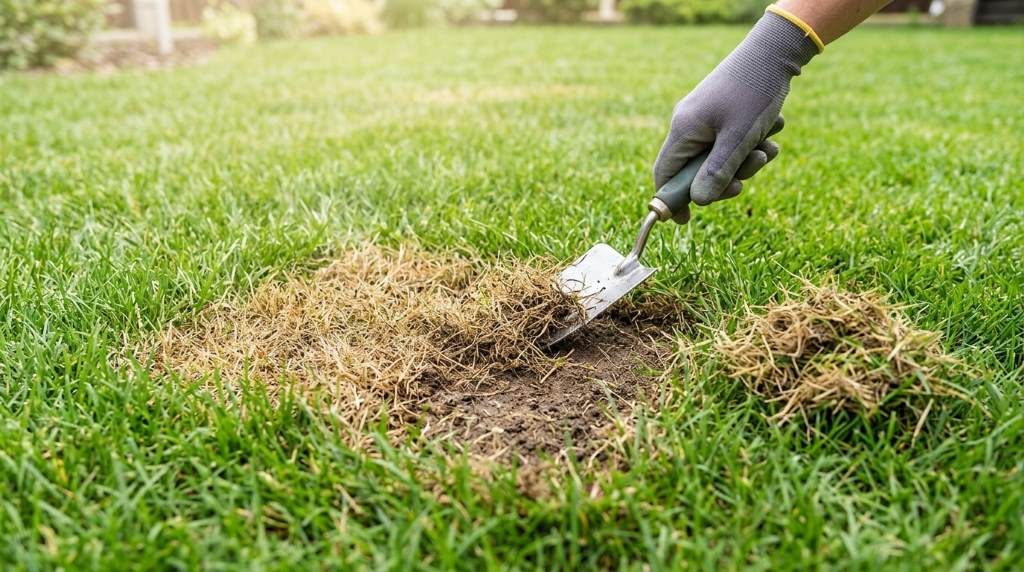
Overseeding improves lawn density and fills in weak spots before winter hits. This prevents weed invasion and helps grass recover faster in spring.
Choose a high-quality seed mix suited for your region and grass type. Overseed in early fall so seeds have time to germinate before the first frost. Water consistently to aid root development.
6. Water Until the Ground Freezes
Many assume watering ends with summer, but grass still needs hydration in fall. Continue watering deeply once a week until the ground begins to freeze.
Avoid shallow watering. Deep irrigation (around 1 inch per week) encourages strong roots and prevents winter desiccation, especially in areas with dry winds or limited snowfall.
7. Clear Heavy Snow and Avoid Traffic
Heavy snow accumulation can compact the soil and damage the lawn underneath. If safe, lightly remove snow layers from high-traffic zones using a plastic shovel.
Avoid walking or placing heavy items (like firewood or furniture) on dormant lawns. Frozen grass blades break easily, and repeated compression leads to dead patches in spring.
Featured Snippet: How Can I Winterize My Lawn Effectively?
Winterizing your lawn is essential for long-term grass health. Begin by removing leaves and debris to prevent fungal growth. Mow the lawn one final time, keeping the grass around 2.5 inches high. Aerate to improve soil structure and apply a slow-release winter fertilizer rich in nitrogen.
Water deeply until the ground freezes to ensure moisture reaches the roots. For thin areas, overseed using a cool-season seed mix. Avoid foot traffic on frozen grass and gently remove heavy snow. These steps will protect your lawn and ensure a greener, thicker recovery in spring.
Pro Tip: Use soil test kits before fertilizing to determine pH levels and nutrient needs. Balanced soil optimizes grass growth and reduces weed problems.
Expert Tips from Lawn Care Pros
-
Lawn Love recommends applying winter fertilizer 2 to 3 weeks before the first expected frost for best results.
-
Pennington Seed suggests overseeding every two years to maintain turf density.
-
Professional landscapers advise homeowners to service their mower before storing it—drained fuel tanks prevent damage over winter.
Real Homeowner Reviews
“I followed a fall lawn prep guide last year and my grass came back thicker than ever. The fertilizer made a huge difference!”
— Jason M., Minnesota
“I used to skip lawn care in fall. Once I started aerating and overseeding, those spring bare patches stopped appearing.”
— Diana R., New Jersey
Common Mistakes to Avoid
-
Skipping fertilization: Without nutrients, grass lacks the energy to survive dormancy.
-
Cutting too short: Scalped lawns expose roots and invite frost damage.
-
Overwatering: Waterlogged soil leads to mold. Stick to deep, infrequent watering.
Long-Term Benefits of Winter Lawn Preparation
Well-maintained lawns endure stress better, recover faster, and require fewer pesticides. Investing in winter care saves money in the long run. According to HGTV, properties with lush lawns can increase home value by 5-11%.
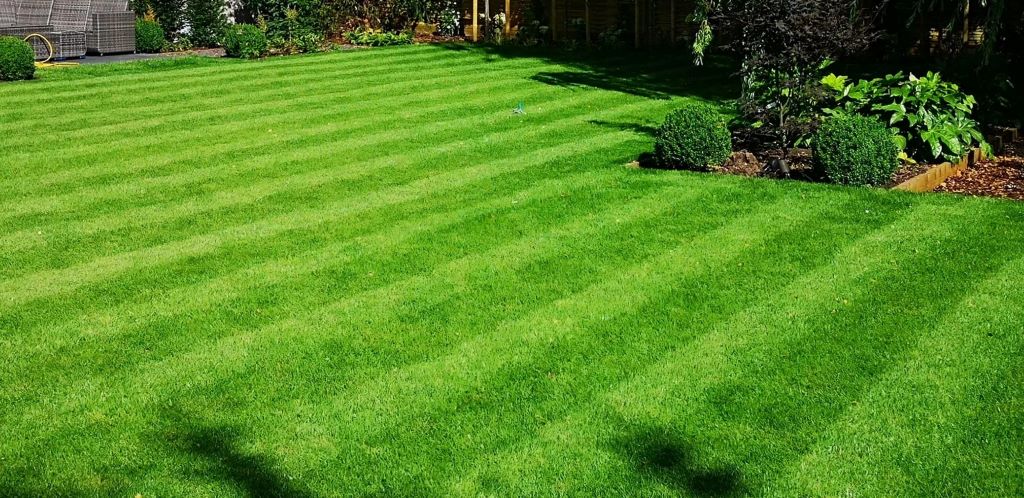
Lawn care isn’t just about aesthetics—it supports biodiversity, reduces erosion, and insulates soil temperature. Preparing now means fewer issues, lower costs, and a greener yard come spring.
FAQs: Preparing Your Lawn for Winter
1. When should I stop mowing my lawn in fall?
Stop mowing once the grass stops growing, typically after the first hard frost.
2. Can I fertilize after the first frost?
Yes, but try to apply fertilizer before the ground hardens to maximize nutrient uptake.
3. What’s the best grass height before winter?
Around 2 to 2.5 inches is ideal. Avoid scalping or leaving it too tall.
4. Should I rake leaves or mulch them into the lawn?
Both work. Mulched leaves can provide organic matter if not too thick. Otherwise, rake to prevent smothering.
5. Do all grass types need winter prep?
Yes, though cool-season grasses benefit the most. Warm-season lawns still need mowing, raking, and light feeding.
6. What tools are essential for winter prep?
Rake, mower, aerator, fertilizer spreader, and hose or sprinkler system.
7. Is it okay to walk on the lawn during winter?
Limit foot traffic when the lawn is frozen to avoid compacting the soil or damaging dormant grass.
Final Thoughts
Winter lawn care isn’t just optional—it’s the foundation for a thriving yard next year. By taking the right steps now, you avoid common spring setbacks like brown patches, weeds, and disease. More importantly, you save time, money, and effort come spring.
Whether you’re a hands-on DIY gardener or prefer hiring a local pro, preparing your lawn for winter is a must. Protect your investment, boost curb appeal, and enjoy a healthier lawn year after year.
Read More: Top Lawn Care Equipment Every Homeowner Should Have in 2025