

When summer rolls around in California, the intense heat and dry conditions can take a toll on your lawn. But with the right care, your lawn can not only survive but thrive. The key to a vibrant, healthy lawn during the hot summer months lies in understanding the unique challenges that California weather presents and adjusting your lawn care routine accordingly. From proper watering techniques to choosing the right grass varieties, this comprehensive guide will help you master summer lawn care in California.
Understanding California’s Climate and Its Impact on Your Lawn
California’s climate can be extreme, ranging from coastal fog and cool summers to scorching heat in the inland areas. These varying conditions mean that lawn care strategies will differ depending on your region. Coastal areas tend to have milder temperatures and more moisture, while inland areas can experience long stretches of hot, dry weather. Understanding your local climate will help you tailor your lawn care routine for the best results.
-
Watering Wisely: The Key to a Thriving Lawn
Watering is arguably the most important aspect of summer lawn care in California. During the hot summer months, it’s essential to provide your lawn with enough water to keep it hydrated without overwatering, which can lead to shallow root growth or even lawn disease.
- Early Morning Watering: Water your lawn early in the morning, ideally between 5 a.m. and 9 a.m., when the temperatures are cooler, and the water has time to penetrate the soil before the heat of the day hits.
- Deep Watering: Instead of frequent shallow watering, focus on deep watering that reaches the roots. This encourages your lawn to develop a deeper root system that is more drought-resistant.
- Watering Restrictions: Keep in mind that many areas in California have water restrictions, especially during dry summers. It’s crucial to follow local watering regulations and use water-efficient methods like drip irrigation or soaker hoses to minimize water waste.
-
Choosing the Right Grass Varieties for Summer Heat
In California, the type of grass you choose for your lawn can make a significant difference in its ability to withstand the summer heat. Cool-season grasses, like Kentucky bluegrass, thrive in cooler climates and may struggle during the hot California summer. On the other hand, warm-season grasses, such as Bermuda, zoysia, or buffalo grass, are better suited for hot, dry conditions.
- Bermuda Grass: Known for its drought tolerance and heat resistance, Bermuda grass is a popular choice in California lawns.
- Zoysia Grass: This grass variety is also heat-resistant and provides a dense, carpet-like lawn that’s great for high-traffic areas.
- Buffalo Grass: A low-maintenance grass variety that requires minimal watering and is perfect for dry areas.
By choosing the right grass type, you can ensure your lawn is better equipped to handle the summer heat and conserve water.
-
Mowing: How to Keep Your Lawn Healthy
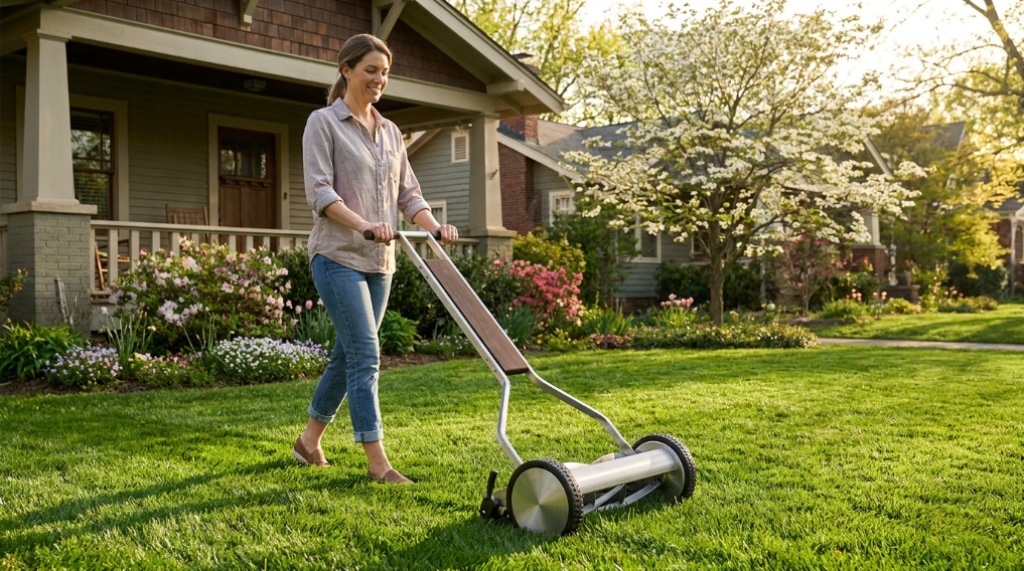
Mowing your lawn during the summer can be a balancing act. Over-mowing or mowing too short can stress the grass, leaving it vulnerable to disease and drought. On the other hand, letting your lawn grow too long can create an environment for pests and disease to thrive. Here are some tips for effective summer mowing:
- Keep Grass Longer: During the summer, keep your grass slightly longer than usual. This will help shade the soil, reducing evaporation and keeping the roots cooler.
- Mow in the Morning or Late Afternoon: Avoid mowing during the hottest part of the day, as it can stress the grass. Early morning or late afternoon is the best time for mowing.
- Sharpen Your Mower Blades: Dull blades can tear the grass, leaving it vulnerable to diseases. Keep your mower blades sharp for a clean, healthy cut.
-
Fertilizing: Feeding Your Lawn for the Long Haul
Summer is a time when lawns require extra nourishment to stay healthy and vibrant. Fertilizing in the right way can encourage strong growth and help your lawn handle the stress of heat and drought.
- Slow-Release Fertilizers: Use slow-release fertilizers that provide nutrients over an extended period. This will prevent the lawn from being overwhelmed by a sudden influx of nutrients, which could lead to nutrient burn.
- Avoid Over-Fertilizing: Too much fertilizer can lead to excessive growth, making your lawn more susceptible to heat stress and pests. Stick to the recommended fertilizer amounts for your grass type and region.
- Organic Fertilizers: Organic fertilizers are a more sustainable option that can improve soil health over time. They also reduce the risk of nutrient runoff into local waterways.
-
Aerating the Lawn for Better Root Growth
Aeration is an essential lawn care practice, especially in California, where compacted soil can be a common problem. Aerating your lawn helps improve water penetration and encourages deeper root growth. This is particularly important during the summer when drought conditions can make soil more compact.
- When to Aerate: The best time to aerate is either in the spring or early summer, before the heat of midsummer. Aerating before the summer heat hits allows the roots to establish themselves better.
- How to Aerate: You can use a manual or mechanical aerator to create small holes in the soil. This process improves oxygen flow to the roots and promotes healthier grass growth.
-
Controlling Weeds: Keeping Your Lawn Clean and Healthy
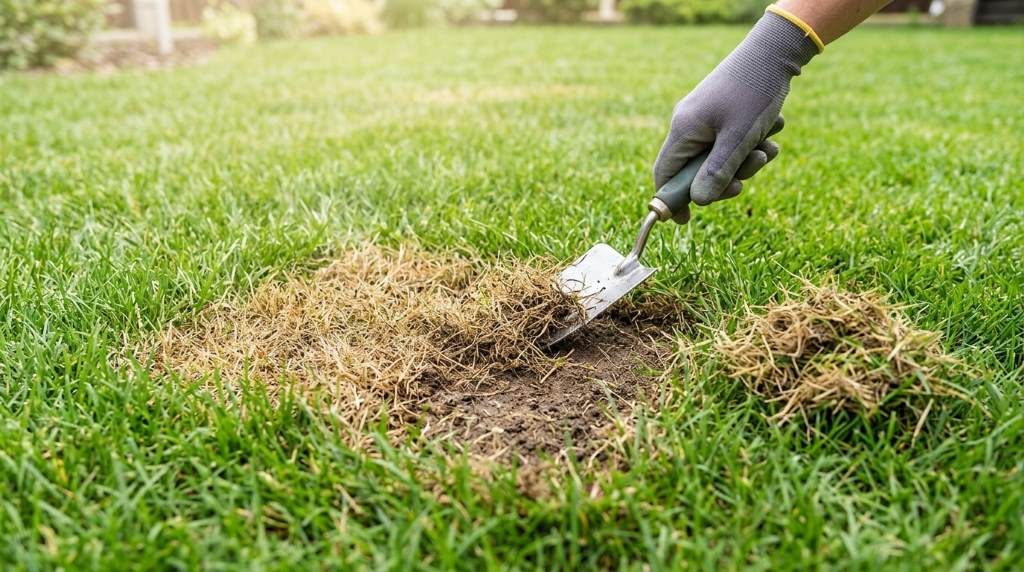
Weeds are a common issue during the summer months, especially in California’s dry conditions. Weeds compete with your grass for nutrients, water, and sunlight, and can quickly take over if not kept in check.
- Pre-Emergent Herbicides: Apply pre-emergent herbicides in the spring to prevent weed seeds from germinating. Be cautious with herbicide use, as overuse can harm beneficial insects and soil health.
- Manual Weed Removal: If you prefer a chemical-free approach, regularly pull weeds by hand or use a weed puller tool. Be sure to remove the roots to prevent regrowth.
- Mulching: Mulch around garden beds and trees can also help suppress weeds and retain moisture in the soil.
-
Pest Control: Protecting Your Lawn from Insects
Pests like grubs, ants, and chinch bugs can damage your lawn, especially in the summer when they are more active. Identifying and treating pest problems early can save you from a larger issue down the road.
- Beneficial Insects: Encourage the presence of beneficial insects, like ladybugs and predatory beetles, which can help control pests naturally.
- Organic Pest Control: If you prefer not to use chemical pesticides, organic pest control options like neem oil, diatomaceous earth, and insecticidal soap can help manage pests without harming the environment.
Pros and Cons of Summer Lawn Care in California
Pros:
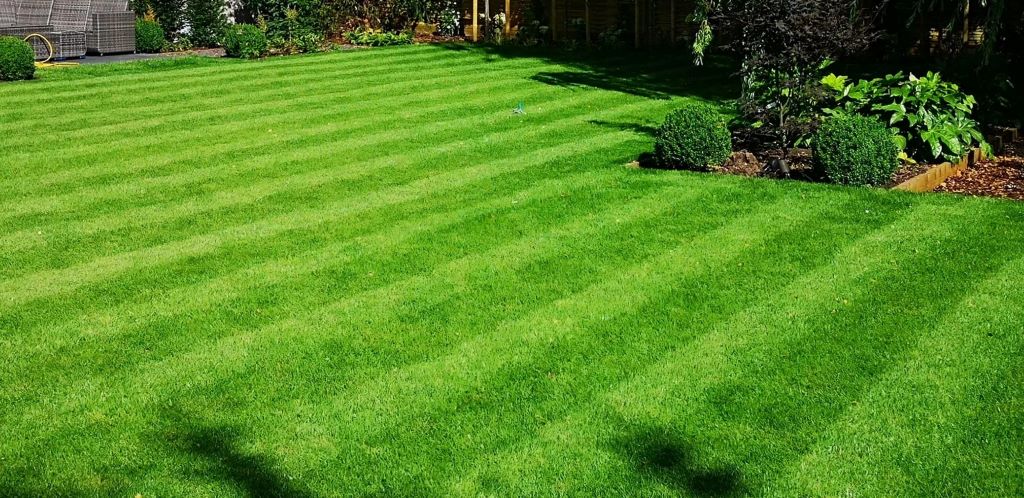
- Better Lawn Health: With proper care, your lawn will thrive even during the hot summer months, maintaining its green, lush appearance.
- Drought Resistance: Implementing efficient watering and selecting drought-tolerant grass varieties can help conserve water while still having a healthy lawn.
- Improved Soil Quality: Practices like aeration and organic fertilization can improve soil health, making your lawn more resilient in the long term.
Cons:
- Water Restrictions: Many California regions have water usage restrictions, which can limit how much you can water your lawn.
- High Maintenance: Keeping a lawn healthy in the summer can require a lot of attention and effort, especially in areas with intense heat.
- Cost: Lawn care supplies, including water-efficient irrigation systems, fertilizers, and pest control products, can add up.
Related: Eco-Friendly Lawn Care California: Safe, Green And Sustainable
FAQs About Summer Lawn Care in California
-
How often should I water my lawn in California during summer?
Watering should be done deeply once or twice a week, depending on your region and lawn type. Early morning watering is the most effective.
-
What’s the best time to fertilize my lawn in summer?
Fertilizing in early summer or late spring is ideal. Avoid fertilizing during extreme heat to prevent stressing the grass.
-
How can I prevent my lawn from going brown in summer?
Choose drought-resistant grass varieties, water deeply, and avoid mowing too short to protect the lawn from heat stress.
-
Should I use a sprinkler or drip irrigation for my lawn?
Drip irrigation is more efficient and conserves water, but sprinklers can cover a larger area more quickly. A combination of both can be effective.
-
Can I aerate my lawn in summer?
Yes, aerating your lawn in early summer can help improve soil compaction and encourage root growth, preparing your lawn for the summer heat.
-
How do I deal with pests on my lawn during summer?
Use organic pest control methods, such as neem oil or diatomaceous earth, to manage pests without harming your lawn.
-
What type of grass is best for summer lawns in California?
Warm-season grasses like Bermuda, Zoysia, and Buffalo grass are well-suited for California’s hot, dry summers.
In conclusion, summer lawn care in California requires a thoughtful approach to overcome the challenges posed by the region’s heat and dry conditions. By focusing on efficient watering, choosing drought-resistant grass varieties, and implementing proper mowing, fertilizing, and pest control techniques, homeowners can maintain a vibrant and resilient lawn. While the effort involved may seem demanding, the rewards are well worth it, as a healthy lawn enhances the beauty of your property and provides a relaxing outdoor space. With the right knowledge and commitment, your California lawn can thrive throughout the summer, conserving water and creating an inviting environment.
Read More: