
A thriving, green lawn speaks volumes about a homeowner’s dedication to sustainability and natural care. However, achieving this vibrant result requires more than just watering; it demands careful selection of fertilizers. Today, more homeowners and landscapers ask, how to choose organic fertilizers for a healthy, sustainable lawn? Organic fertilizers nurture soil, promote microbial activity, and reduce harmful runoff—benefits that synthetic options lack. This article explores the critical factors behind choosing the best organic fertilizer, supported by data, expert opinions, and practical advice.
Understanding Organic Fertilizers: What Makes Them Different?
Organic fertilizers differ from chemical fertilizers because they derive nutrients from natural sources such as compost, manure, bone meal, and seaweed extracts. Unlike synthetic fertilizers, which provide immediate but short-lived nutrient boosts, organic options release nutrients slowly, improving soil health over time. According to the Rodale Institute, soils enriched with organic fertilizers retain water better and increase microbial life by up to 40%. This enhanced soil biology supports long-term lawn resilience and sustainability.
Why Choose Organic Fertilizers?
The rise in environmental concerns has pushed organic fertilizers into the spotlight. A 2023 survey by the Environmental Working Group found that 60% of homeowners prefer organic lawn care to reduce chemical exposure to children and pets. Additionally, organic fertilizers minimize nitrogen runoff—a leading cause of water pollution. This choice aligns with eco-friendly goals and improves the lawn’s natural ability to resist pests and drought.
Key Nutrients and Their Importance
When figuring out how to choose organic fertilizers for a healthy, sustainable lawn, focus on nutrient content. The three major nutrients are nitrogen (N), phosphorus (P), and potassium (K). Each plays a unique role: nitrogen promotes leafy growth, phosphorus supports root development, and potassium enhances disease resistance.
-
Nitrogen: Organic sources include blood meal, feather meal, and alfalfa meal.
-
Phosphorus: Bone meal and rock phosphate are common natural options.
-
Potassium: Kelp meal and wood ash provide this essential nutrient.
However, balance matters. Excess phosphorus can harm local waterways, while nitrogen overload causes rapid, weak growth. Organic blends tend to provide nutrients more gradually and balanced, encouraging steady lawn development.
Soil Testing: The First Step
Before selecting any fertilizer, test your soil. Soil tests reveal pH levels and nutrient deficiencies, guiding fertilizer choice effectively. The University of Minnesota Extension suggests soil testing every 2-3 years to maintain lawn health. Testing prevents unnecessary fertilizer application, saving money and protecting the environment. Therefore, understanding your soil’s specific needs is a critical step in choosing the right organic fertilizer.
Types of Organic Fertilizers and Their Pros & Cons
-
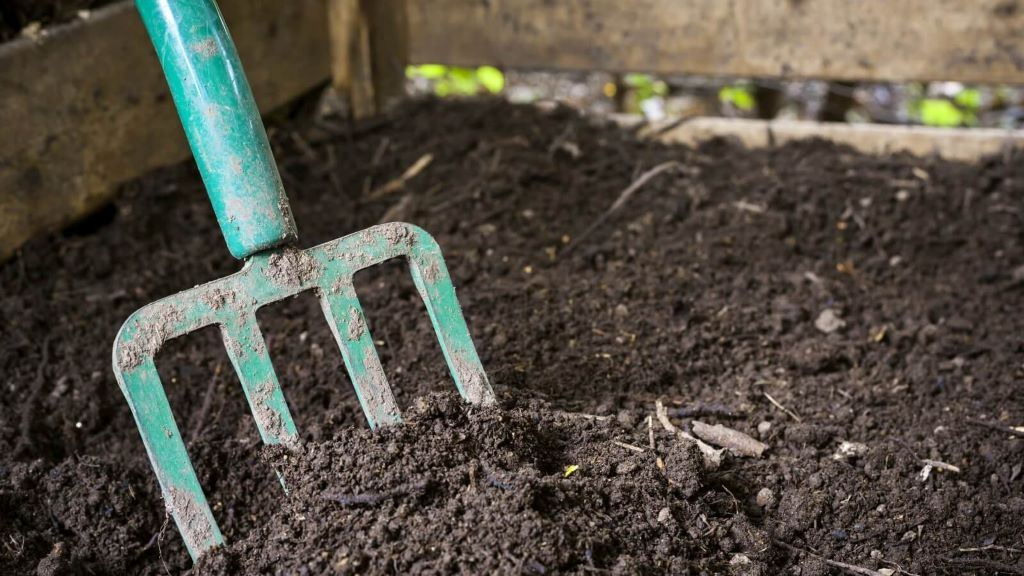
Compost: Rich in nutrients and improves soil structure. However, nutrient content varies, requiring regular application.
-
Manure: High in nitrogen and organic matter but may contain pathogens if not properly composted.
-
Bone Meal: Great for phosphorus but slow-release, meaning it takes longer to see effects.
-
Seaweed Extract: Provides micronutrients and growth hormones; excellent for stress resistance.
-
Commercial Organic Blends: Convenient, balanced, and tested for nutrient content but often more expensive.
Each type suits different lawn conditions. For example, a lawn needing quick green-up benefits from blood meal, while older lawns thrive with compost’s soil-building properties.
Application Techniques Matter
How you apply organic fertilizer significantly impacts results. Unlike synthetic fertilizers, organic options need time and moisture to break down. Aerating your lawn before application helps nutrients penetrate the soil more effectively. Experts at Penn State University recommend applying organic fertilizers during early spring or fall, matching peak nutrient uptake periods for cool-season grasses. Additionally, avoid over-fertilizing; slow nutrient release reduces burn risk, but excess still wastes resources.
Environmental Impact and Long-Term Benefits
Organic fertilizers contribute to carbon sequestration in soil, helping combat climate change. A study published in Soil Biology and Biochemistry showed organic amendments increase soil organic carbon by 25% over five years. Besides reducing pollution, organic fertilizers improve drought tolerance by enhancing soil moisture retention. In contrast, synthetic fertilizers often degrade soil quality with prolonged use.
Also Read :
Eco-Friendly Lawn Care California: Safe, Green And Sustainable
Addressing Common Misconceptions
Some argue organic fertilizers are less effective due to slower nutrient release. While this holds for quick green-up needs, the long-term benefits far outweigh temporary results. Others worry about higher costs, but when factoring in soil health, reduced pest control expenses, and environmental protection, organic fertilizers offer significant value.
FAQs
1. How often should I apply organic fertilizer to my lawn?
Apply every 6-8 weeks during the growing season for steady nutrient supply.
2. Can organic fertilizers burn my lawn?
Rarely, but overapplication or applying dry fertilizers without water can cause damage.
3. Are organic fertilizers pet and child-safe?
Yes, they are safer than chemical fertilizers but always follow product instructions.
4. Will organic fertilizers work on all grass types?
Generally yes, but cool-season grasses might need different nutrient ratios than warm-season ones.
5. How do I know if my lawn needs phosphorus?
A soil test will reveal phosphorus levels; avoid adding excess as it can harm water bodies.
6. Can I mix different organic fertilizers?
Yes, combining compost, bone meal, and seaweed extract can offer balanced nutrition.
7. Are there any certifications to look for in organic fertilizers?
Look for OMRI (Organic Materials Review Institute) certification to ensure product quality.
Final Thought
Understanding how to choose organic fertilizers for a healthy, sustainable lawn requires a blend of knowledge, patience, and practical steps. Organic fertilizers provide a natural, eco-friendly path to lush lawns by improving soil health, protecting water quality, and supporting biodiversity. By testing soil, selecting balanced nutrient sources, and applying them correctly, homeowners can enjoy vibrant lawns year after year without compromising the environment. The shift to organic is more than a trend—it’s a smart investment in your lawn’s future and the planet’s well-being.
Read More: How to Restore Soil Health for Sustainable Farming