

Wet weather can be a blessing and a curse for lawn owners. While rain provides much-needed hydration for your grass, excessive moisture can create a breeding ground for diseases, pests, and other problems. To maintain a lush, healthy lawn even during the soggiest seasons, you need to adapt your lawn care routine and take proactive steps to mitigate the challenges posed by excess moisture.
This comprehensive guide will equip you with the knowledge and strategies to keep your lawn thriving throughout the rainy season. We’ll delve into the science behind the problems associated with wet weather, provide practical tips for managing these issues, and offer insights into choosing the right tools and products for optimal lawn health.
Understanding the Challenges of a Wet Lawn

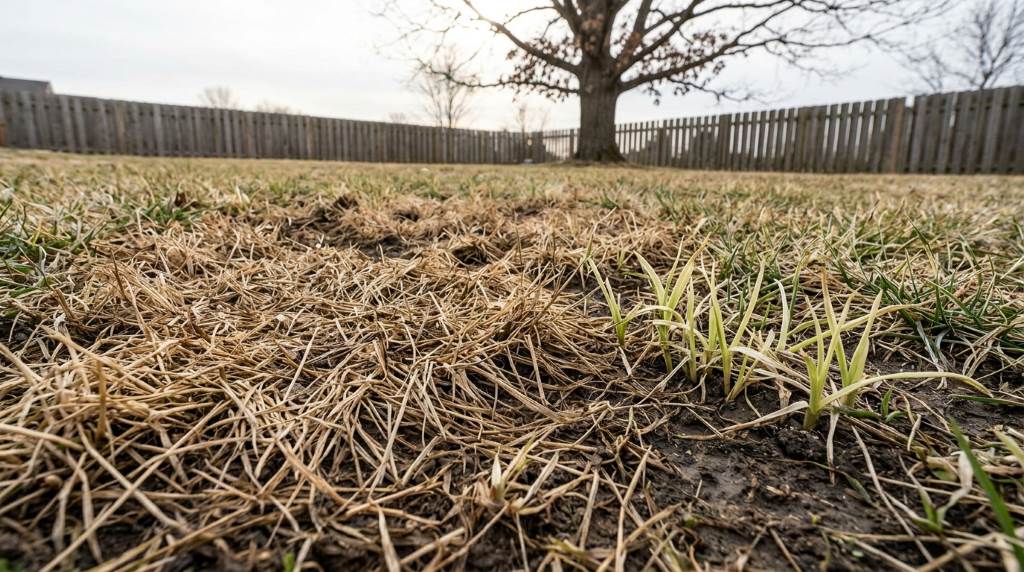
Before we dive into solutions, it’s important to understand why wet weather can be detrimental to your lawn. Here are some of the key challenges:
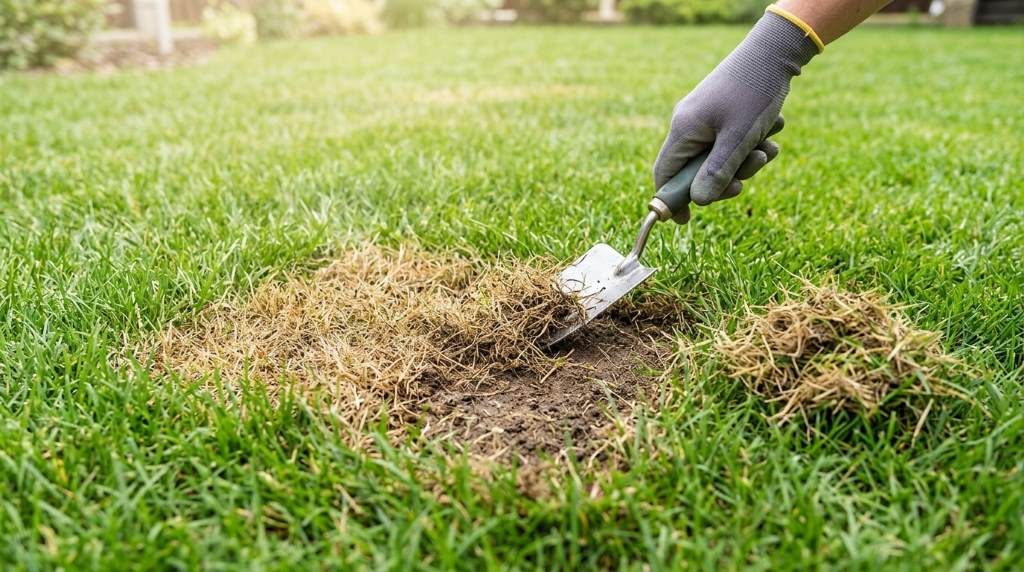
- Disease: Excess moisture creates a favorable environment for fungal diseases like brown patch, dollar spot, and pythium blight. These diseases can cause unsightly patches, thinning, and even death of your grass.
- Poor Drainage: Waterlogged soil prevents roots from accessing the oxygen they need, leading to root rot and overall decline in lawn health.
- Weed Proliferation: Many weeds thrive in moist conditions, outcompeting your grass for resources and taking over your lawn.
- Soil Compaction: Wet soil is more susceptible to compaction, especially with foot traffic. Compacted soil further hinders drainage and root growth.
- Nutrient Leaching: Heavy rainfall can wash away essential nutrients from the soil, leaving your lawn deficient and vulnerable.
Proactive Measures for a Healthy Wet Lawn
The key to maintaining a healthy lawn during wet weather lies in proactive measures that prevent problems before they arise. Here’s a breakdown of essential steps:
-
Improve Soil Drainage
Good drainage is paramount for a healthy lawn, especially in wet conditions. If your lawn tends to stay soggy after rain, consider these solutions:
- Aerate Your Lawn: Aeration involves creating small holes in the soil to improve water infiltration and air circulation. You can rent a core aerator or hire a lawn care professional for this task.
- Amend the Soil: Adding organic matter like compost or peat moss can improve soil structure and drainage.
- Install French Drains: For severe drainage issues, consider installing French drains to redirect excess water away from your lawn.
-
Adjust Mowing Practices
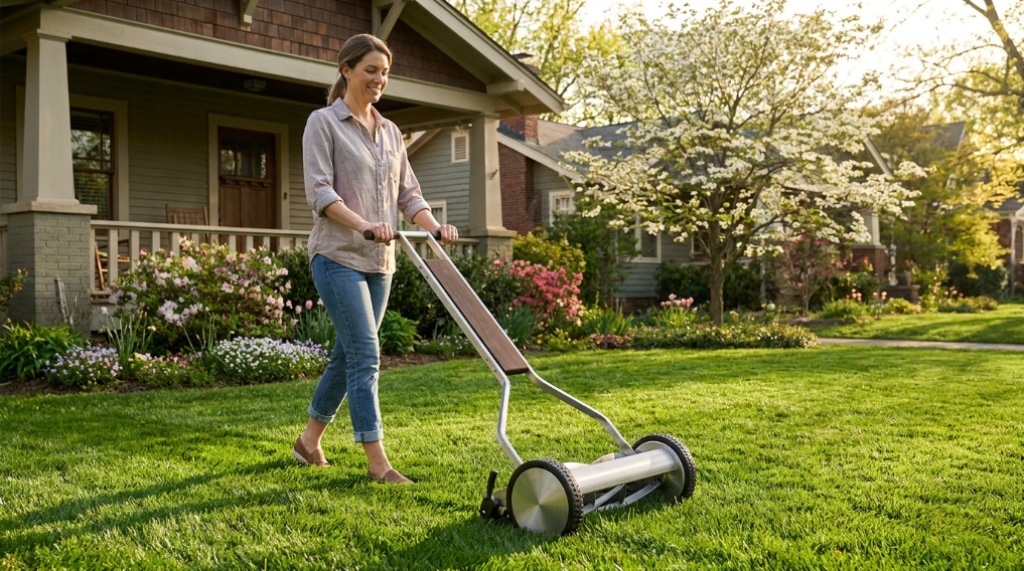
Proper mowing is crucial during wet weather to avoid further stressing your lawn. Here’s what you need to do:
- Raise Mowing Height: Keep your mower blade at a higher setting to allow for longer grass blades. Longer grass promotes deeper roots and better drought tolerance.
- Mow Frequently: Avoid removing more than one-third of the grass blade at a time. Frequent mowing reduces stress on the grass and prevents scalping.
- Keep Mower Blades Sharp: Sharp blades make clean cuts, reducing the risk of tearing and disease entry points. Dull blades can shred grass, making it more susceptible to diseases.
-
Water Wisely
While it may seem counterintuitive to water during wet weather, it’s important to ensure your lawn receives adequate moisture. However, avoid overwatering, which can exacerbate drainage issues.
- Monitor Soil Moisture: Stick your finger into the soil to check moisture levels. Water only when the top inch of soil feels dry.
- Water Deeply and Infrequently: Encourage deep root growth by watering deeply but less often. This helps your lawn withstand periods of heavy rainfall.
- Water Early in the Morning: Watering early allows the grass to dry before nightfall, reducing the risk of fungal diseases.
-
Fertilize Appropriately
Proper fertilization provides your lawn with the nutrients it needs to stay healthy and resilient during wet weather.
- Soil Test: Conduct a soil test to determine nutrient deficiencies and pH levels. This will help you choose the right fertilizer for your lawn.
- Use Slow-Release Fertilizer: Slow-release fertilizers provide a steady supply of nutrients, minimizing the risk of nutrient leaching during heavy rain.
- Avoid Over-Fertilization: Over-fertilization can burn your lawn and contribute to water pollution. Follow the recommended application rates on the fertilizer label.
-
Control Thatch
Thatch is a layer of dead grass and other organic matter that accumulates between the soil and grass blades. Excessive thatch can impede drainage and create a haven for pests and diseases.
- Dethatching: If your thatch layer is thicker than half an inch, consider dethatching your lawn. You can use a dethatching rake or rent a power dethatcher.
- Topdressing: Applying a thin layer of compost or topsoil after dethatching can help improve soil health and reduce thatch buildup.
-
Manage Pests and Diseases
Wet weather creates ideal conditions for pests and diseases to thrive. Be vigilant and take prompt action to prevent infestations and outbreaks.
- Monitor Your Lawn: Regularly inspect your lawn for signs of pests or diseases, such as discolored patches, thinning, or unusual growths.
- Apply Preventative Treatments: Consider applying preventative fungicide treatments to protect your lawn from common diseases.
- Use Natural Pest Control: Opt for natural pest control methods like beneficial nematodes or insecticidal soap to minimize the impact on the environment.
Choosing the Right Tools and Products
Having the right tools and products can make a significant difference in maintaining a healthy lawn during wet weather. Here are some essentials:
- Aerator: A core aerator is essential for improving soil drainage. You can rent one from a home improvement store or hire a lawn care professional.
- Dethatcher: A dethatching rake or power dethatcher can help remove excess thatch.
- Spreader: A spreader ensures even distribution of fertilizer and other lawn care products.
- Lawn Mower with Sharp Blades: Invest in a good quality lawn mower and keep the blades sharp for clean cuts.
- Soil Test Kit: A soil test kit helps you determine nutrient deficiencies and pH levels.
- Slow-Release Fertilizer: Choose a slow-release fertilizer to provide a steady supply of nutrients.
- Fungicide: Select a fungicide appropriate for the diseases common in your area.
- Natural Pest Control Products: Opt for natural pest control methods like beneficial nematodes or insecticidal soap.
Reviews of Popular Lawn Care Products
Here are reviews of some popular lawn care products that can help you maintain a healthy lawn during wet weather:
- Milorganite Organic Nitrogen Fertilizer: This slow-release fertilizer is a popular choice for its long-lasting effects and low risk of burning. It’s also environmentally friendly, made from recycled materials.
- Scotts Turf Builder Triple Action: This product combines fertilizer, weed control, and insect control in one, making it a convenient option for busy homeowners.
- Bonide Infuse Systemic Fungicide: This systemic fungicide offers broad-spectrum disease control and provides long-lasting protection.
- BioAdvanced 24 Hour Grub Killer Plus: This product effectively controls grubs and other soil-dwelling pests that can damage your lawn.
Remember to always read and follow the instructions on the product label before applying any lawn care product.
Pros and Cons of Different Lawn Care Practices
Here’s a table summarizing the pros and cons of different lawn care practices for wet weather:
| Practice | Pros | Cons |
| Aeration | Improves drainage, reduces compaction, promotes root growth | Can be time-consuming, may temporarily disrupt lawn appearance |
| Dethatching | Removes excess thatch, improves drainage, reduces pest and disease harborage | Can be strenuous, may temporarily thin lawn |
| Slow-Release Fertilizer | Provides steady nutrient supply, reduces leaching, minimizes burn risk | May be more expensive than quick-release fertilizers |
| Preventative Fungicide | Protects against common diseases, reduces the need for curative treatments | Can be expensive, may have environmental impact |
| Natural Pest Control | Environmentally friendly, less harmful to beneficial insects | May be less effective than synthetic pesticides, may require more frequent applications |
Frequently Asked Questions (FAQ)
Q: How often should I aerate my lawn during wet weather?
A: It depends on the soil type and drainage conditions. In general, aerating once a year in the fall is sufficient for most lawns. However, if your lawn has heavy clay soil or poor drainage, you may need to aerate more frequently.
Q: Can I mow my lawn when it’s wet?
A: It’s best to avoid mowing when your lawn is wet. Wet grass can clump and clog your mower, and it’s also more susceptible to damage.
Q: What are some common lawn diseases I should watch out for during wet weather?
A: Some common lawn diseases associated with wet weather include brown patch, dollar spot, pythium blight, and red thread.
Q: How can I tell if my lawn has a drainage problem?
A: Signs of poor drainage include standing water after rain, soggy soil, and yellowing or thinning grass.
Q: Is it safe to apply fertilizer during wet weather?
A: It’s generally safe to apply slow-release fertilizer during wet weather, as it’s less likely to leach. However, avoid applying quick-release fertilizers, as they can burn your lawn and contribute to water pollution.
Q: What are some natural ways to control weeds in my lawn?
A: Some natural weed control methods include hand-pulling, corn gluten meal, and vinegar.
Q: How can I prevent my lawn from getting compacted?
A: Avoid heavy foot traffic on your lawn, especially when it’s wet. You can also use stepping stones or pavers to create walkways.
Conclusion
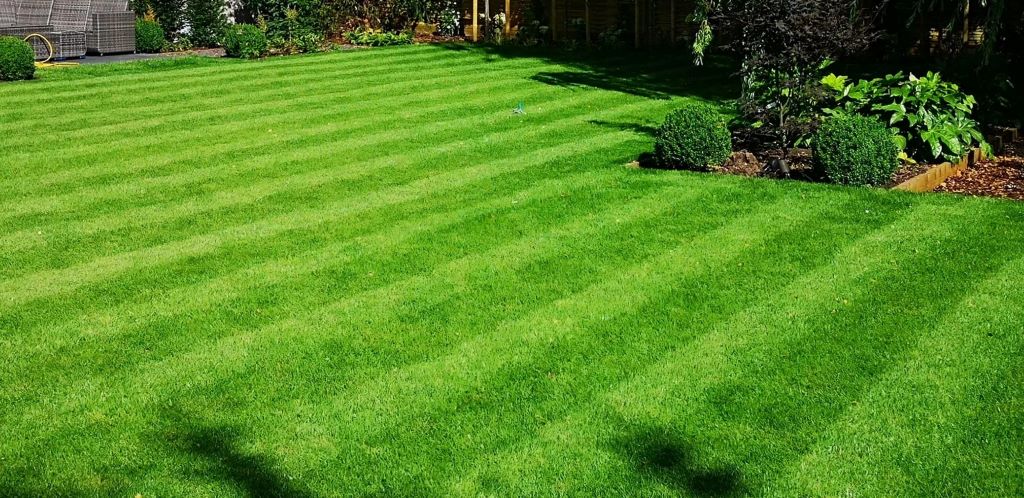
Maintaining a healthy lawn during wet weather requires proactive measures and adjustments to your lawn care routine. By improving drainage, adjusting mowing practices, watering wisely, fertilizing appropriately, controlling thatch, and managing pests and diseases, you can ensure your lawn stays lush and vibrant even during the soggiest seasons. Remember to choose the right tools and products for your lawn’s specific needs and always follow the instructions on product labels. With proper care and attention, your lawn can withstand the challenges of wet weather and remain a beautiful and enjoyable part of your home.
Read More: