

Maintaining a lush, green lawn is a dream for many homeowners. A well-kept lawn not only enhances the aesthetic appeal of your property but also provides a space for relaxation and recreation. One of the most effective ways to achieve a healthy lawn is through top dressing. This article will delve into the intricacies of top dressing, exploring how and why it’s done, reviewing popular products, offering solutions to common problems, and answering frequently asked questions.
What is Top Dressing?
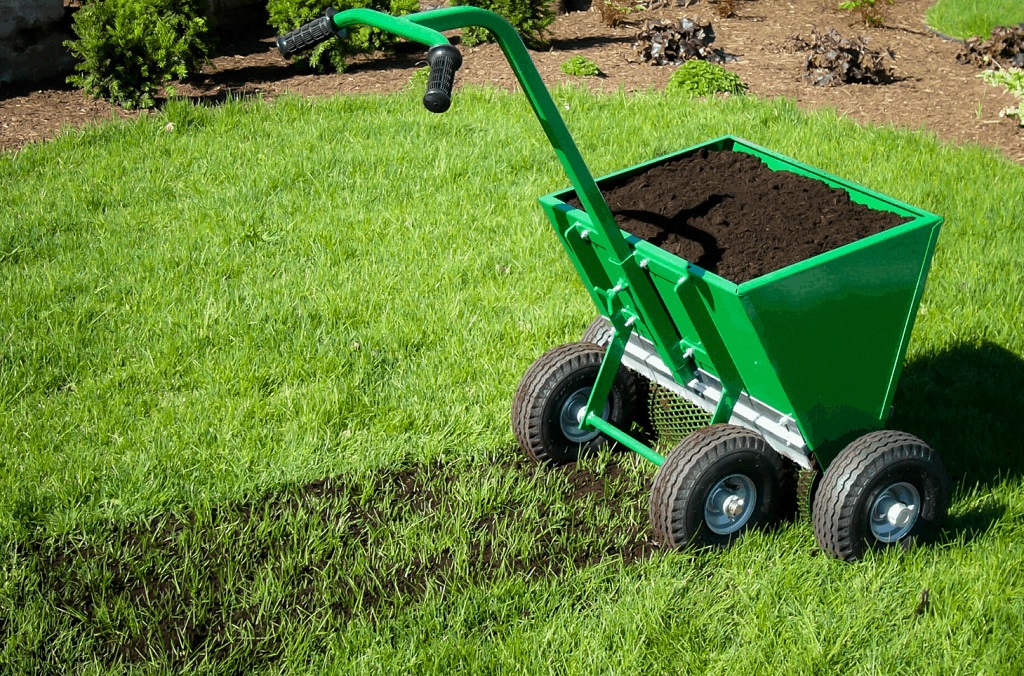
Top dressing is the process of applying a thin layer of material, such as compost, sand, or a soil mix, over the surface of your lawn. This practice has been used for centuries to improve soil structure, promote healthy grass growth, and enhance the overall appearance of the lawn. The material used for top dressing can vary depending on the specific needs of your lawn, but the goal is always the same: to create a healthier, more resilient turf.
Why Top Dress Your Lawn?
- Improves Soil Structure: Over time, soil can become compacted, making it difficult for grass roots to penetrate and access nutrients. Top dressing helps to loosen the soil, improving aeration and drainage.
- Enhances Nutrient Content: Organic top dressing materials, such as compost, are rich in nutrients that feed the grass and improve soil fertility. This can reduce the need for chemical fertilizers.
- Levels the Lawn: Top dressing can help to level out uneven areas of your lawn, creating a smoother surface that is easier to mow and more aesthetically pleasing.
- Promotes Thicker Grass: By providing a favorable environment for root growth, top dressing encourages the development of a denser turf, which can help to crowd out weeds.
- Improves Water Retention: Sandy soils, in particular, benefit from top dressing as it helps to retain moisture, reducing the need for frequent watering.
How to Top Dress Your Lawn
Step 1: Choose the Right Material
The first step in top dressing is selecting the appropriate material. The choice depends on your lawn’s specific needs:
- Compost: Ideal for improving soil fertility and structure. It’s rich in organic matter and nutrients.
- Sand: Best for improving drainage in clay soils. It’s often used on golf courses and sports fields.
- Soil Mix: A blend of sand, soil, and organic matter. It’s versatile and can be tailored to your lawn’s requirements.
Step 2: Prepare Your Lawn
Before applying the top dressing, it’s essential to prepare your lawn:
- Mow the Lawn: Cut the grass shorter than usual to ensure the top dressing material reaches the soil.
- Remove Thatch: If your lawn has a thick thatch layer, consider dethatching to allow the top dressing to penetrate the soil.
- Aerate the Soil: Aerating your lawn before top dressing will help the material integrate more effectively with the soil.
Step 3: Apply the Top Dressing
- Spread Evenly: Use a shovel or a top dressing spreader to distribute the material evenly across the lawn. Aim for a layer about ¼ to ½ inch thick.
- Work into the Grass: Use a rake or a broom to work the material into the grass, ensuring it reaches the soil surface.
- Water Thoroughly: After applying the top dressing, water the lawn thoroughly to help the material settle and integrate with the soil.
Step 4: Monitor and Maintain
After top dressing, monitor your lawn’s progress. You may need to repeat the process annually or biannually, depending on your lawn’s condition. Regular maintenance, such as mowing, watering, and fertilizing, will help to maintain the benefits of top dressing.
Reviews of Popular Top Dressing Products
-
Scotts Turf Builder LawnSoil
Overview: Scotts Turf Builder LawnSoil is a premium top dressing product designed to improve soil quality and promote healthy grass growth. It’s a blend of organic matter and nutrients that enriches the soil and enhances its structure.
Pros:
- Rich in organic matter
- Improves soil fertility
- Easy to apply
Cons:
- More expensive than some alternatives
- May require multiple applications for best results
User Reviews: Many users report noticeable improvements in their lawn’s health and appearance after using Scotts Turf Builder LawnSoil. It’s particularly praised for its ability to level uneven lawns and promote thicker grass growth.
-
Earthgro by Scotts Topsoil
Overview: Earthgro by Scotts Topsoil is a versatile top dressing product suitable for a variety of lawn care needs. It’s a blend of natural soil and organic matter that improves soil structure and promotes healthy root development.
Pros:
- Affordable
- Improves soil structure
- Suitable for a wide range of lawn types
Cons:
- May contain small rocks or debris
- Requires thorough watering after application
User Reviews: Users appreciate the affordability and effectiveness of Earthgro by Scotts Topsoil. It’s often used for leveling lawns and improving soil quality, with many reporting positive results.
-
Hoffman 15503 Canadian Sphagnum Peat Moss
Overview: Hoffman Canadian Sphagnum Peat Moss is an organic top dressing material that improves soil aeration and water retention. It’s particularly beneficial for sandy soils that struggle to retain moisture.
Pros:
- Improves water retention
- Enhances soil aeration
- Organic and environmentally friendly
Cons:
- Can be messy to apply
- May require additional fertilization
User Reviews: Users love the water retention properties of Hoffman Canadian Sphagnum Peat Moss, especially in dry climates. It’s also praised for its ability to improve soil structure and promote healthy grass growth.
Solutions to Common Top Dressing Problems
Problem 1: Uneven Application
Solution: To ensure an even application, use a top dressing spreader or a shovel to distribute the material evenly across the lawn. Work in small sections and use a rake or broom to spread the material into the grass.
Problem 2: Material Not Integrating with Soil
Solution: Aerate your lawn before top dressing to help the material integrate with the soil. Water the lawn thoroughly after application to help the material settle and mix with the soil.
Problem 3: Grass Suffocating Under Top Dressing
Solution: Avoid applying too much top dressing at once. A layer of ¼ to ½ inch is usually sufficient. If the grass appears to be suffocating, gently rake the material to allow the grass to breathe.
Problem 4: Weed Growth After Top Dressing
Solution: Use high-quality top dressing materials that are free from weed seeds. If weeds do appear, address them promptly with appropriate weed control methods, such as hand-pulling or herbicide application.
Frequently Asked Questions (FAQ)
Q1: How often should I top dress my lawn?
A: The frequency of top dressing depends on your lawn’s condition. Generally, it’s recommended to top dress your lawn once or twice a year, typically in the spring or fall.
Q2: Can I top dress my lawn in the summer?
A: While it’s possible to top dress your lawn in the summer, it’s generally not recommended. The heat and dry conditions can stress the grass, making it more difficult for the top dressing to integrate with the soil. Spring and fall are the best times for top dressing.
Q3: What is the best material for top dressing?
A: The best material for top dressing depends on your lawn’s specific needs. Compost is ideal for improving soil fertility, sand is best for improving drainage, and a soil mix is versatile and can be tailored to your lawn’s requirements.
Q4: Can I top dress my lawn without aerating?
A: While it’s possible to top dress without aerating, aerating before top dressing will help the material integrate more effectively with the soil. Aeration improves soil structure and allows the top dressing to reach the root zone.
Q5: How long does it take to see results from top dressing?
A: The results of top dressing can vary depending on your lawn’s condition and the material used. Generally, you should start to see improvements in soil structure and grass health within a few weeks to a couple of months.
Q6: Can I use top dressing to fix bare spots in my lawn?
A: Yes, top dressing can help to fix bare spots by providing a favorable environment for grass seed germination and root growth. Combine top dressing with overseeding for best results.
Q7: Is top dressing safe for all types of grass?
A: Top dressing is generally safe for all types of grass, but it’s important to choose the right material for your specific grass type. For example, sandy top dressing is ideal for Bermuda grass, while compost is better suited for cool-season grasses like Kentucky bluegrass.
Q8: Can I make my own top dressing mix?
A: Yes, you can make your own top dressing mix by combining sand, soil, and organic matter like compost. The proportions will depend on your lawn’s specific needs. A common mix is 60% sand, 20% soil, and 20% compost.
Q9: How much top dressing do I need for my lawn?
A: The amount of top dressing you need depends on the size of your lawn and the desired thickness of the layer. A general guideline is to apply about 1 cubic yard of top dressing per 1,000 square feet of lawn for a ¼ inch layer.
Q10: Can top dressing help with lawn drainage issues?
A: Yes, top dressing with sand or a sand-soil mix can improve lawn drainage, especially in clay soils. The sand helps to loosen the soil, allowing water to penetrate more easily and reducing the risk of waterlogging.
Conclusion
Top dressing is a powerful lawn care practice that can transform your lawn into a healthy, vibrant, and aesthetically pleasing space. By understanding how and why to top dress your lawn, choosing the right materials, and addressing common problems, you can achieve the lawn of your dreams. Whether you’re a seasoned gardener or a beginner, top dressing is a simple yet effective way to enhance your lawn’s health and beauty. So, roll up your sleeves, grab your tools, and give your lawn the care it deserves!
Read More:
Essential Tools for Lawn Maintenance: Reviews, Solutions, Pros and Cons, and FAQs
Xeriscaping: A Water-Wise Oasis in Dry Climates
Hydroponics vs. Aquaponics: A Deep Dive into Soilless Gardening
How to Restore Soil Health for Sustainable Farming: A Comprehensive Guide