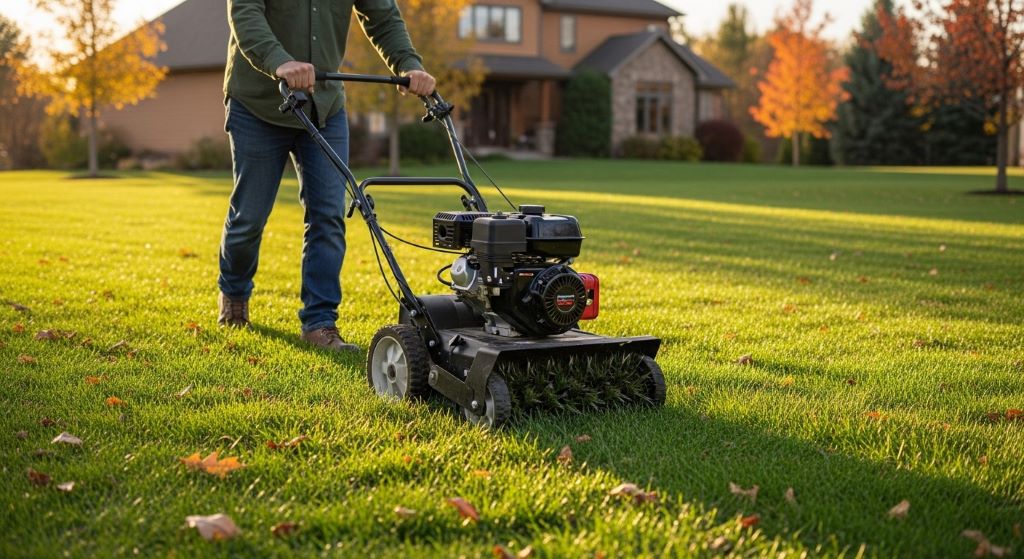

Many homeowners focus all their lawn care energy on spring and summer. However, what you do in fall can make just as big a difference. In fact, fall is one of the most important seasons for your lawn. The steps you take during these cooler months prepare your grass to bounce back stronger than ever come spring.
Therefore, this guide covers everything you need to know about fall lawn care. Whether you have cool-season or warm-season grass, these steps will help you build a lawn that recovers quickly and looks great from the first warm day of the year.
Why Fall Lawn Care Matters for Spring Recovery
Grass does not stop working in fall. Even as temperatures drop and growth slows, your lawn is busy storing nutrients, strengthening roots, and preparing for the long winter ahead. If you take advantage of this natural process, you set your lawn up for a faster and healthier spring recovery.
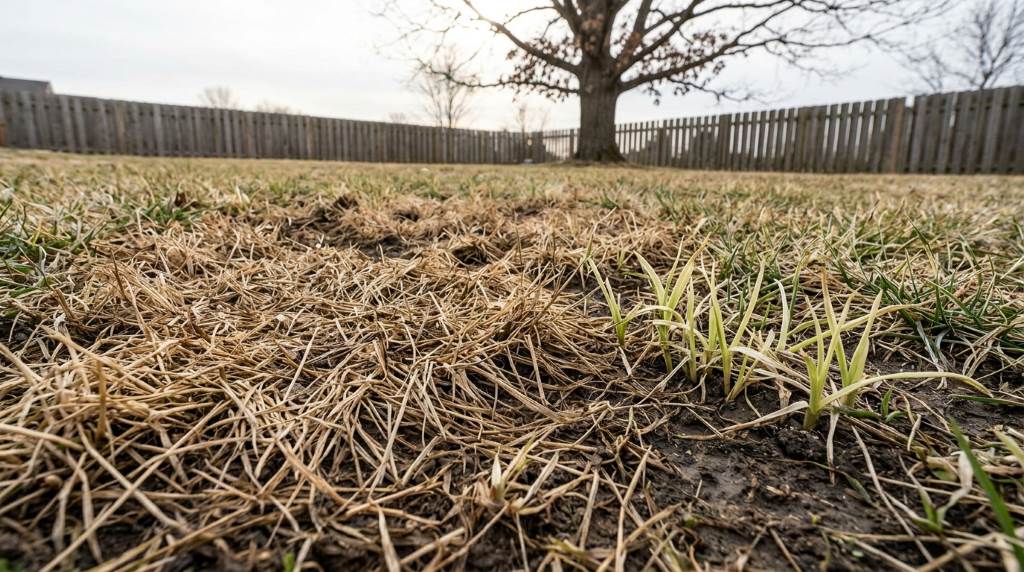
On the other hand, a neglected fall lawn tends to struggle in spring. Weak roots, compacted soil, and leftover debris can slow recovery and invite weeds, disease, and patchy growth. Additionally, moss and thatch can build up over winter if not addressed in fall, making spring recovery even harder.
The good news is that fall lawn care does not have to be complicated. A few consistent steps done at the right time can make a remarkable difference. Furthermore, many of these tasks are simple enough for any homeowner to handle on a weekend.
Understanding Your Grass Type Before You Start
Before you begin any fall lawn care routine, you need to know what type of grass you have. Different grasses have different needs, and applying the wrong care at the wrong time can actually cause harm.
Cool-season grasses include Kentucky bluegrass, fescue, and ryegrass. These grasses grow most actively in spring and fall. Therefore, fall is the ideal time for fertilizing, overseeding, and other major treatments. They go dormant in extreme heat but recover vigorously in cooler temperatures.
Warm-season grasses include Bermuda, Zoysia, and St. Augustine. These grasses thrive in summer heat and go dormant in fall and winter. For these grass types, fall care is more about winding down and protecting than actively treating. However, proper fall cleanup is still essential for a healthy spring start.
Start with a Thorough Lawn Cleanup
The first step in fall lawn care is a thorough cleanup. Leaves, twigs, and debris left on your lawn over winter can smother grass and create ideal conditions for mold and disease. Therefore, regular raking or blowing is essential throughout the fall season.
Manage Fallen Leaves the Right Way
Leaves left in thick layers on grass block sunlight and trap moisture. This creates a breeding ground for fungal diseases. However, you do not always need to bag and remove every leaf. Light layers of leaves can be mulched with a mower, returning valuable nutrients to the soil.
For heavier leaf coverage, rake or blow leaves off the grass and add them to a compost pile. Additionally, removing leaves regularly throughout fall is easier than dealing with a heavy, wet buildup all at once. Try to clear your lawn of leaves at least every one to two weeks.
Remove Dead Grass and Debris
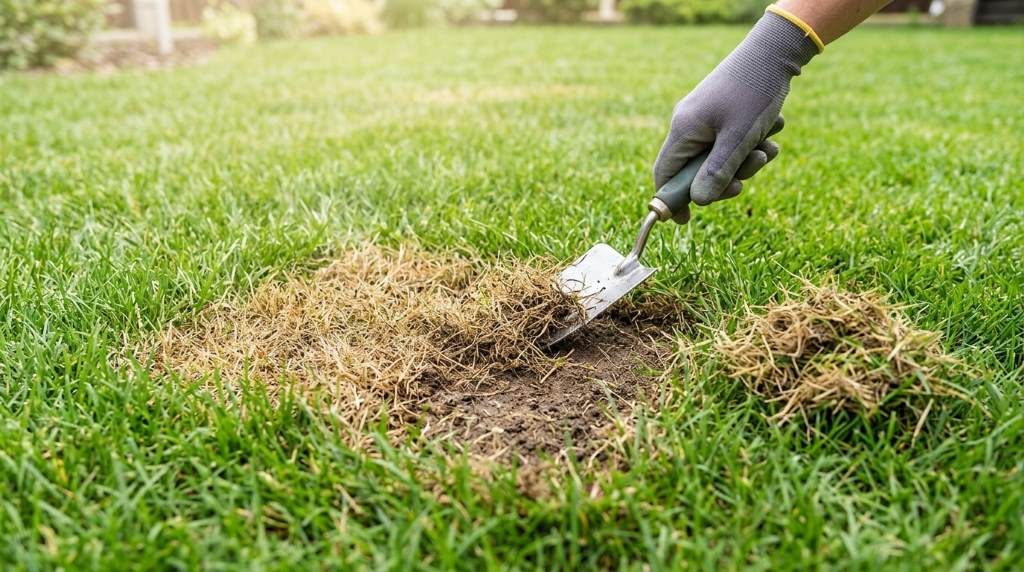
Along with leaves, remove any dead grass clumps, sticks, and garden debris from your lawn. These materials can harbor pests and diseases over winter. A clean lawn going into winter means fewer problems to deal with in spring.
Aerate Your Lawn to Improve Soil Health
Soil compaction is one of the biggest obstacles to a healthy lawn. Over months of foot traffic, mowing, and weather, soil becomes packed tightly. This prevents water, air, and nutrients from reaching the roots. Therefore, aeration is one of the most beneficial things you can do for your lawn in fall.
Aeration involves making small holes in the soil to loosen it up. This allows roots to expand more freely and improves drainage. Additionally, aeration opens up channels for fertilizer and organic matter to penetrate deeper into the soil.
Core Aeration vs. Spike Aeration
There are two main types of aeration. Core aeration removes small plugs of soil from the ground. This is the most effective method and is highly recommended for compacted lawns. Spike aeration simply pokes holes without removing soil, which provides some benefit but is less thorough.
For best results, use a core aerator. You can rent one from a hardware store or hire a lawn care professional. The best time to aerate cool-season grass is in early to mid-fall. For warm-season grass, late summer or very early fall is preferable.
Dethatch Your Lawn Before Winter
Thatch is the layer of dead grass stems, roots, and organic matter that builds up between the soil surface and the living grass above. A thin layer of thatch is actually beneficial. However, when it becomes thicker than half an inch, it starts to cause problems.
Thick thatch blocks water and nutrients from reaching the soil. It also provides shelter for insects and lawn diseases. Therefore, dethatching in fall helps ensure your lawn can breathe and absorb what it needs over winter.
You can dethatch using a manual thatch rake or a power dethatcher. For most lawns, dethatching every two to three years is enough. However, if your lawn has a heavy thatch buildup, annual dethatching may be necessary. After dethatching, always follow up with aeration and fertilizing for the best results.
Overseed Thin or Bare Areas in Fall
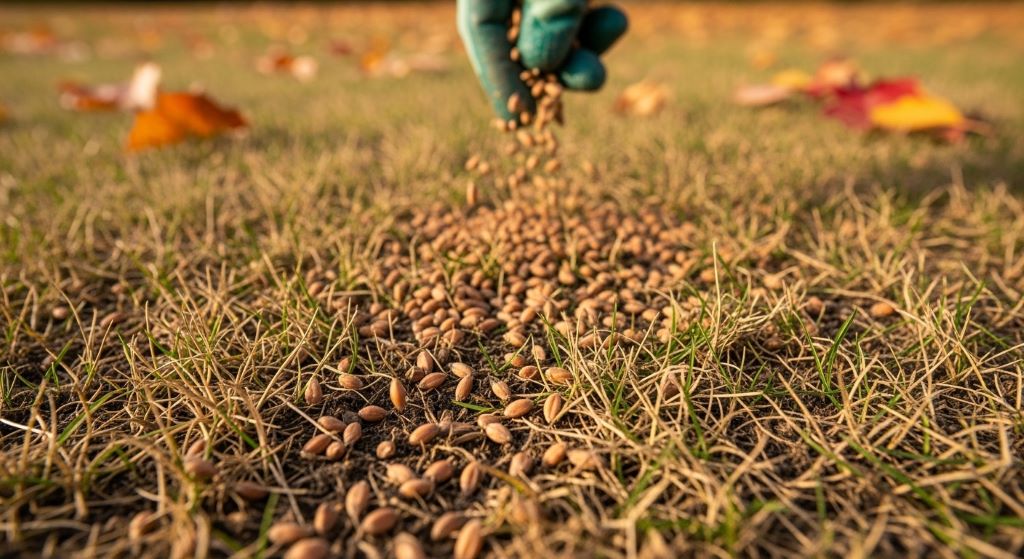
Fall is the best time to overseed a lawn. Cooler soil temperatures, more frequent rain, and reduced weed competition all make it easier for new grass seed to germinate and establish. Additionally, grass seedlings sown in fall have the whole winter to develop strong roots before the stress of summer heat arrives.
How to Overseed Effectively
Start by mowing your lawn slightly shorter than usual before overseeding. This allows more seed-to-soil contact. Next, use a core aerator to open up the soil, then broadcast the seed evenly across the lawn. Choose a seed variety that matches your existing grass type for the most uniform results.
After seeding, lightly rake the area to help the seed work into the soil. Water the newly seeded areas gently but regularly. Keep the soil moist until the new grass reaches about three inches in height. Furthermore, avoid heavy foot traffic on newly seeded areas until the grass has fully established.
Choosing the Right Grass Seed
Not all grass seed is the same. For cool-season lawns, fescue and ryegrass blends are popular for overseeding because they establish quickly in fall. For warm-season lawns, overseeding with annual ryegrass can help maintain a green appearance over winter, though it will die off in spring when warm-season grass resumes growth.
Fall Fertilizing: Feeding Your Lawn for Spring
Fertilizing in fall is one of the most impactful things you can do for your lawn. Grass roots continue to grow even after the blades stop. Therefore, applying fertilizer in fall feeds these active roots and helps store energy reserves for the winter months.
This stored energy is what your lawn draws on for its first burst of growth in spring. A well-fertilized lawn in fall will green up faster, grow more evenly, and be more resilient against spring weeds and disease.
What to Look for in a Fall Fertilizer
Fall fertilizer should be different from summer fertilizer. Look for a product with a higher potassium content. Potassium strengthens cell walls and improves the ability of grass to withstand cold, drought, and disease. Additionally, choose a fertilizer with some nitrogen, but avoid high-nitrogen products in late fall as they can push excessive growth that is vulnerable to frost.
A fertilizer labeled for fall or winter use is a safe choice. Apply it according to the package directions, and water it in lightly after application. For cool-season grasses, apply fall fertilizer around six to eight weeks before the ground freezes. For warm-season grasses, fertilizing in early fall is better so the grass can absorb it before dormancy.
Weed Control in Fall to Reduce Spring Competition
Many homeowners think of weed control as a spring task. However, fall is actually an excellent time to tackle weeds. Many common lawn weeds germinate in fall, grow through winter, and bloom aggressively in spring. By targeting them in fall, you reduce the competition your grass faces during its spring recovery.
Broadleaf weeds like dandelions and clover are particularly active in fall. They are actively moving nutrients from their leaves down to their roots, which means they also absorb herbicides more effectively during this time. Therefore, fall herbicide applications are often more successful than spring treatments.
Additionally, applying a pre-emergent herbicide in early fall can prevent winter annual weeds from germinating. However, always read product labels carefully and choose products that are safe for your specific grass type. Avoid applying weed killers too close to overseeding, as they can interfere with new grass germination.
Adjust Your Mowing Habits as the Season Changes
Many homeowners continue mowing at the same height throughout the year. However, adjusting your mowing height as fall progresses is an important part of preparing your lawn for winter and spring recovery.
In early fall, maintain your regular mowing height. This allows the grass to continue photosynthesizing efficiently. As temperatures drop and growth slows, gradually lower your mowing height by about half an inch. For most cool-season grasses, a height of two and a half to three inches going into winter is ideal.
However, never cut more than one-third of the grass blade at a time. Cutting too much at once stresses the grass and weakens its root system. Additionally, stop mowing when the grass stops actively growing, but do not stop too early. Grass that is too long going into winter can mat down, trap moisture, and invite snow mold.
Soil Testing and pH Adjustment in Fall
Fall is the ideal time to test your soil. A simple soil test reveals your lawn’s pH level and nutrient profile. This information helps you apply the right amendments so your soil is ready to support vigorous grass growth in spring.
Most grasses prefer a soil pH between 6.0 and 7.0. If your soil is too acidic, applying lime in fall gives it several months to work before spring. If your soil is too alkaline, sulfur can help bring the pH down. Furthermore, soil tests often reveal deficiencies in phosphorus or potassium that can be corrected with targeted fertilizing.
You can purchase a basic soil test kit from a garden center, or send a sample to your local cooperative extension office for a more detailed analysis. Testing every two to three years is usually sufficient for most home lawns.
Watering in Fall: How Much Is Enough?
As temperatures drop in fall, your lawn needs less water than in summer. However, it still needs consistent moisture to stay healthy going into winter. Therefore, do not shut off irrigation too early in the season.
Continue watering until the ground freezes. Aim to give your lawn about one inch of water per week, including rainfall. Deep, infrequent watering encourages roots to grow deeper, making your lawn more drought-resistant in spring and summer.
Additionally, make sure to winterize your irrigation system before the first hard freeze. Trapped water in pipes and sprinkler heads can cause serious damage when it freezes. Blow out the lines with compressed air or hire a professional to handle this step.
Conclusion
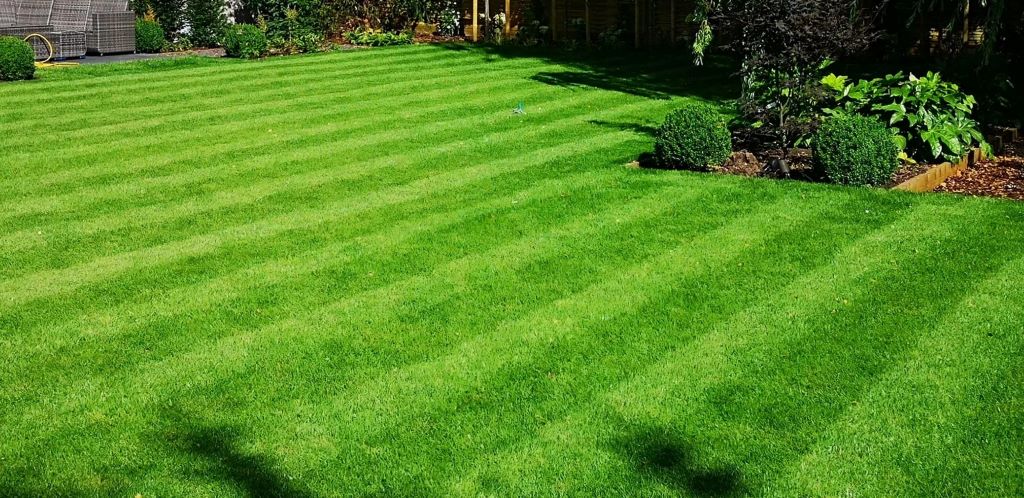
Fall lawn care is the foundation of a strong spring recovery. Every step you take in autumn builds toward a lawn that greens up faster, grows more evenly, and resists weeds and disease more effectively in the new season.
The most important fall tasks include thorough cleanup, aeration, dethatching, overseeding thin areas, applying fall fertilizer, controlling weeds, and adjusting your mowing and watering habits. Additionally, testing your soil and correcting pH imbalances in fall gives your lawn the best possible starting conditions for spring.
Therefore, do not wait until spring to start caring for your lawn. The effort you invest in fall pays off in a big way when the weather warms up. A little work now will reward you with a lush, healthy, and beautiful lawn all season long.
Frequently Asked Questions
1. When is the best time to start fall lawn care?
The best time to begin fall lawn care is late summer to early fall, typically between late August and October, depending on your climate. Cool-season grasses benefit most from early fall treatments like aeration and overseeding. However, cleanup and fertilizing tasks can be done throughout the fall season as long as the ground has not frozen.
2. Can I overseed and fertilize at the same time in fall?
Yes, you can overseed and fertilize at the same time, and it is actually recommended. After aerating and overseeding, apply a starter fertilizer that is high in phosphorus to support root development. However, avoid high-nitrogen fertilizers immediately after overseeding, as they can promote excessive top growth at the expense of root establishment.
3. How do I know if my lawn needs aeration?
Your lawn likely needs aeration if water pools on the surface after rain, the soil feels very hard when you press a screwdriver into it, or the grass looks thin and stressed despite regular watering. Additionally, if your lawn gets heavy foot traffic or was established on clay-heavy soil, annual aeration is usually a good idea.
4. Is it okay to leave grass clippings on the lawn in fall?
Yes, leaving grass clippings on the lawn is generally fine throughout fall. Clippings decompose quickly and return nitrogen and organic matter to the soil. However, if the clippings are very thick or wet, they can clump together and smother the grass beneath. In that case, rake them up or spread them more evenly before they mat down.
5. What happens if I skip fall lawn care?
Skipping fall lawn care can lead to a slower and patchier spring recovery. Without aeration, soil stays compacted, and roots struggle to grow. Without fall fertilizing, the lawn lacks the nutrient reserves it needs for early spring growth. Additionally, weeds that are not treated in fall will have a head start in spring, making it harder for grass to compete.
Related Topics:
How to Restore Soil Health for Sustainable Farming: A Comprehensive Guide
Eco-Friendly Lawn Care California: Safe, Green And Sustainable