

A lush, green lawn is the cornerstone of a beautiful and inviting outdoor space. However, achieving and maintaining a healthy lawn year-round requires more than just occasional mowing and watering. With over 80% of homeowners considering their lawn a vital part of their property’s curb appeal, according to a survey by the National Association of Landscape Professionals, the demand for effective lawn care tips has never been higher. Yet, many struggle with common issues like brown patches, weeds, and seasonal damage. This guide will provide you with expert gardening advice, grass care techniques, and landscaping strategies to keep your lawn vibrant and thriving in every season. Whether you’re a seasoned green thumb or a beginner, these lawn care tips will help you cultivate a lawn that’s the envy of your neighborhood.
Why Year-Round Lawn Care Matters
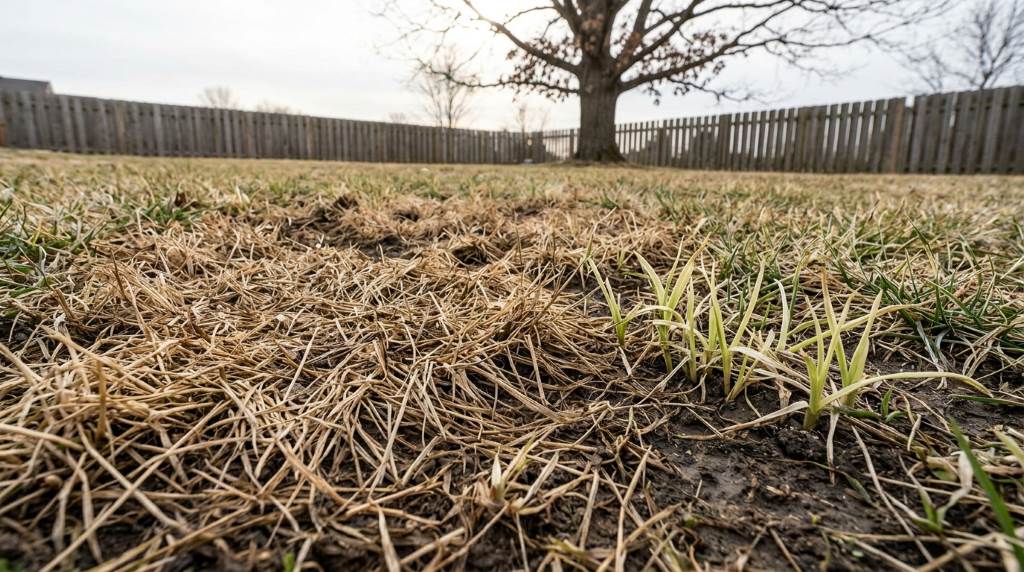
Maintaining a healthy lawn isn’t just about aesthetics—it’s about creating a sustainable and functional outdoor space. A well-kept lawn improves air quality by absorbing carbon dioxide and releasing oxygen. Additionally, it prevents soil erosion, supports biodiversity, and even cools the surrounding air temperature. However, achieving a year-round green lawn requires consistent effort and a proactive approach. Seasonal changes bring different challenges, from drought and heat in the summer to frost and dormancy in the winter. By understanding the needs of your grass and adapting your lawn care tips to the changing seasons, you can ensure your lawn remains resilient and vibrant. Furthermore, a healthy lawn enhances your property’s value and provides a safe, enjoyable space for family activities and outdoor gatherings.
Step 1: Choose the Right Grass Type
The foundation of a healthy lawn begins with selecting the right type of grass for your climate, soil, and lifestyle. Grass varieties are generally categorized into two main types: cool-season and warm-season grasses. Cool-season grasses, such as Kentucky Bluegrass, Fescue, and Ryegrass, thrive in regions with cold winters and moderate summers. They grow most actively in the spring and fall and may go dormant in the heat of summer. Warm-season grasses, like Bermuda, Zoysia, and St. Augustine, are better suited for hot, humid climates and grow most actively in the late spring and summer. Additionally, consider factors like shade tolerance, drought resistance, and maintenance requirements when choosing your grass. By selecting the right grass type, you set the stage for a lawn that’s easier to maintain and more resilient to environmental stressors.
Step 2: Test and Improve Your Soil
Healthy grass starts with healthy soil. Testing your soil is a crucial step in understanding its pH level and nutrient content. Most grasses thrive in slightly acidic to neutral soil with a pH between 6.0 and 7.5. You can purchase a soil test kit from a garden center or send a sample to a local agricultural extension office for a detailed analysis. Once you know your soil’s pH and nutrient levels, you can amend it accordingly. For example, if your soil is too acidic, you can add lime to raise the pH. If it’s lacking in essential nutrients like nitrogen, phosphorus, or potassium, you can apply a balanced fertilizer. Additionally, aerating your soil once or twice a year helps relieve compaction, allowing water, air, and nutrients to reach the grassroots more effectively. These lawn care tips will create an optimal growing environment for your grass.
Step 3: Water Wisely
Proper watering is essential for maintaining a healthy lawn, but many homeowners either overwater or underwater their grass. The general rule of thumb is to water deeply and infrequently, providing about 1 to 1.5 inches of water per week, including rainfall. This encourages deep root growth, making your lawn more drought-resistant. Water your lawn early in the morning, between 6 AM and 10 AM, to minimize evaporation and reduce the risk of fungal diseases. Avoid watering in the evening, as prolonged moisture on the grass blades can promote fungal growth. Additionally, use a rain gauge or a smart irrigation system to monitor and adjust your watering schedule based on weather conditions. These grass care techniques will help you conserve water while keeping your lawn hydrated and healthy.
Step 4: Mow Correctly
Mowing is a fundamental aspect of lawn care, but doing it incorrectly can damage your grass and hinder its growth. The key is to mow at the right height and frequency. As a general guideline, never remove more than one-third of the grass blade length in a single mowing. This prevents stress on the grass and allows it to retain enough leaf surface to produce energy through photosynthesis. Additionally, adjust your mowing height based on the season. In the summer, raise the mowing height to provide shade for the soil and retain moisture. In the spring and fall, you can mow slightly shorter. Keep your mower blades sharp, as dull blades can tear the grass, leading to a ragged appearance and increased susceptibility to disease. Finally, vary your mowing pattern each time to prevent soil compaction and encourage upright grass growth. These lawn care tips will help you achieve a clean, even cut and a healthier lawn.
Step 5: Fertilize for Optimal Growth
Fertilizing your lawn provides the essential nutrients it needs to grow thick, green, and resilient. The three primary nutrients in fertilizer are nitrogen (N), phosphorus (P), and potassium (K), each serving a different purpose. Nitrogen promotes leaf growth and greening, phosphorus supports root development, and potassium enhances disease resistance and overall hardiness. Choose a fertilizer that matches your grass type and the current season. For example, in the spring, use a fertilizer with a higher nitrogen content to encourage leaf growth. In the fall, opt for a fertilizer with a higher potassium content to strengthen the grass for the winter. Additionally, consider using slow-release or organic fertilizers, which provide a steady supply of nutrients over time and are more environmentally friendly. Follow the manufacturer’s instructions for application rates and timing to avoid over-fertilizing, which can lead to nutrient runoff and environmental harm.

Step 6: Control Weeds and Pests
Weeds and pests can quickly turn a beautiful lawn into a patchy, unsightly mess. The best defense against weeds is a thick, healthy lawn that outcompetes unwanted plants for sunlight, water, and nutrients. However, if weeds do appear, address them promptly. For small patches, hand-pulling or spot-treating with a natural herbicide can be effective. For larger infestations, consider using a pre-emergent herbicide in the early spring to prevent weed seeds from germinating. Additionally, keep an eye out for common lawn pests like grubs, chinch bugs, and armyworms. Signs of pest damage include brown patches, wilting grass, or visible insects. If you suspect a pest problem, identify the culprit and choose an appropriate treatment, such as beneficial nematodes for grubs or insecticidal soap for soft-bodied pests. These landscaping strategies will help you maintain a weed-free and pest-free lawn.
Step 7: Aerate and Overseed
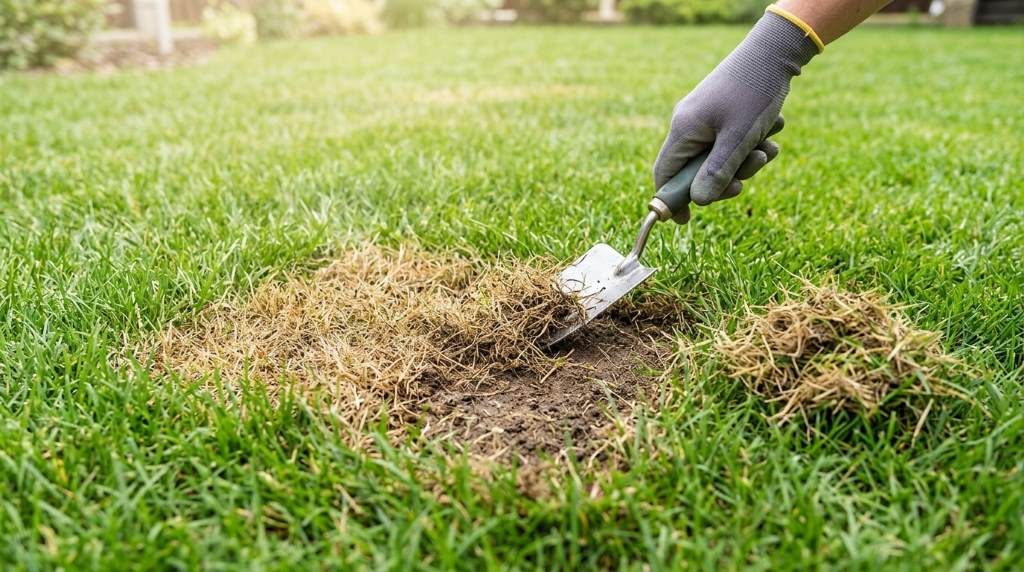
Aeration and overseeding are two powerful lawn care tips for rejuvenating your lawn and filling in bare or thin spots. Aeration involves removing small plugs of soil from your lawn to relieve compaction and improve the flow of air, water, and nutrients to the grassroots. This process is especially beneficial for lawns with heavy foot traffic or clay soil. Overseeding, on the other hand, involves spreading grass seed over your existing lawn to introduce new grass varieties and fill in bare spots. The best time to aerate and overseed is in the early fall or spring, when the soil is warm and moisture levels are ideal for seed germination. After aerating, spread a thin layer of compost or topsoil over the lawn to improve seed-to-soil contact. Then, water the lawn regularly to keep the soil moist until the new grass is established. These grass care techniques will help you achieve a thicker, healthier lawn.
Expert Tips for Year-Round Lawn Care
- Monitor Weather Conditions: Adjust your lawn care routine based on the weather. For example, reduce watering during rainy periods and increase it during droughts.
- Use Mulch: When mowing, use a mulching mower to return grass clippings to the lawn. This provides a natural source of nutrients and helps retain moisture.
- Avoid Heavy Traffic: Minimize foot traffic on your lawn, especially when the grass is wet or dormant. This prevents soil compaction and damage to the grass blades.
- Choose Native Grasses: If possible, opt for grass varieties that are native to your region. These grasses are better adapted to your local climate and soil conditions, requiring less water and maintenance.
- Stay Consistent: Consistency is key to maintaining a healthy lawn. Stick to a regular schedule for mowing, watering, fertilizing, and other lawn care tasks.
Real-Life Examples of Beautiful Lawns
The English Country Garden: English country gardens are known for their lush, green lawns that serve as the perfect backdrop for colorful flower beds and winding pathways. These lawns are typically maintained with regular mowing, aeration, and organic fertilizers, showcasing the timeless appeal of traditional lawn care tips.
The Modern Minimalist Lawn: Modern minimalist lawns focus on clean lines, simple designs, and low-maintenance grasses. These lawns often feature drought-tolerant grass varieties and smart irrigation systems, demonstrating the beauty of sustainable landscaping.
The Sports Field: Sports fields, such as those used for soccer or golf, require a high level of maintenance to withstand heavy use. These lawns are typically composed of durable grass varieties and are regularly aerated, fertilized, and overseeded to keep them in top condition. They serve as an example of how professional grass care techniques can be applied to residential lawns.
Reviews of Lawn Care Tools and Products
Husqvarna Automower: The Husqvarna Automower is a robotic lawn mower that takes the hassle out of mowing. It’s programmable, energy-efficient, and designed to navigate complex lawn layouts, making it a great investment for busy homeowners.
Scotts Turf Builder Lawn Food: Scotts Turf Builder is a popular fertilizer that provides a balanced mix of nitrogen, phosphorus, and potassium to promote thick, green grass. Its easy-to-use granular formula makes it a favorite among homeowners.
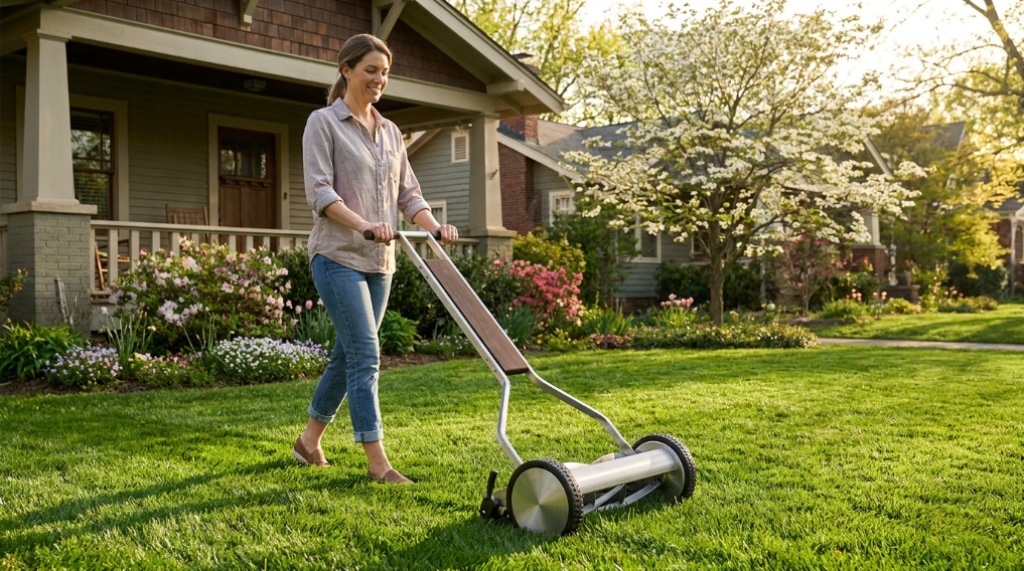
Fiskars StaySharp Max Reel Mower: The Fiskars StaySharp Max Reel Mower is a manual, eco-friendly alternative to gas-powered mowers. Its precision blades and adjustable cutting height make it ideal for small to medium-sized lawns.
FAQs About Maintaining a Healthy Green Lawn
What are the best lawn care tips for beginners?
The best lawn care tips for beginners include choosing the right grass type, testing and improving your soil, watering wisely, mowing correctly, and fertilizing for optimal growth. Consistency and proper technique are key to maintaining a healthy lawn.
How often should I water my lawn?
Water your lawn deeply and infrequently, providing about 1 to 1.5 inches of water per week, including rainfall. Water early in the morning to minimize evaporation and reduce the risk of fungal diseases.
What is the best grass type for my climate?
The best grass type for your climate depends on whether you live in a cool-season or warm-season region. Cool-season grasses like Kentucky Bluegrass thrive in colder climates, while warm-season grasses like Bermuda are better suited for hot, humid areas.
How do I control weeds in my lawn?
Control weeds by maintaining a thick, healthy lawn that outcompetes unwanted plants. For existing weeds, hand-pull or spot-treat with a natural herbicide. For larger infestations, use a pre-emergent herbicide in the early spring.
When is the best time to fertilize my lawn?
The best time to fertilize your lawn depends on the grass type and the season. In the spring, use a fertilizer with a higher nitrogen content. In the fall, opt for a fertilizer with a higher potassium content to strengthen the grass for the winter.
How do I aerate my lawn?
Aerate your lawn by removing small plugs of soil to relieve compaction and improve the flow of air, water, and nutrients to the grassroots. Use a manual or powered aerator, and follow up with overseeding and topsoil for best results.
What are some common lawn pests and how do I control them?
Common lawn pests include grubs, chinch bugs, and armyworms. Signs of pest damage include brown patches, wilting grass, or visible insects. Identify the culprit and choose an appropriate treatment, such as beneficial nematodes for grubs or insecticidal soap for soft-bodied pests.
Conclusion
Maintaining a healthy green lawn year-round is a rewarding endeavor that combines science, art, and a bit of elbow grease. By choosing the right grass type, testing and improving your soil, and following these lawn care tips, you can create a lawn that’s not only beautiful but also resilient and sustainable. Additionally, by adapting your grass care techniques to the changing seasons and addressing common issues like weeds and pests, you ensure your lawn remains vibrant and thriving. Remember, the key to success is consistency and a proactive approach. With these landscaping strategies and expert insights, you’re well on your way to cultivating a lawn that’s the envy of your neighborhood and a source of pride for your home, making it easier to maintain your lawn with long-term health and visual appeal in mind.
Call to Action
Ready to transform your lawn into a lush, green oasis? Start by assessing your grass type and soil, then implement the lawn care tips and strategies outlined in this guide. Share your success stories and favorite gardening advice in the comments below—let’s build a community of lawn enthusiasts who are passionate about creating beautiful, sustainable outdoor spaces. The path to a year-round green lawn begins with a single step, and there’s no better time to start than now!