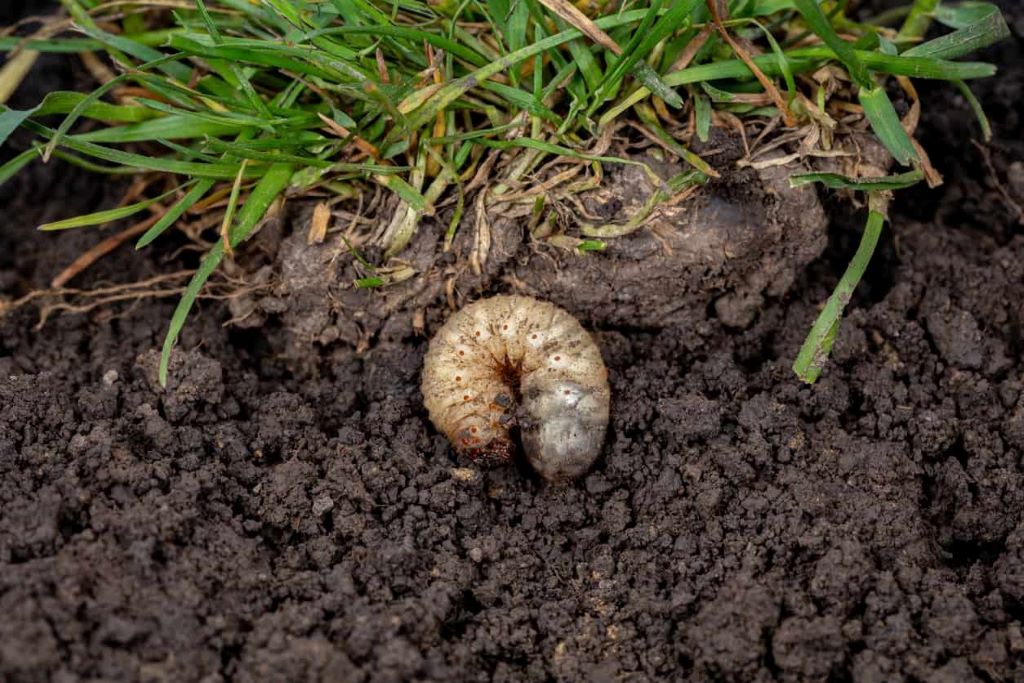

Grubs and lawn pests can transform your beautiful green space into a patchy, damaged landscape within weeks. These destructive creatures lurk beneath the surface, silently feeding on grass roots while you wonder why brown spots keep appearing. However, understanding these common lawn invaders empowers homeowners to take decisive action. This comprehensive guide reveals the telltale signs of pest infestations, proven treatment solutions, and prevention strategies that protect your investment. Additionally, you’ll discover when to tackle problems yourself versus calling professionals. Therefore, let’s explore everything you need to maintain a thriving, pest-free lawn that becomes the envy of your neighborhood.
Understanding Common Grubs and Lawn Pest Types
White grubs represent the most destructive lawn pests across North America. These C-shaped larvae belong to various beetle species, including Japanese beetles, June bugs, and European chafers. Furthermore, chinch bugs, billbugs, and sod webworms also cause significant damage to residential lawns.
Japanese beetle grubs feed aggressively on grass roots from late summer through early spring. Meanwhile, European chafer grubs prefer cool-season grasses and cause damage during fall months. Additionally, May beetles produce grubs that remain underground for up to three years, creating long-term problems for homeowners.
Understanding pest life cycles helps determine optimal treatment timing. Most grubs are most vulnerable during their early stages, typically occurring in late summer. However, different species emerge at varying times, requiring targeted approaches for effective control.
Identifying Clear Signs of Grub and Pest Damage
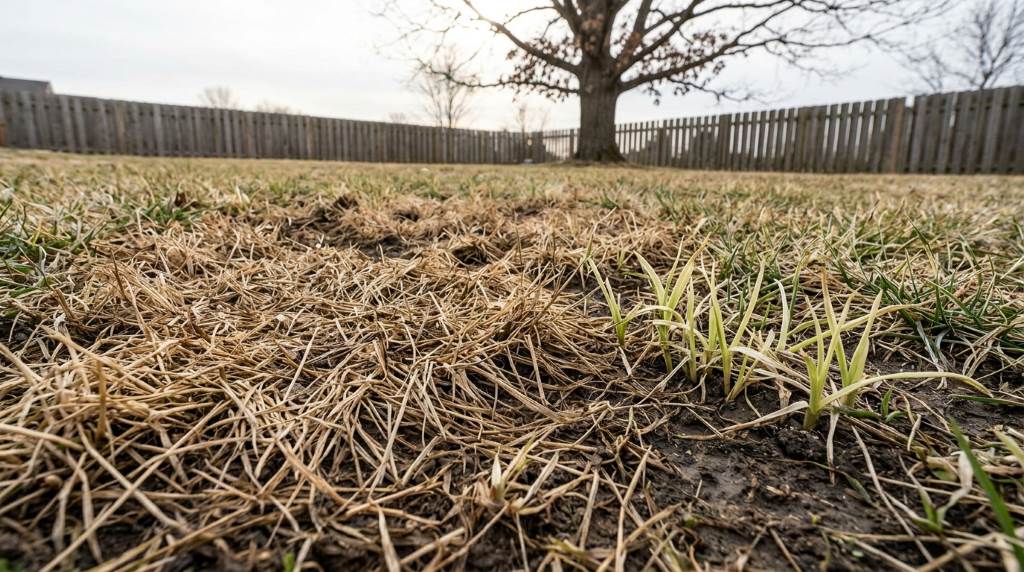
Brown patches scattered across your lawn often indicate grub activity beneath the surface. These dead areas typically appear irregular in shape and expand gradually over time. Moreover, damaged turf feels spongy underfoot and pulls up easily like loose carpet.
Wildlife activity provides another telltale sign of grub infestations. Birds, raccoons, and skunks dig small holes searching for these protein-rich larvae. Therefore, increased animal traffic suggests a substantial pest population exists underground.
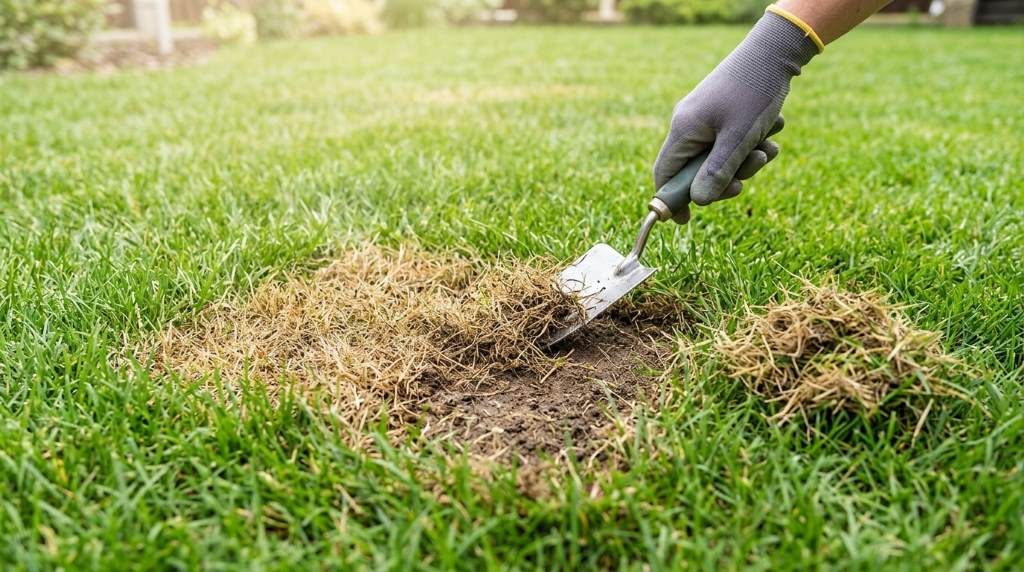
Conducting a simple grub test reveals the extent of infestation severity. Cut three sides of a 12-inch square section and fold back the turf. Count the grubs visible in the soil beneath. Generally, finding more than five grubs per square foot indicates treatment necessity.
Effective Solutions for Controlling Grub Populations
Chemical treatments offer the most reliable control for severe grub infestations. Imidacloprid and chlorantraniliprole provide excellent preventive control when applied during late spring. However, curative treatments work best during early fall when grubs are actively feeding.
Beneficial nematodes present an organic alternative for environmentally conscious homeowners. These microscopic roundworms attack grub larvae naturally without harming beneficial insects. Additionally, they remain active in soil for extended periods, providing ongoing protection.
Professional pest control services become necessary for widespread infestations covering large lawn areas. Certified technicians possess specialized equipment and knowledge for treating challenging cases. Furthermore, they can identify specific pest species and recommend targeted treatment approaches.

Natural Prevention Strategies That Actually Work
Maintaining healthy soil creates an environment less favorable to pest establishment. Regular aeration improves drainage and reduces compaction that grubs prefer. Moreover, proper fertilization strengthens grass roots, making them more resistant to pest damage.
Beneficial insects like ground beetles and parasitic wasps naturally control grub populations. Planting diverse flowering plants around lawn perimeters attracts these helpful predators. Therefore, avoiding broad-spectrum pesticides preserves natural pest control systems.
Timing irrigation properly reduces conditions favorable to pest development. Overwatering creates ideal breeding environments for many lawn pests. However, deep, infrequent watering encourages strong root systems that withstand pest pressure better.
Seasonal Lawn Care Schedule for Pest Prevention
Spring maintenance focuses on repairing winter damage and preparing for growing season challenges. Apply pre-emergent herbicides during early spring to prevent annual weeds. Additionally, overseed thin areas before pests establish territories in weak spots.
Summer care emphasizes maintaining grass health during peak stress periods. Monitor irrigation needs carefully, as stressed lawns become more susceptible to pest attacks. Furthermore, avoid heavy fertilization during hot weather, which can attract certain pest species.
Fall represents the optimal time for grub control applications and lawn renovations. Cool temperatures allow grass recovery while reducing pest pressure. Moreover, this season provides the last opportunity for preventive treatments before winter dormancy.
When Professional Pest Control Services Become Necessary
Widespread damage covering more than 30 percent of lawn area typically requires professional intervention. DIY treatments often prove insufficient for large-scale infestations spanning multiple property areas. Additionally, repeated treatment failures indicate the need for expert assessment and solutions.
Identifying specific pest species accurately requires professional expertise in many cases. Different pests respond to different treatment approaches and timing strategies. Therefore, misidentification can lead to ineffective treatments and continued damage.
According to the University of Minnesota Extension, professional treatments achieve 85-95 percent control rates compared to 60-75 percent for homeowner applications. This significant difference often justifies the additional cost for severe infestations.
Cost-Effective DIY Treatment Options and Application Tips
Granular insecticides offer convenient application methods for homeowner use. Spread products evenly using a calibrated spreader for consistent coverage. However, proper watering after application ensures active ingredients reach target pests in soil.
Liquid treatments provide faster initial knockdown of surface-feeding pests like chinch bugs. Mix products according to label directions and apply during calm weather conditions. Moreover, timing applications during early morning or evening reduces beneficial insect exposure.
Soil amendments like diatomaceous earth provide long-term pest suppression naturally. This organic option works slowly but remains effective throughout the growing season. Additionally, it improves soil structure while controlling pest populations simultaneously.
Common Mistakes Homeowners Make Fighting Lawn Pests
Applying treatments at the wrong times reduces effectiveness significantly and wastes money. Many homeowners treat during peak summer when grubs are least vulnerable to control measures. Therefore, understanding pest life cycles is crucial for treatment success.
Over-application of chemical treatments can damage grass and beneficial soil organisms. Following label directions exactly prevents environmental harm and ensures optimal results. Additionally, more product does not equal better control in most situations.
Ignoring underlying lawn health issues allows pest problems to return repeatedly. Poor drainage, compaction, and nutrient deficiencies create conditions favoring pest establishment. However, addressing these root causes provides long-term prevention benefits.
Long-Term Lawn Health Strategies Beyond Pest Control
Soil testing reveals nutrient deficiencies and pH imbalances affecting grass health. Correcting these issues strengthens turf naturally, reducing pest susceptibility over time. Moreover, healthy soil supports beneficial microorganisms that compete with harmful pests.
Selecting appropriate grass varieties for your climate reduces maintenance requirements and pest pressure. Native grasses typically require fewer inputs while providing superior pest resistance. Additionally, diverse grass mixtures create more resilient lawn ecosystems naturally.
Regular maintenance practices like proper mowing height and frequency prevent stress conditions. Taller grass develops deeper root systems that withstand pest damage better. Furthermore, sharp mower blades create clean cuts that heal quickly, reducing disease susceptibility.
Conclusion
Grubs and lawn pests pose significant challenges for homeowners seeking beautiful, healthy landscapes. However, early identification and prompt action prevent minor problems from becoming major disasters. Understanding pest life cycles, implementing proven treatment strategies, and maintaining optimal lawn health create comprehensive protection systems. Additionally, combining chemical controls with natural prevention methods provides sustainable, long-term solutions. Therefore, investing time in proper lawn care practices pays dividends through reduced pest pressure and improved grass quality. Remember that consistency in maintenance and monitoring remains key to preventing future infestations and maintaining your lawn’s beauty year after year.
Frequently Asked Questions
What time of year should I treat my lawn for grubs?
Late spring to early summer provides optimal timing for preventive grub treatments. Apply treatments during May through July when adult beetles are laying eggs but before grubs hatch and begin feeding.
How do I know if my brown lawn spots are caused by grubs or disease?
Grub damage creates irregular brown patches that feel spongy and pull up easily like carpet. Disease damage typically appears in circular patterns with distinct borders and doesn’t affect root attachment to soil.
Can beneficial nematodes harm my pets or children?
Beneficial nematodes are completely safe for humans, pets, and beneficial insects. These microscopic organisms only target specific pest species and occur naturally in healthy soil environments.
How long does it take to see results from grub treatments?
Chemical treatments typically show results within 2-3 weeks of application. Natural treatments like beneficial nematodes may take 4-6 weeks to demonstrate noticeable grub population reduction.
Should I water my lawn after applying grub control products?
Yes, most grub control products require watering immediately after application. This helps move active ingredients into the soil where grubs feed and ensures proper product activation.
Read More: