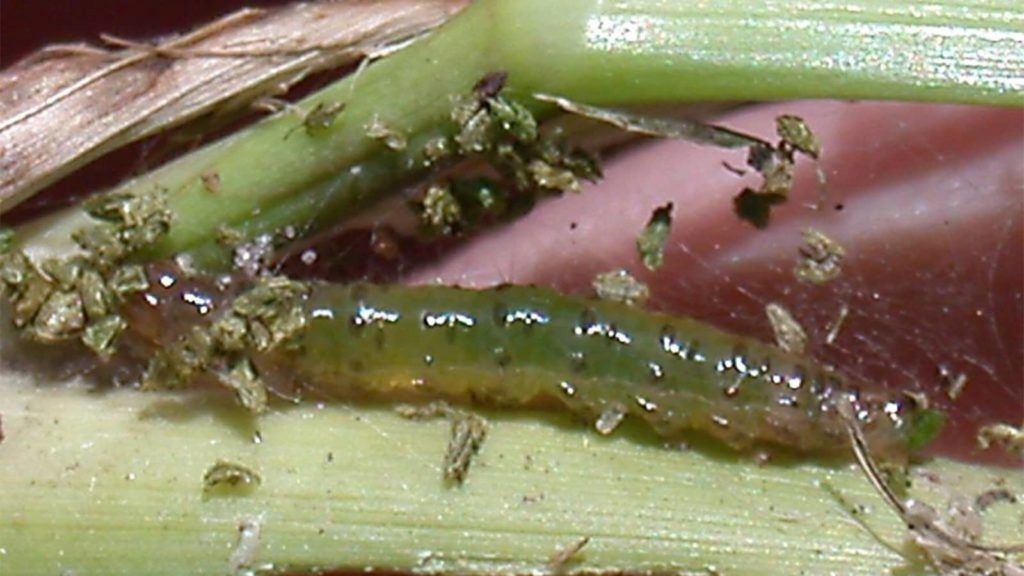

A lush, green lawn is a homeowner’s pride, but lawn-destroying insects can turn it into a patchy nightmare. These pests, like grubs and chinch bugs, often work silently, causing damage before you notice. Spotting them early saves time, money, and your yard’s beauty. This guide will educate you on identifying these insects, demonstrate practical steps to detect them, and fascinate you with insights into their sneaky behaviors. With tips grounded in research and personal experience, you’ll learn how to protect your lawn. Let’s dive into spotting these culprits before it’s too late and keep your grass thriving.
Understanding Common Lawn-Destroying Insects and Their Damage
Lawn-destroying insects vary by region, but some culprits are widespread. Grubs, chinch bugs, sod webworms, and armyworms are among the most damaging. Grubs, the larvae of beetles, chew grass roots, causing brown patches. Chinch bugs suck plant juices, leaving yellowed, wilted grass. According to a 2023 study by the University of Florida, chinch bugs cause over $100 million in lawn damage annually in the U.S. Recognizing their signs early is crucial.
Each pest leaves distinct clues. Grubs create spongy turf that pulls up easily, while sod webworms leave small, irregular brown spots. Armyworms, active at night, can strip lawns overnight. My own lawn once suffered from grubs; I noticed wilting grass despite regular watering, which led me to dig and find the culprits. Knowing these pests’ habits helps you act fast and prevent widespread lawn damage.
Identifying Early Signs of Insect Infestation in Your Lawn
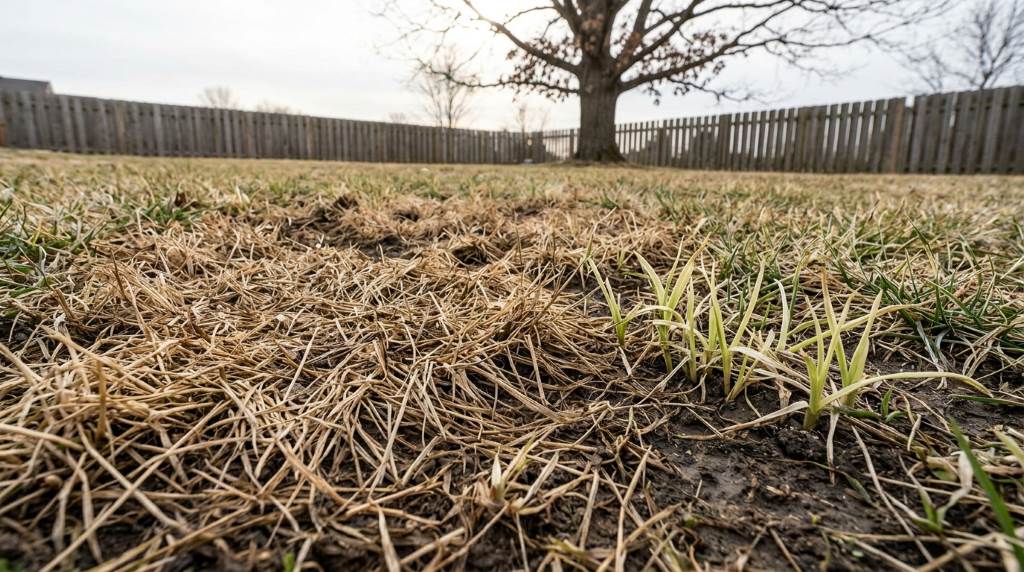
Spotting early signs of lawn-destroying insects requires vigilance. Look for yellowing or browning patches, especially in summer when pests thrive. Uneven grass growth or areas that feel soft underfoot often indicate root damage from grubs. Small moths fluttering at dusk may signal sod webworms. Additionally, birds or raccoons digging in your yard could mean they’re hunting for grubs. A 2021 USDA report notes that 60% of lawn damage cases involve undetected insect activity.
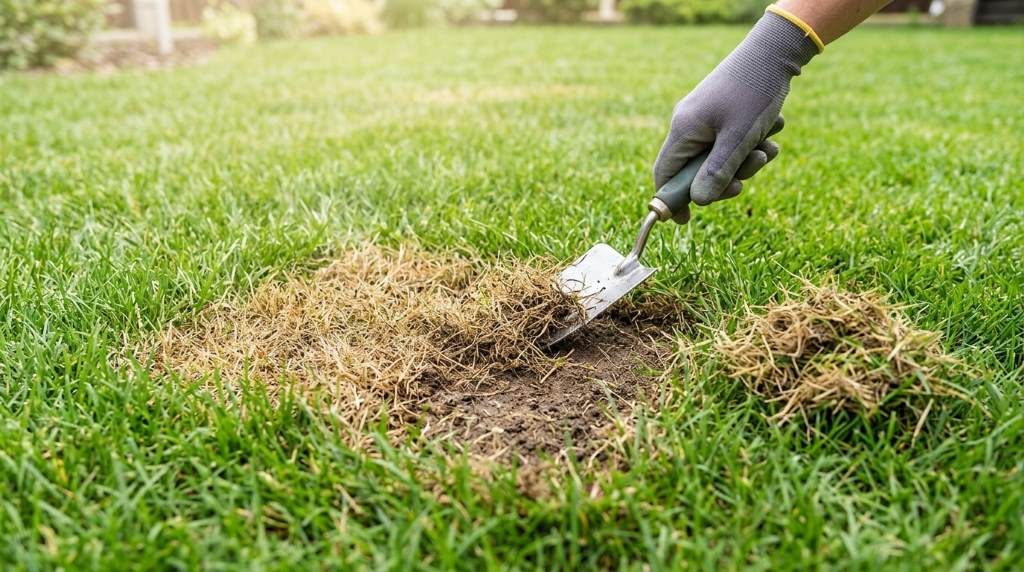
To confirm an infestation, inspect your lawn closely. Pull up affected grass; if it lifts like a carpet, grubs are likely present. Check for tiny holes or silk trails for webworms. My neighbor ignored early browning, only to lose half their lawn to chinch bugs. Regular checks, especially in warm months, catch these pests before they destroy your yard.
Practical Steps to Inspect Your Lawn for Hidden Pests
Inspecting your lawn for pests is straightforward with the right approach. Start by walking your yard weekly, focusing on discolored areas. Use a shovel to dig 4-6 inches deep in suspected spots to check for grubs or larvae. For chinch bugs, try the “float test”: cut both ends of a coffee can, push it into the soil, fill with water, and wait 10 minutes. Bugs will float to the surface.
Alternatively, peel back sod to look for crawling insects or silk trails. Check at dawn or dusk when pests are active. I once used the float test and was shocked to see dozens of chinch bugs surface. Document findings with photos to track patterns. These steps, done regularly, help you catch lawn-destroying insects early and prevent costly damage.
Tips for Effective Lawn Inspections
- Check weekly: Regular inspections catch pests before they spread.
- Focus on edges: Pests often start at lawn borders.
- Use tools: A magnifying glass helps spot tiny insects.
- Test at dusk: Many pests are active in low light.
- Record findings: Photos track damage over time.
Natural and Safe Methods to Control Lawn-Destroying Insects
Controlling lawn-destroying insects doesn’t always mean harsh chemicals. Natural methods can be effective and eco-friendly. Introduce beneficial nematodes, microscopic worms that attack grubs, available at garden centers. Milky spore, a bacteria-based treatment, targets beetle larvae safely. Watering deeply but infrequently strengthens grass, making it less appealing to pests like chinch bugs.
Another option is diatomaceous earth, a powder that dehydrates insects. Spread it lightly on affected areas. I tried nematodes in my yard, and within weeks, grub numbers dropped noticeably. However, these methods require patience and consistent application. Always follow product instructions to avoid harming beneficial insects like pollinators. Combining these with regular inspections keeps your lawn healthy without risking the environment.
Common Mistakes to Avoid When Dealing with Lawn Pests
Missteps in handling lawn-destroying insects can worsen damage. One common error is overwatering, which attracts grubs and weakens grass. Another is ignoring early signs, like small brown patches, assuming they’ll resolve naturally. Using broad-spectrum pesticides without identifying the pest can kill beneficial insects, disrupting your lawn’s ecosystem.
Additionally, applying treatments at the wrong time, like during heavy rain, reduces effectiveness. I once sprayed pesticide before a storm, washing it away and wasting money. Always confirm the pest type before treating, and follow seasonal guidelines—grubs, for example, are most vulnerable in late summer. Avoid these pitfalls to protect your lawn efficiently and save resources.
Mistakes to Avoid
- Overwatering: Attracts pests and weakens grass.
- Ignoring signs: Small patches can signal bigger issues.
- Wrong timing: Apply treatments in optimal seasons.
- Broad pesticides: Harm beneficial insects unnecessarily.
- Skipping identification: Know the pest before treating.
Fascinating Facts About Lawn-Destroying Insects’ Behaviors
Lawn-destroying insects are surprisingly clever. Grubs, for instance, burrow deeper in cold weather to survive, resurfacing in spring to feed. Chinch bugs release a chemical to attract mates, rapidly increasing their numbers. Sod webworms create silk tunnels to hide from predators, making them hard to spot. These behaviors explain why early detection is challenging yet critical.
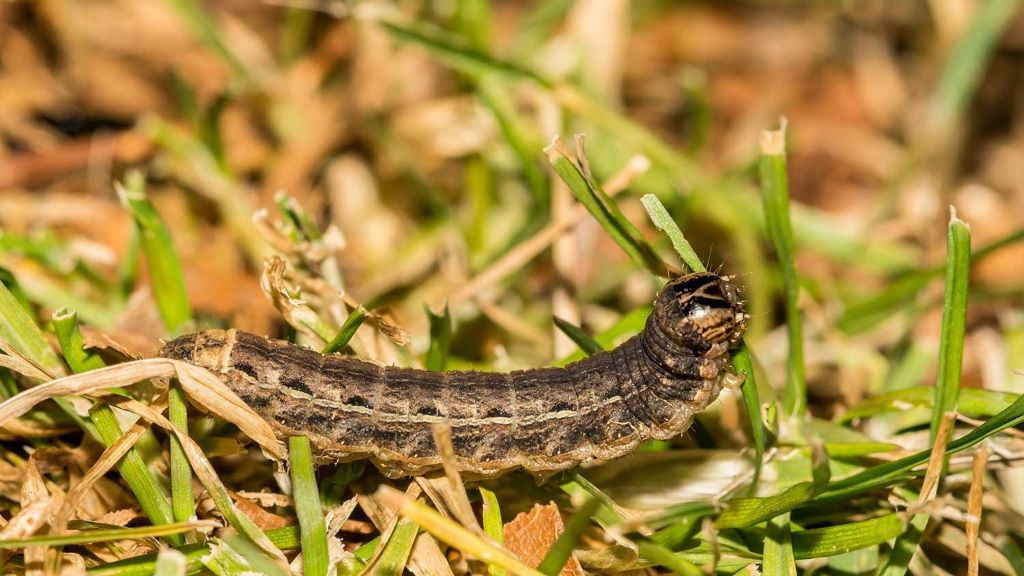
Some pests, like armyworms, can migrate in groups, devouring entire lawns in days. Their nocturnal habits add to their stealth. I was amazed when I caught armyworms munching on my grass at midnight during a flashlight check. Understanding these traits fascinates and empowers you to outsmart these pests, ensuring your lawn stays vibrant and healthy.
When to Call a Professional for Lawn Insect Issues
Sometimes, lawn-destroying insects overwhelm DIY efforts. If brown patches spread rapidly or you find hundreds of pests in inspections, it’s time for professional help. Experts can identify pests accurately and use targeted treatments unavailable to homeowners. They also have tools to assess soil health, which impacts pest activity.
However, professionals can be costly, so reserve them for severe cases. I called one when grubs persisted despite my efforts, and their treatment saved my lawn. Before hiring, check credentials and ask for eco-friendly options. Acting early, even with professionals, prevents total lawn loss and keeps your yard looking its best.
Conclusion
Keeping your lawn free from lawn-destroying insects requires attention and timely action. By understanding pests like grubs and chinch bugs, spotting early signs, and using natural controls, you can save your grass from ruin. Regular inspections and avoiding common mistakes ensure long-term lawn health. My own battles with pests taught me the value of persistence. Don’t let these sneaky invaders win—act now to maintain a vibrant lawn. Share your pest-fighting tips in the comments or spread this guide to help others protect their yards!
FAQs
What are the most common lawn-destroying insects?
Grubs, chinch bugs, sod webworms, and armyworms are the primary culprits damaging lawns.
How can I tell if my lawn has an insect problem?
Look for yellowing patches, spongy turf, or small holes. Inspect soil for larvae or bugs.
Are natural pest control methods effective for lawns?
Yes, nematodes and milky spore effectively target pests like grubs without harming the environment.
When should I inspect my lawn for pests?
Weekly checks, especially in summer, help catch pests early. Inspect at dusk for active insects.
When is it time to hire a professional for lawn pests?
Call professionals if infestations spread rapidly or DIY treatments fail to control the problem.
Related Topics: