

Picture your lush green lawn suddenly dotted with ugly brown patches. You scratch your head, wondering what went wrong. Lawn fungus often sneaks in, but people frequently misdiagnose it as something else. This error wastes time and money on useless fixes. Instead, correct identification saves your yard. According to the University of Maryland Extension, fungal diseases like Pythium blight thrive in wet conditions, affecting many home lawns each year. Moreover, a 2020 report from Natural Green Lawn and Pest noted that 80 percent of lawns in Central and Southern Maryland face turf diseases in summer. These issues spike with humid weather. However, proper knowledge prevents bigger problems. This article guides you through common mistakes and smart solutions.
What Is Lawn Fungus?
Lawn fungus refers to various fungal pathogens that attack grass. These organisms live in soil and thrive under certain conditions. Warm temperatures and moisture fuel their growth. Fungi spread through spores carried by wind or water. They infect roots, blades, or crowns of grass plants. Once established, they cause visible damage. Homeowners often overlook early signs. Yet, fungi differ from bacteria or viruses. They reproduce quickly in favorable environments. Researchers at Purdue University emphasize that common diseases like brown patch stem from these pathogens. Understanding these basics helps spot issues fast. Additionally, fungi play roles in nature,e but harm manicured lawns.
Different fungi target specific grass types. Cool-season grasses like Kentucky bluegrass suffer more in spring and fall. Warm-season varieties face risks in summer. Environmental stress weakens grass defenses. Over time, untreated fungus kills large areas. Professionals use lab tests for confirmation. But you can start with visual checks. Always consider weather patterns too. Recent rains often trigger outbreaks. Furthermore, soil pH influences susceptibility. Neutral soils reduce risks. Grasping these factors builds your diagnostic skills.
Common Types of Lawn Fungus
Several fungi plague lawns across regions. Brown patch stands out as a frequent offender. Caused by Rhizoctonia solani, it creates circular dead zones. These patches expand in hot, humid weather. Dollar spot follows closely. Clarireedia jacksonii triggers small, coin-sized lesions. Low nitrogen levels encourage this one. Red thread appears as pinkish webs on blades. Laetisaria fuciformis loves cool, moist springs. Pythium blight strikes fast in saturated soils. It turns grass slimy and dark. Snow mold hits northern areas after winter thaws. Microdochium nivale forms gray or pink rings.
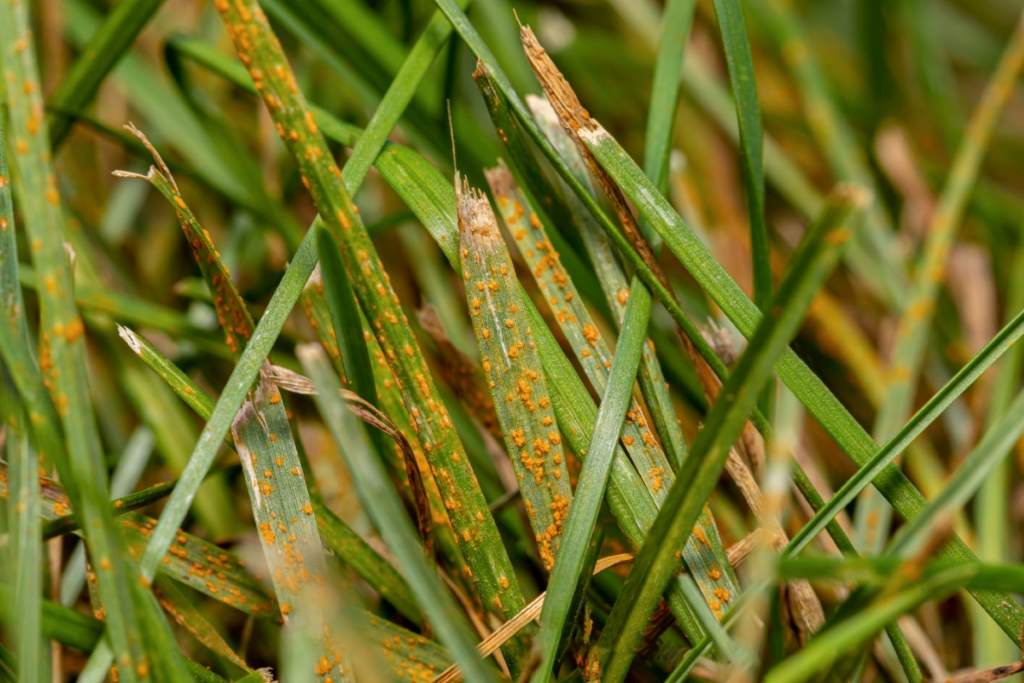
Leaf spot and melting-out come from Bipolaris and Drechslera species. They cause purplish spots that lead to dieback. Fairy rings form arcs of dark green grass with mushrooms. Basidiomycetes fungi create these. Necrotic ring spot targets roots in cool seasons. Ophiosphaerella korrae burrows deep. Rust diseases show orange pustules on leaves. Puccinia species spread via wind. Anthracnose affects putting greens but hits lawns too. Colletotrichum cereale worsens with stress. Each type has unique traits. Recognizing them prevents confusion with other problems.
Recent 2025 studies from Penn State University highlight fungicide impacts. Some treatments suppress diseases but harm grass. This underscores careful selection. Moreover, Iowa State Extension reports increased fungal spread in humid 2025 summers. Warm rains boosted Pythium and brown patch cases. Homeowners in the Southeast see more large patch fungus. Zoysia and St. Augustine grasses suffer most. Knowing regional patterns aids early detection. Plus, hybrid grasses resist better. Plant breeders develop varieties with built-in defenses.
Signs and Symptoms of Lawn Fungus
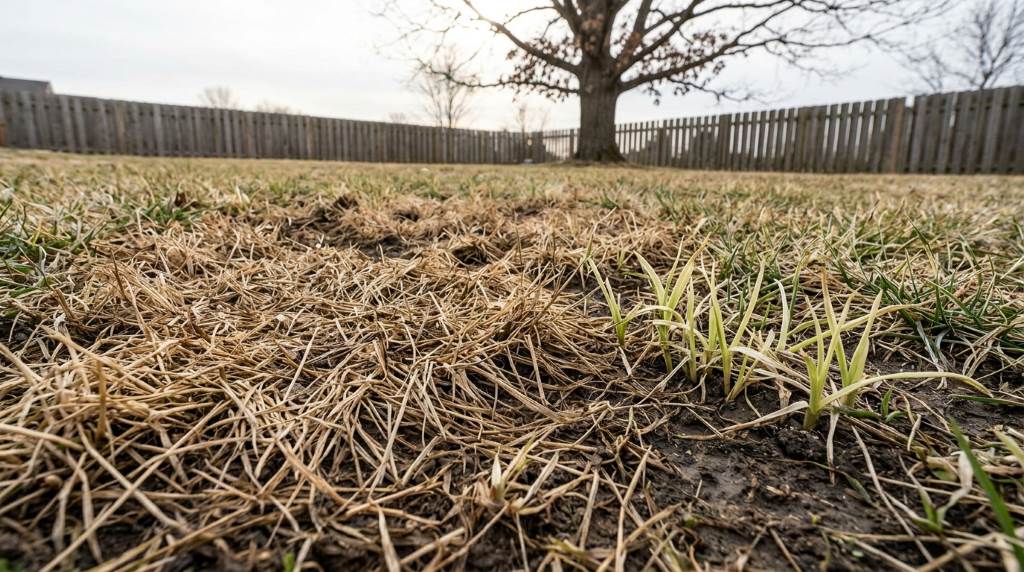
Spotting fungus starts with visual cues. Circular patches often signal brown patch or dollar spot. These range from inches to feet wide. Grass inside turns brown or yellow. Borders sometimes show smoke rings of dark growth. Fuzzy white mycelium appears in the mornings. This web-like structure confirms fungal activity. Slimy textures point to Pythium. Affected areas smell fishy too. Reddish threads weave through blades in red thread cases. Mushrooms pop up in fairy rings overnight.
Discolored lesions mark leaf spot diseases. Purple or black spots dot blades. Severe cases cause thinning crowns. Rust pustules burst open, releasing spores. Orange powder rubs off easily. Wilting despite watering hints at root infections. Pull up grass to check blackened roots. Uneven growth patterns emerge. Healthy areas contrast sharply with damaged ones. Morning dew reveals more symptoms. High humidity amplifies visibility. Additionally, seasonal timing matters. Spring brings snow mold rings after melt.
Monitor for progression. Small spots grow rapidly in ideal conditions. Untreated areas merge into large dead zones. Grass pulls up easily from the soil. This indicates root rot. Compare symptoms across lawn sections. Shaded spots often worsen first. Poor drainage exacerbates issues. Use a magnifying glass for close inspection. Tiny spores become visible. Document changes over days. Photos help track spread. Furthermore, note weather correlations. Rainy spells precede outbreaks.
Why Misdiagnosis Happens
Homeowners rush to conclusions without full checks. Limited knowledge plays a big role. Many confuse similar symptoms. Drought stress mimics fungal browning. Insect damage creates irregular patterns too. Nutrient deficiencies cause yellowing like rust. Mowing habits contribute to confusion. Dull blades tear grass, inviting infections. Overwatering masks true causes. People apply wrong treatments first. This delays recovery. Professionals note frequent errors in samples. Labs reveal surprises often.
Weather fluctuations add tricks. Sudden heat stresses grass similarly. Soil compaction hides root issues. New homeowners inherit problems unknowingly. Online advice varies widely. Some sources oversimplify. Visual guides help but lack depth. Experience builds accuracy over time. Beginners miss subtle differences. Moreover, regional variations confuse transplants. Northern fungi differ from southern ones. Stress from traffic or pets complicates matters. Always consider multiple factors. Hasty decisions lead to repeated mistakes.
Recent trends show increased misdiagnoses in 2025. Humid summers fooled many into thinking drought caused issues. Extension services report more calls. Education gaps persist despite resources. Hands-on workshops improve skills. Yet, busy schedules limit participation. Self-reliance pushes quick fixes. But patience pays off. Thorough observation trumps assumptions. Additionally, tool availability helps. Simple kits test for fungi at home.
Top Misdiagnosis Mistakes
Everyone makes errors, but learning from them saves lawns. Common pitfalls trap even seasoned gardeners. Let’s break them down.
Mistaking Fungus for Drought Stress
Brown patches scream drought to many. Grass wilts and turns tan. You water more, but problems persist. Fungus thrives in moist soils, though. Overwatering worsens it. Check soil moisture deeply. Probe with a screwdriver. Dry topsoil hides wet roots. Fungal rings lack in true drought. Pull blades; fungal ones detach easily. Drought affects entire areas uniformly. Fungus creates defined shapes. Recent rains clue you in. Dry spells rarely follow outbreaks.
Case studies illustrate this. A Midwest homeowner flooded their yard thinking drought hit. Brown patch exploded instead. Experts advise waiting 24 hours post-rain for checks. Moreover, aerate soil for better drainage. This prevents confusion. Monitor weather apps closely. Patterns reveal truths. Always test multiple spots.
Confusing with Insect Damage
Chinch bugs suck sap, yellowing grass. Grubs eat roots, causing wilt. You spot holes and blame pests. Fungus lacks entry points,s though. Inspect for bugs directly. Float test reveals grubs. Soapy water flushes surface insects. Fungal mycelium absent in pest cases. Damage spreads differently too. Insects create irregular patches. Fungus forms circles or arcs. Timing differs; bugs peak in summer heat.
Florida researchers note frequent chinch bug mix-ups with take-all root rot. Both hit St. Augustine grass. Pull tests distinguish them. Rotten roots signal fungus. Healthy ones point to bugs. Additionally, beneficial nematodes control pests without harming grass. Avoid broad sprays that kill helpers.
Mixing Up with Nutrient Deficiencies
Yellow blades suggest nitrogen lack. You fertilize heavily. But rust fungus causes similar orange hues. Test soil pH and nutrients first. Kits show imbalances. Fungus ignores added food. Symptoms persist despite feeds. Leaf spots don’t fade with iron supplements. Deficiencies affect whole lawns. Fungus targets spots.
Ohio State Extension highlights iron chlorosis confusion. Both have yellow veins. But fungus adds pustules. Sample labs confirm. Balanced feeds prevent both. However, over-fertilizing invites fungus. Moderation keys success.
Overlooking Mowing and Maintenance Issues
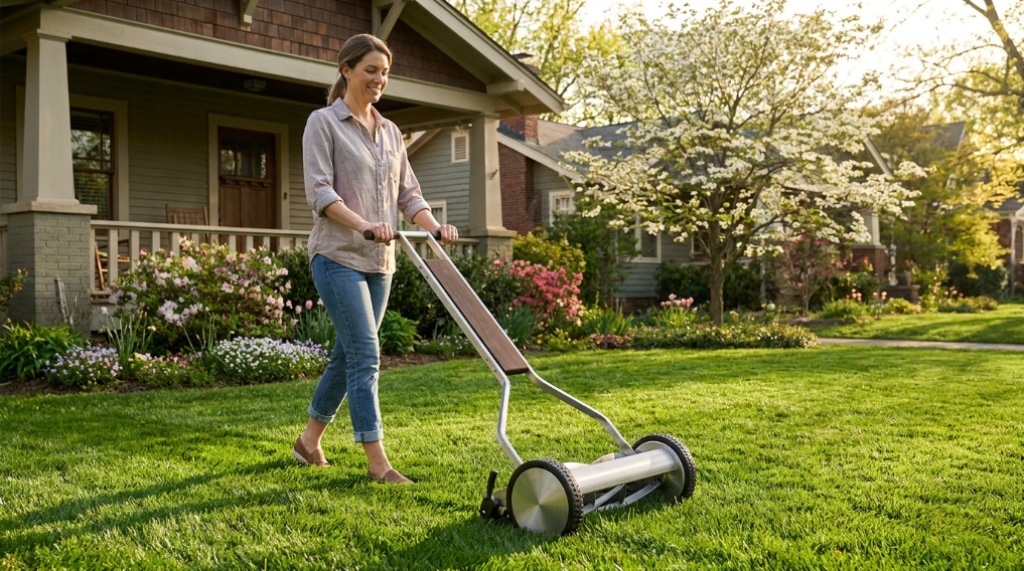
Torn blades from dull mowers invite fungus. You blame disease fully. Shortcuts stress grass too. Raise blades for health. Clean clippings prevent spread. Fungus loves debris piles. Scalping exposes crowns to pathogens.
Wisconsin Horticulture advises weekly sharpenings. This reduces entry points. Moreover, vary patterns to avoid ruts.
Assuming Weather Alone Causes Problems
Storms bring wet conditions. You think temporary. But fungus lingers. Monitor post-rain. Persistent patches need action.
2025 Iowa reports show weather-driven spikes. Yet, underlying issues amplify.
How to Correctly Diagnose Lawn Fungus
Start with observation. Walk your lawn daily. Note changes in color and texture. Take photos for comparison. Use a journal to track weather and activities. This builds patterns over time.
Gather tools next. A magnifying glass spots mycelium. Soil probes check moisture. pH meters reveal acidity. Home fungus kits offer quick tests. Send samples to extension labs for pros. They identify specific pathogens accurately.
Follow steps systematically. Isolate affected areas first. Mark boundaries with flags. Pull samples carefully. Examine roots and blades closely. Compare with healthy sections. Research symptoms online from reliable sources. University extensions provide guides.
Consult experts when unsure. Local nurseries offer advice. Certified arborists diagnose professionally. Join community forums for shared experiences. However, verify info with science.
Recent 2025 Purdue tips emphasize early spring checks. Preventive scouts catch issues before spread. Additionally, use apps for symptom matching.
Prevention Strategies
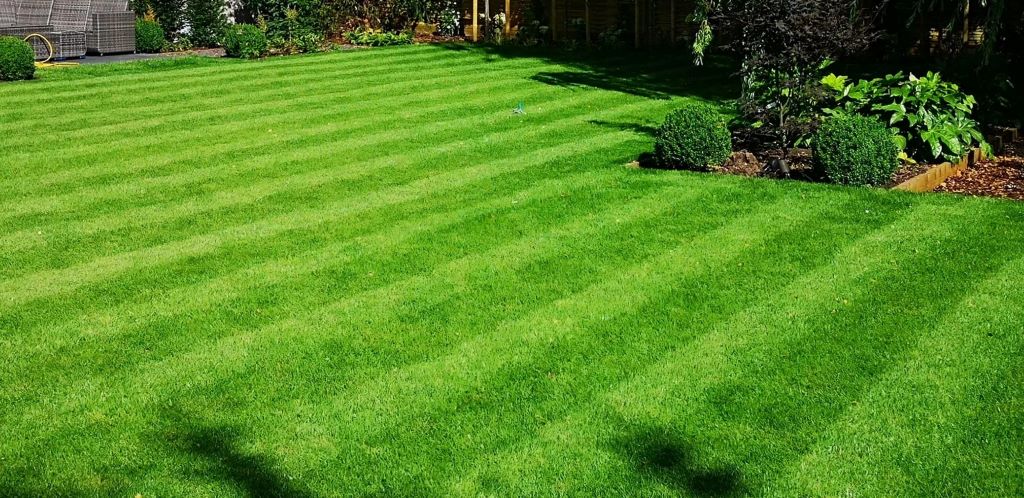
Strong lawns resist fungus best. Choose resistant grass varieties. Kentucky bluegrass hybrids fight rust well. Plant in full sun where possible. Shade breeds moisture. Aerate annually for airflow. This reduces compaction.
Water wisely in the mornings. Deep, infrequent sessions build roots. Avoid evenings to prevent overnight wet. Mow at proper heights. Cool-season grasses need 3 inches. Remove thatch buildup. Dethatchers clear debris.
Fertilize balanced. Spring and fall applications suffice. Test soil to guide amounts. Promote beneficial microbes. Compost teas boost soil health. Rotate practices yearly.
2025 UGA research stresses dollar spot prevention. Early fungicide if needed, but cultural first.
Treatment Options
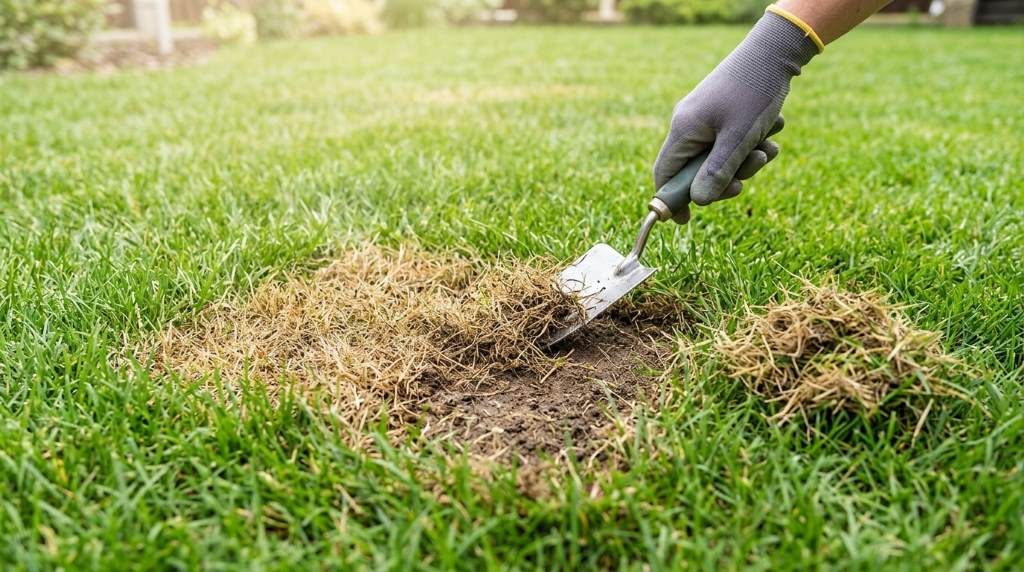
Act fast on confirmed fungus. Remove affected sod in small areas. Rake debris away. Apply targeted fungicides. Azoles work on brown patch. Follow labels strictly.
Reseed bare spots with resistant seed. Water lightly until established. Monitor recovery weekly. Adjust care as needed.
Natural options include neem oil sprays. They suppress spores. Baking soda mixes help mildly. However, severe cases need pros.
Penn State 2025 studies warn against fungicide overuse. Rotate types to avoid resistance.
Conclusion
Lawn fungus misdiagnosis wastes effort and harms grass. Common mistakes include confusing it with drought, insects, or nutrients. Correct diagnosis involves observation and tests. Prevention through smart care keeps yards healthy. Treatments fix issues when caught early. Now, grab your tools and inspect your lawn today. Spot problems before they spread.
FAQs
What Are the First Signs of Lawn Fungus?
Early signs include small discolored patches. Grass blades show spots or wilting. Mycelium appears in dew.
How Can I Tell Fungus Apart from Drought?
Fungus forms defined shapes with fuzzy growth. Drought affects uniformly without mycelium. Check soil moisture deeply.
Do All Lawns Get Fungus?
Not all, but many do in humid areas. Proper care reduces risks. 80 percent in some regions face issues yearly.
When Should I Call a Professional for Diagnosis?
Call when home tests fail. Large areas or persistent problems need experts. Labs provide accurate IDs.
Can Fungus Spread to Other Plants?
Yes, spores travel via wind or tools. Clean equipment after use. Isolate affected zones quickly.